We have parted ways with our Road Scholar group and I am back in charge. In self-assessing my behavior in the Road Scholar group, I felt I was pretty low maintenance and easy-going. At least until Mayra bought herself a new sweater in Lugo, Spain. I had already determined, based on our first six days of travel, that Mayra and I have a similar dressing style – to wit: all black with a splash of pink or red or yellow via way of a scarf or shirttail, and so I was already keeping my eye on her wardrobe. But she showed up after lunch in Lugo with this sweater, and I was immediately in love:
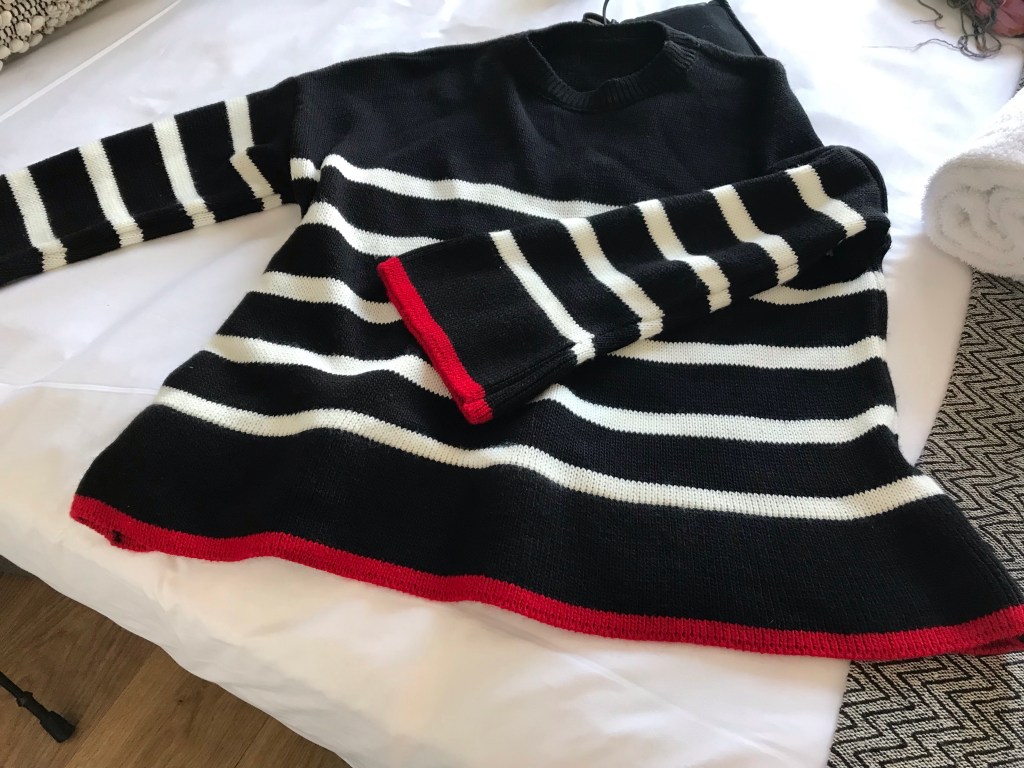
I failed to tell Mayra exactly how smitten I was until we had moved on to Leon, 24 hours and 227 km later, and Mayra, dedicated Road Scholar guide, offered to contact the store in Lugo, try to get me one, and have it shipped to my hotel in Barcelona. This is exactly the kind of reason it is easier to travel Europe with a guide vs. on our own!
In the end, though, the store could not ship the sweater to my hotel in Barcelona fast enough and therefore, in further evidence of how helpful a tour guide is, Mayra let me have the actual sweater off her back, and then she ordered herself another one. Thank you, Mayra!
And so now, on our train to Barcelona, we are hauling along the black sweater, three new sweatshirts, one t-shirt, one umbrella, the Birkenstocks, the LaCoste sock set, a container of Body Shop Banana Conditioner that I love, and a cap. Ron has already announced that he will be buying – at a minimum – one more sweatshirt in Barcelona. Whether or not this creates a luggage crisis remains to be seen.
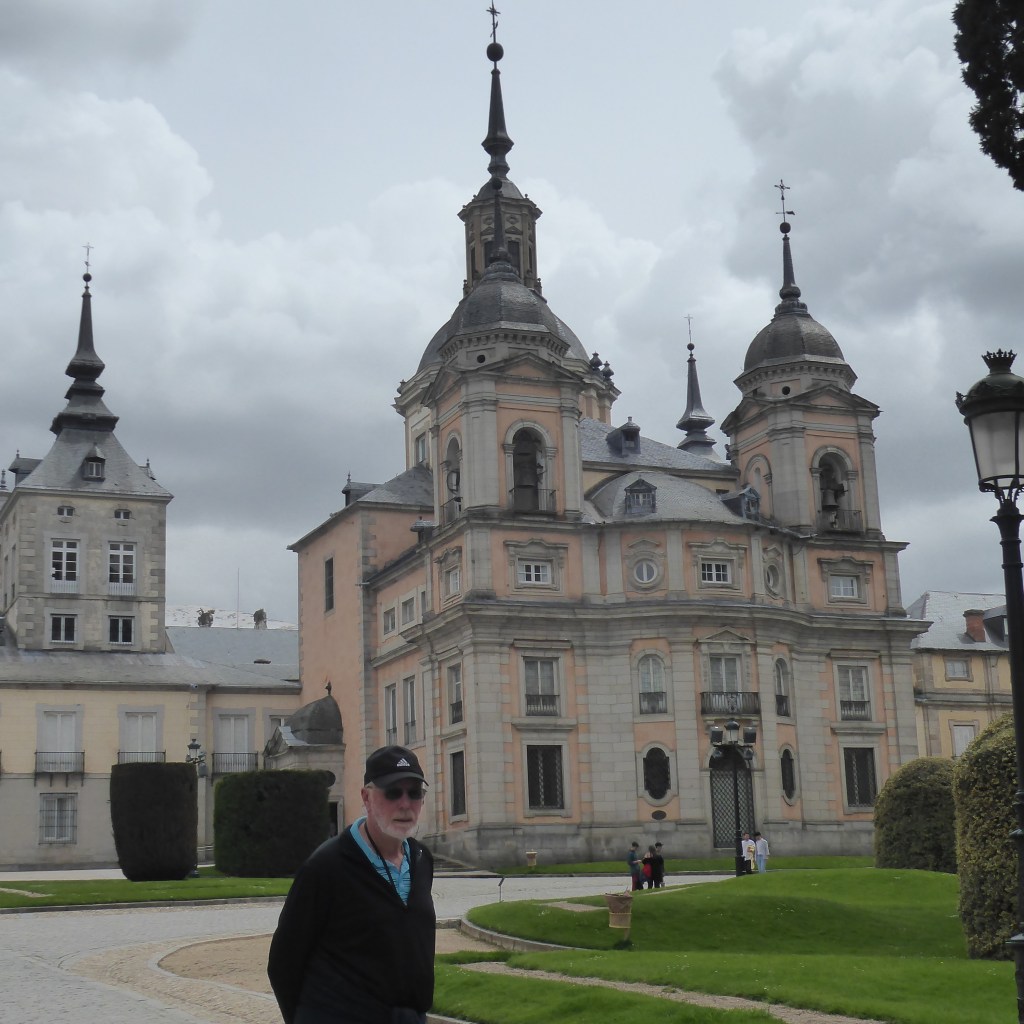
We spent our last tour day checking out Segovia, which is just beautiful. We actually stayed in San Illdefonso, about 10km outside of Segovia. San Illdefonso is home to the Royal Palace, designed to be a summer residence of King Phillip V. Here’s the exterior, from the 18th century. Like many palaces, there is an interior as well, but pictures were banned:)
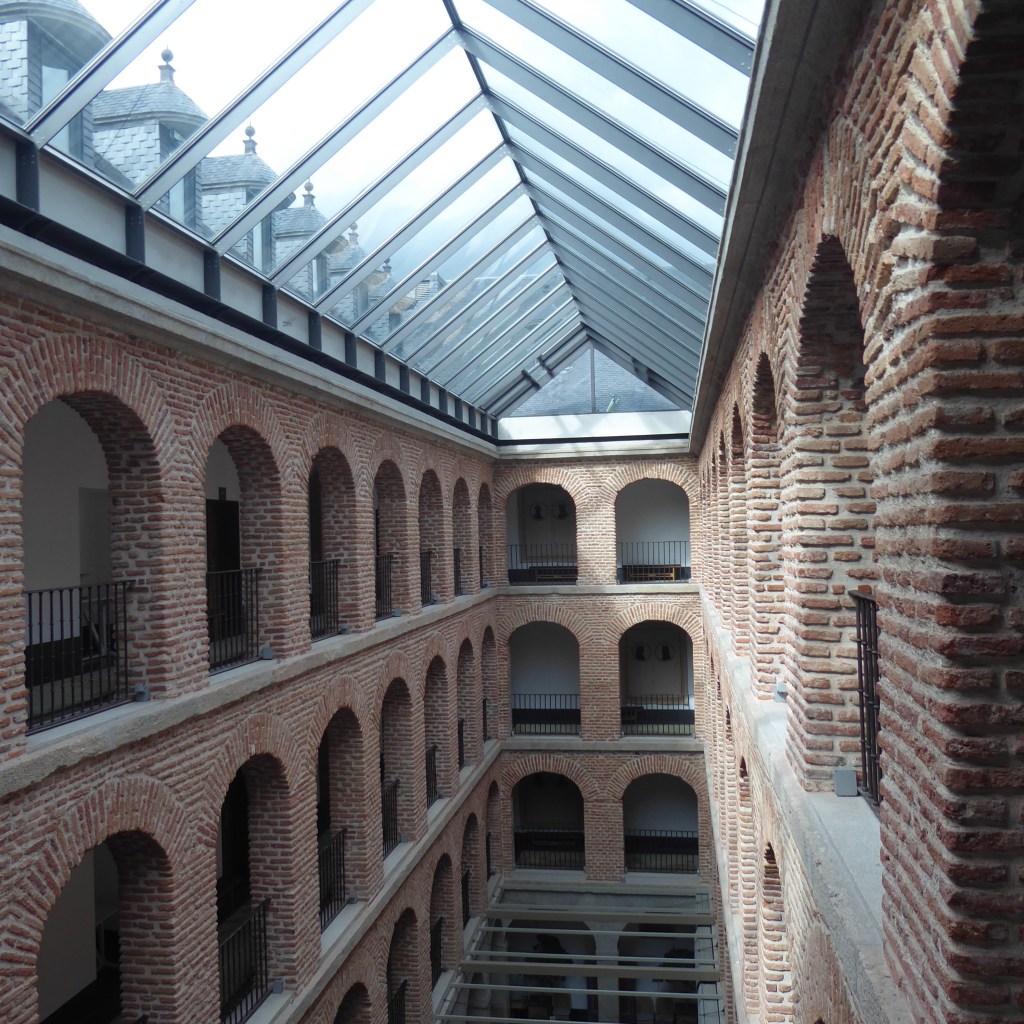
Because I cannot share photos of the palace interior with you, I will share this, which is nearly as good and moderately relevant. This is the interior hallway of our San Illdefonso hotel – the Parador de la Granja. In a show of utmost confidence in the royal procreative skills, this place was designed to be the Casa de los Infantes – a home for the royal children and although that’s the best hide-and-seek hallway ever, there were only two children ever in residence:
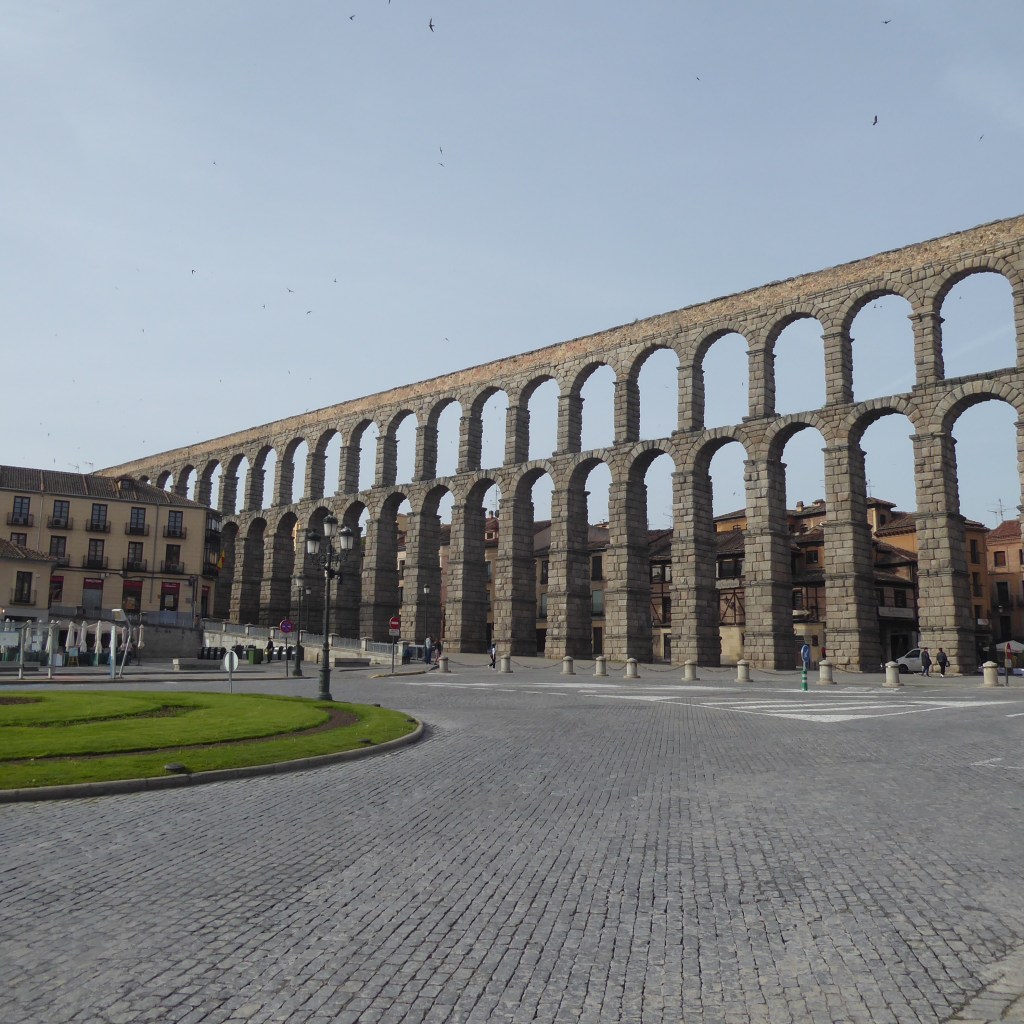
We headed over to Segovia proper and saw this, the aqueduct from about 100AD. It runs 9.3 miles – it transported water from the Rio Frio River into the city. It’s in pristine shape for a 2000-year-old water system – one of the reasons, we were told, is that the Segovia area is not earthquake-prone.
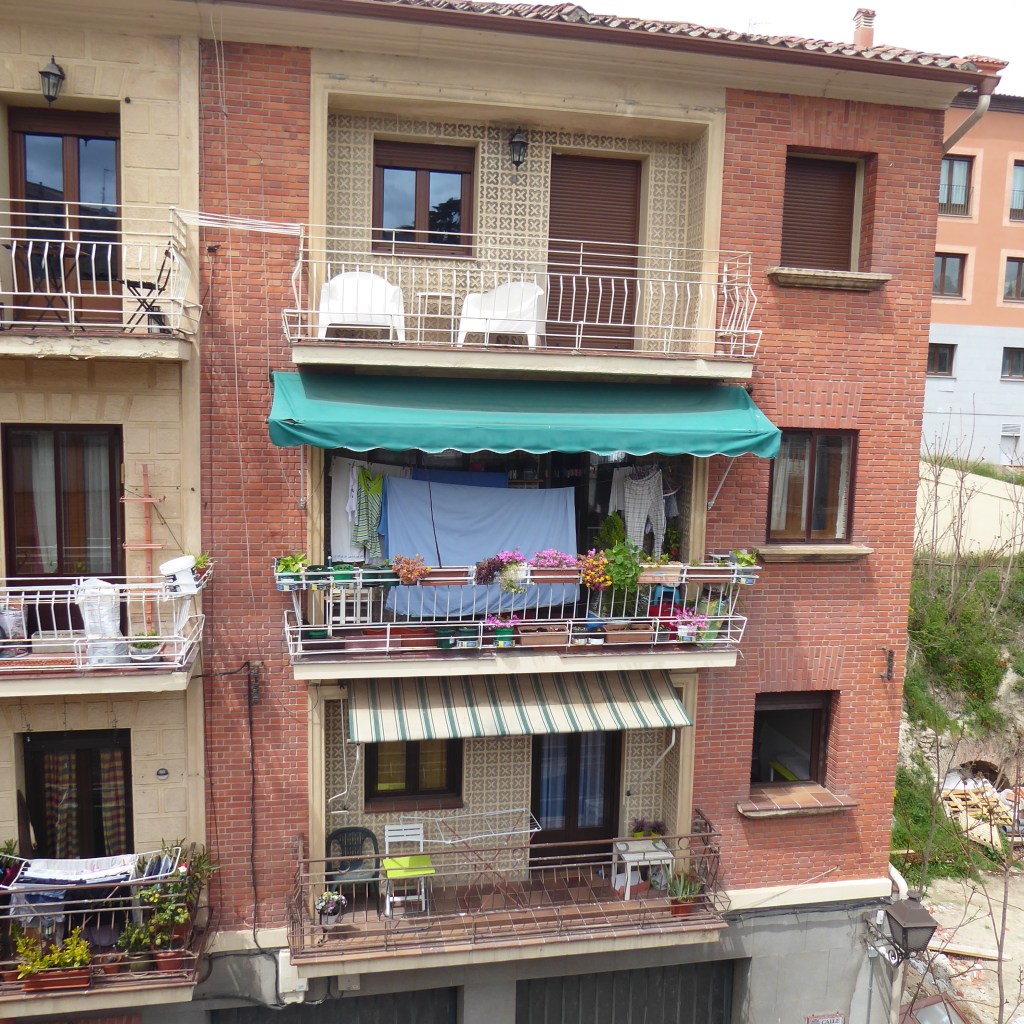
While we were looking at the aqueduct with our guide, my attention (typically) wandered over to these balconies. I liked the contrast in breadth of usage between the neighbors:
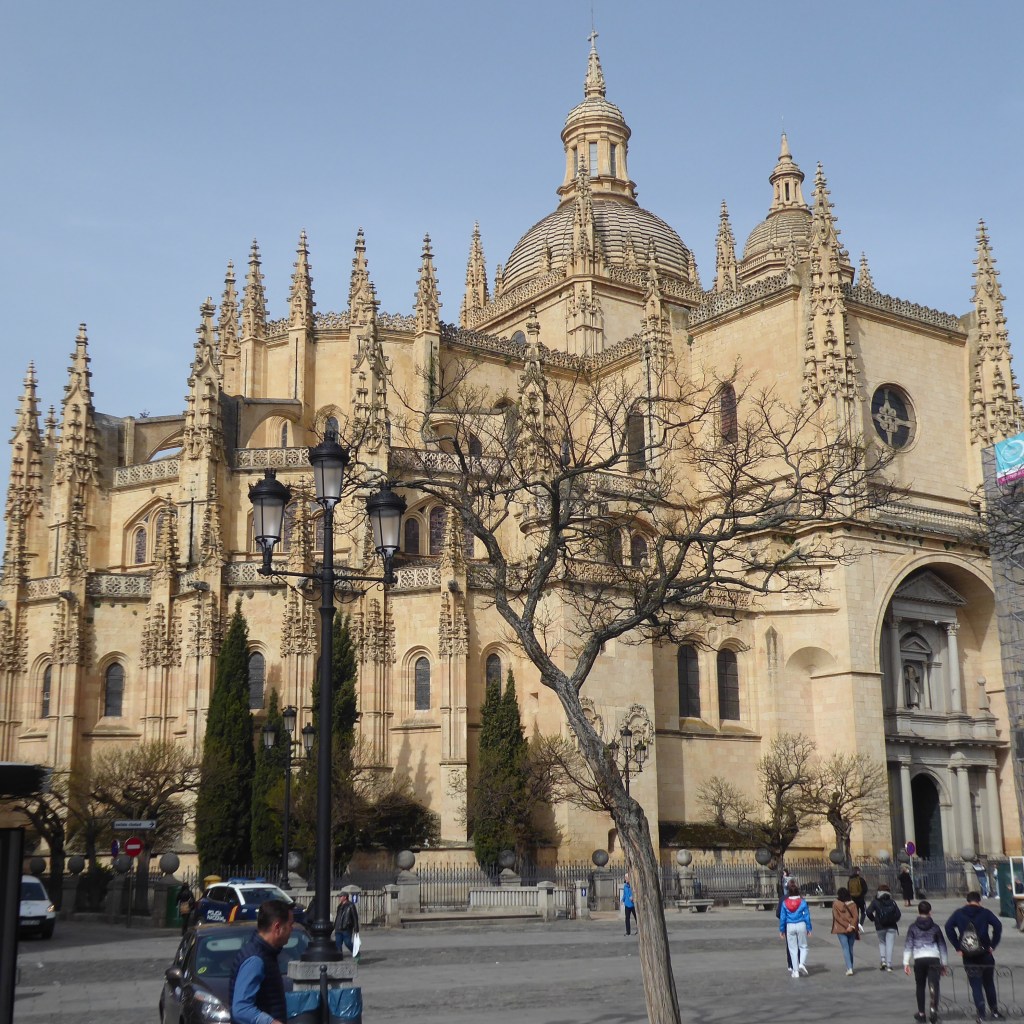
Segovia also has this Gothic cathedral from the mid 16th century:
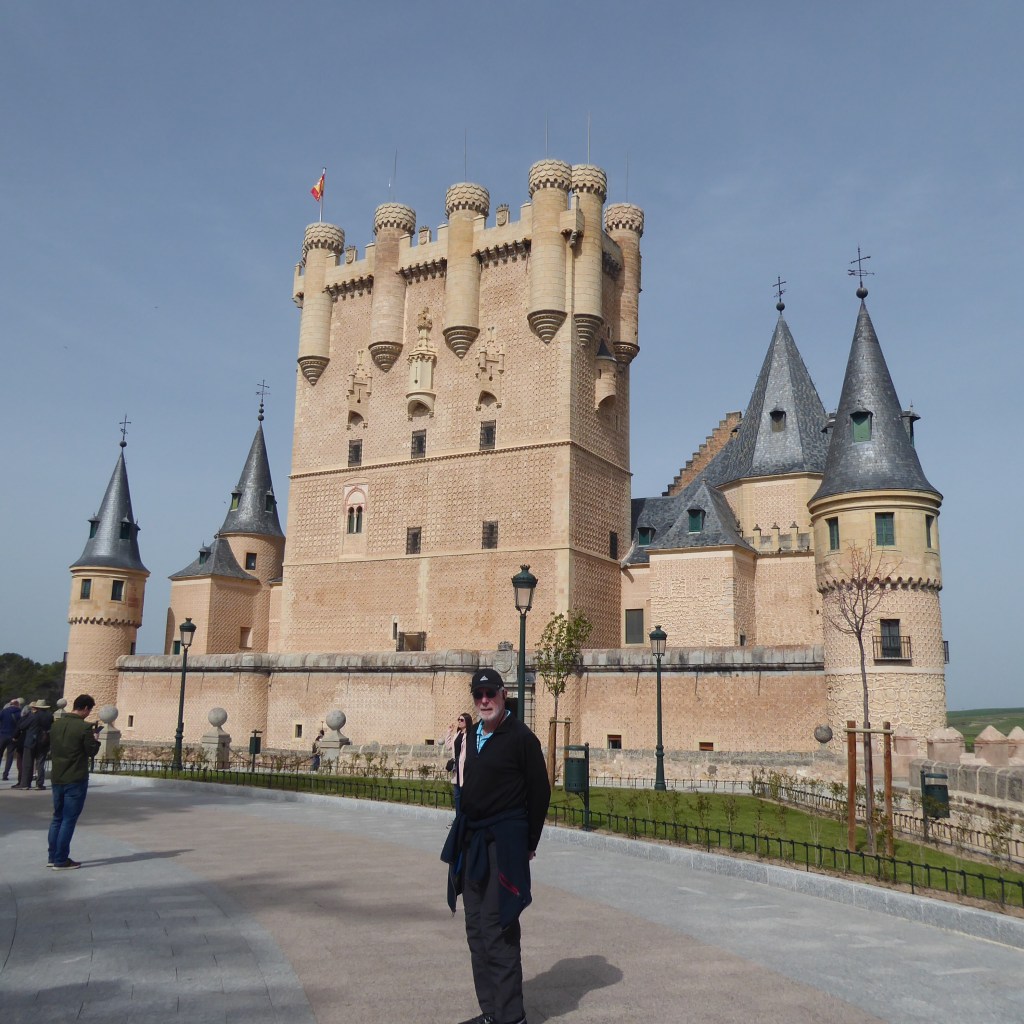
And then it also has an Alcazar – a military fortified residence. The original building here dates back to about 1100 AD, but the current structure only dates to the 19th century – the Alcazar was destroyed by a massive fire in 1862 and then rebuilt using old sketches.
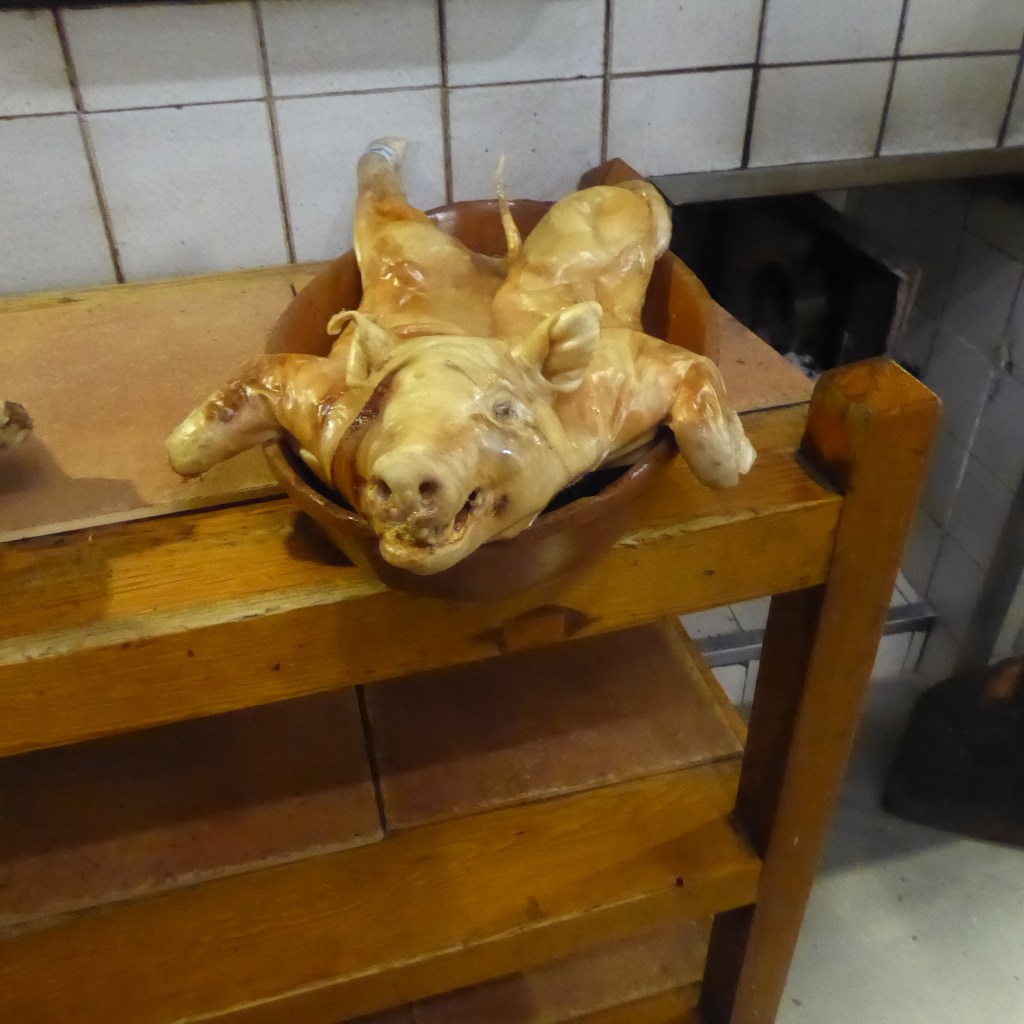
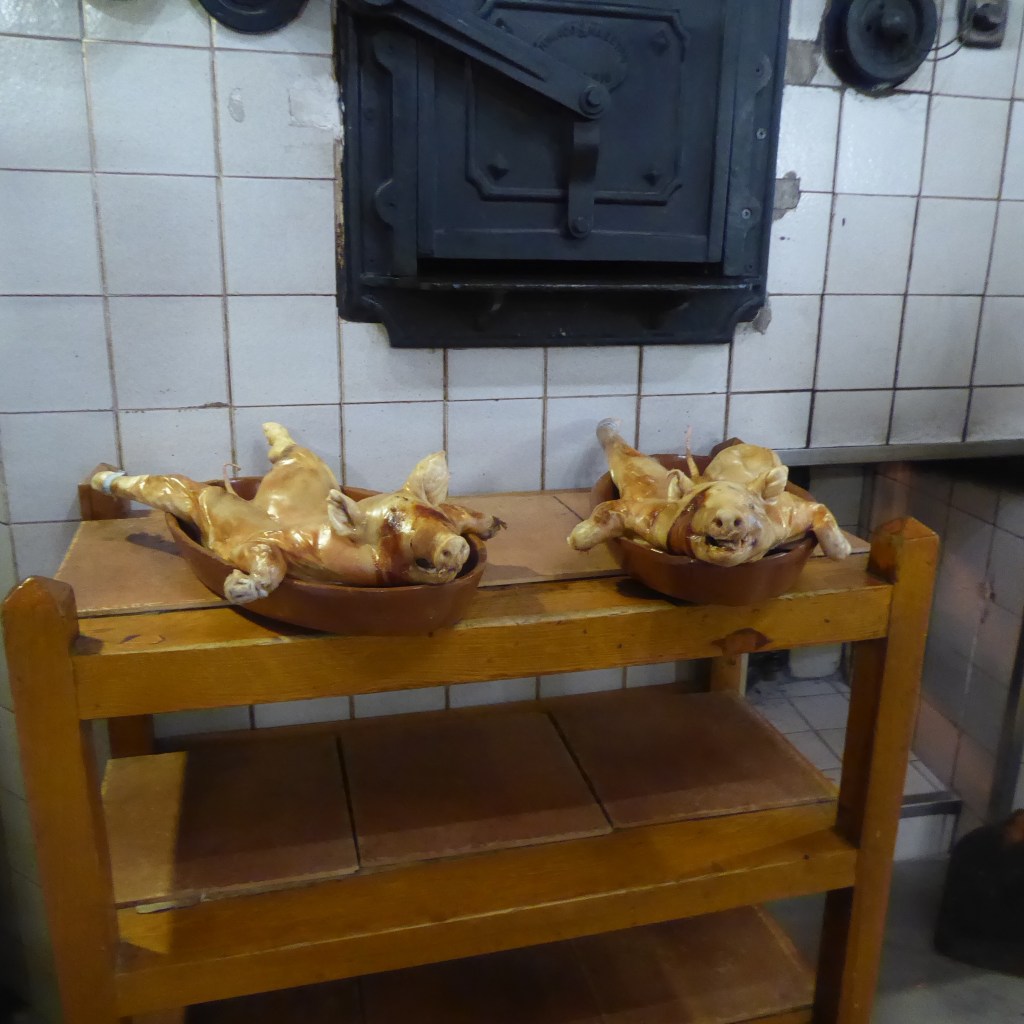
Shortly after visiting the Alcazar, we stopped for the required daily 5000 calorie Road Scholar lunch. I’m torn about including this picture but I’m going to. I am, after all, a journalist and I must share all the facts. Mayra was really excited about this lunch. She kept calling it a Suckling Pig lunch and, in my ignorance, I pictured a pork chop. Instead, our group of 11 ate 1.5 of these, and Ron and I weren’t even helping. One of our table mates got an entire hoof served to him so be grateful I didn’t include that.
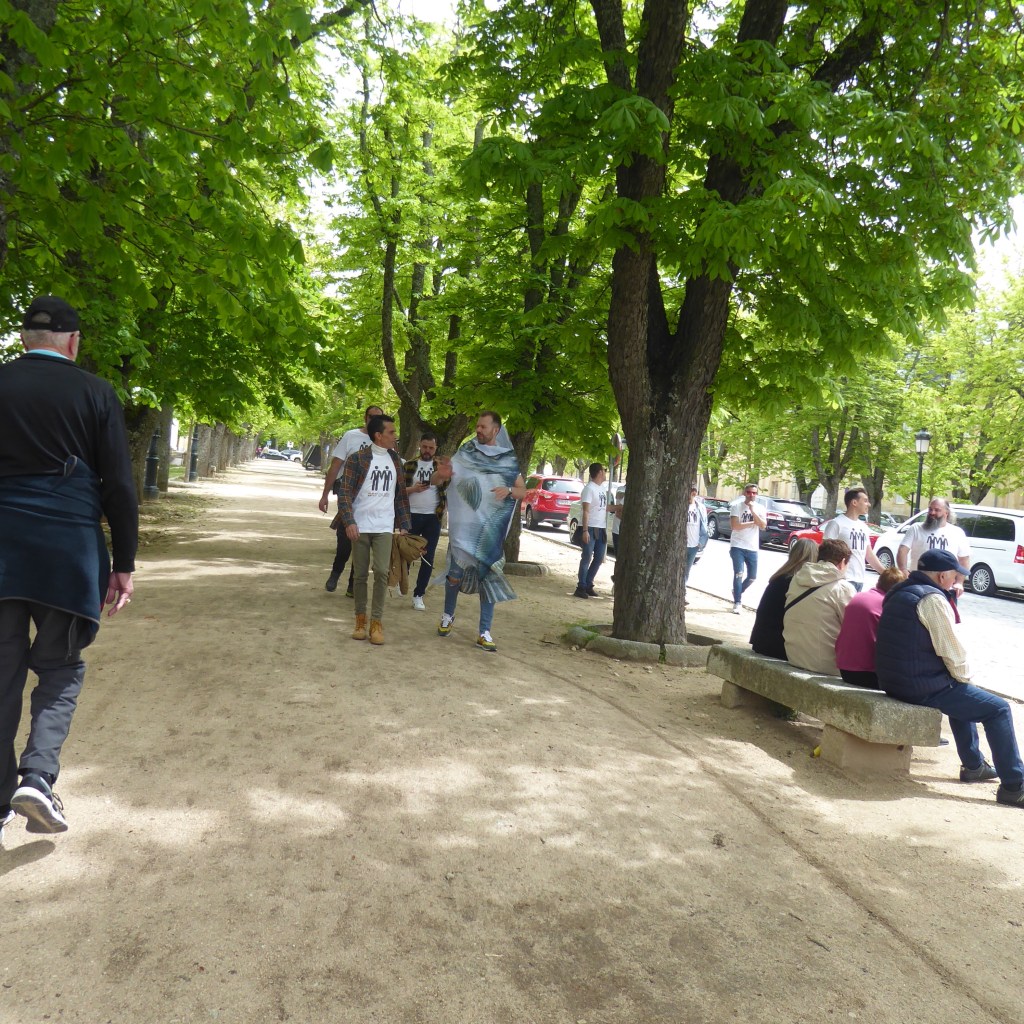
Fully sated, or possibly nauseous and sworn off food forever, we headed back to our hotel to pack up for Barcelona. I’ll leave you with these three pictures from my wanderings. The sad thing is that I am certain that Mayra was sharing important historical information while I was taking these and so you are being shorted some facts about Richard or Alfonso or the Romans or the Visigoths and I apologize. One is some sort of bachelor party with one member required to be dressed as a large fish (interpretation unknown).
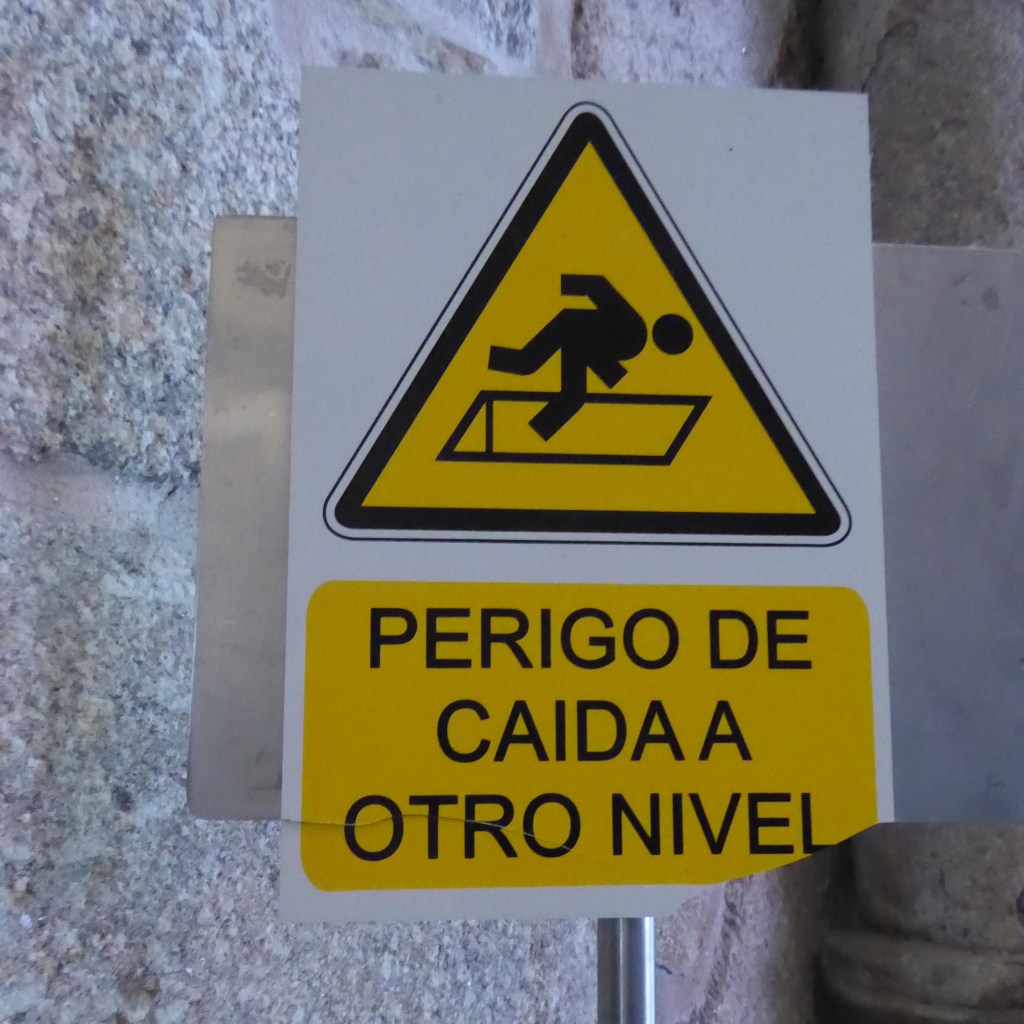
The next is another in my series of Warning: Don’t Fall, this one encouraging you not to fall through any large holes in the floor.
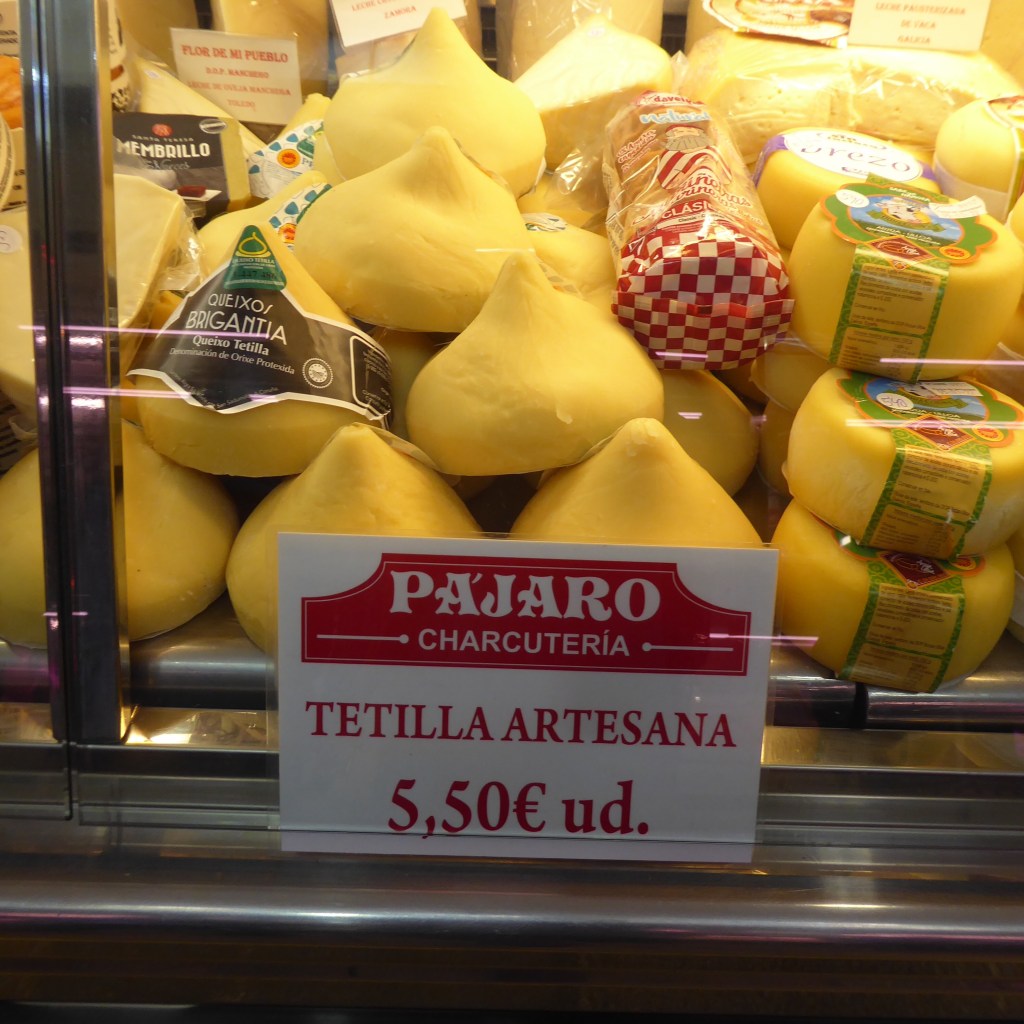
And finally this cheese. It’s called Tetilla cheese from the Galicia area of Spain and I’ll let you puzzle out the pronunciation, based on that mounded, maternal shape. This cheese is everywhere and I was dying to bring a “tetilla” home with me, but in addition to clearly causing a packing problem, it would also create a “fresh food” customs obligation at SeaTac and so I head to Barcelona, cheese-less, but in possession of Mayra’s sweater.
 Travels with Valerie