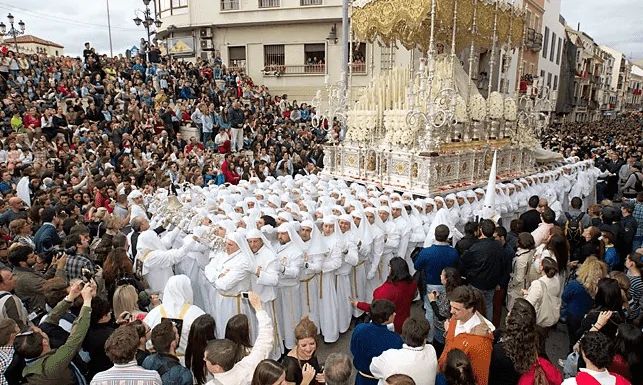
Before we get to the important subjects of fish salting and modern art, I want to discuss the 5 million people who are in Malaga with me this week for Semana Santa. My initial research indicated a mere 400,000 visitors for Semana Santa and information I have received here firmly states that there are an extra 5 million people in Malaga this week, so I guess we are going to have to conclude that the visitor total remains 400,000, give or take 4.6 million.
Semana Santa celebrates the Christian Reconquest of Spain in 1492, after centuries of Muslim rule. The new monarchs – Ferdinand II of Aragon and Isabella I of Castile for people who keep track of these kinds of things, like Jim – wanted to tell the (mostly) illiterate population the story of Easter and VOILA!… 500 years later, I have 5 million friends, wandering the streets of Malaga with me.
The good thing about this is that the masses and I have different touristic goals.
They all rush around the city trying to see these processions that tell the story of Jesus of Nazareth – from his entrance into Jerusalem on Palm Sunday to his execution on Friday and then resurrection on Sunday. This footage is from the roof patio of my hotel, which has turned out to be an excellent and crucially distant vantage point.
I want to contrast my video with this professional one from an official tourist organization – I think they do a slightly better and less biased job of capturing the intended emotion of the week.
At any rate, my key Semana Santa takeaway is that touring Malaga is workable, as long as you avoid the river flows of people as they move from procession to procession – and that the actual sites/museums that interest me are generally empty this week and open for business.
Here is the Yacimiento archaeological museum – under the Carmen Thyssen art museum. I came for the art, but stayed for the archaeology.
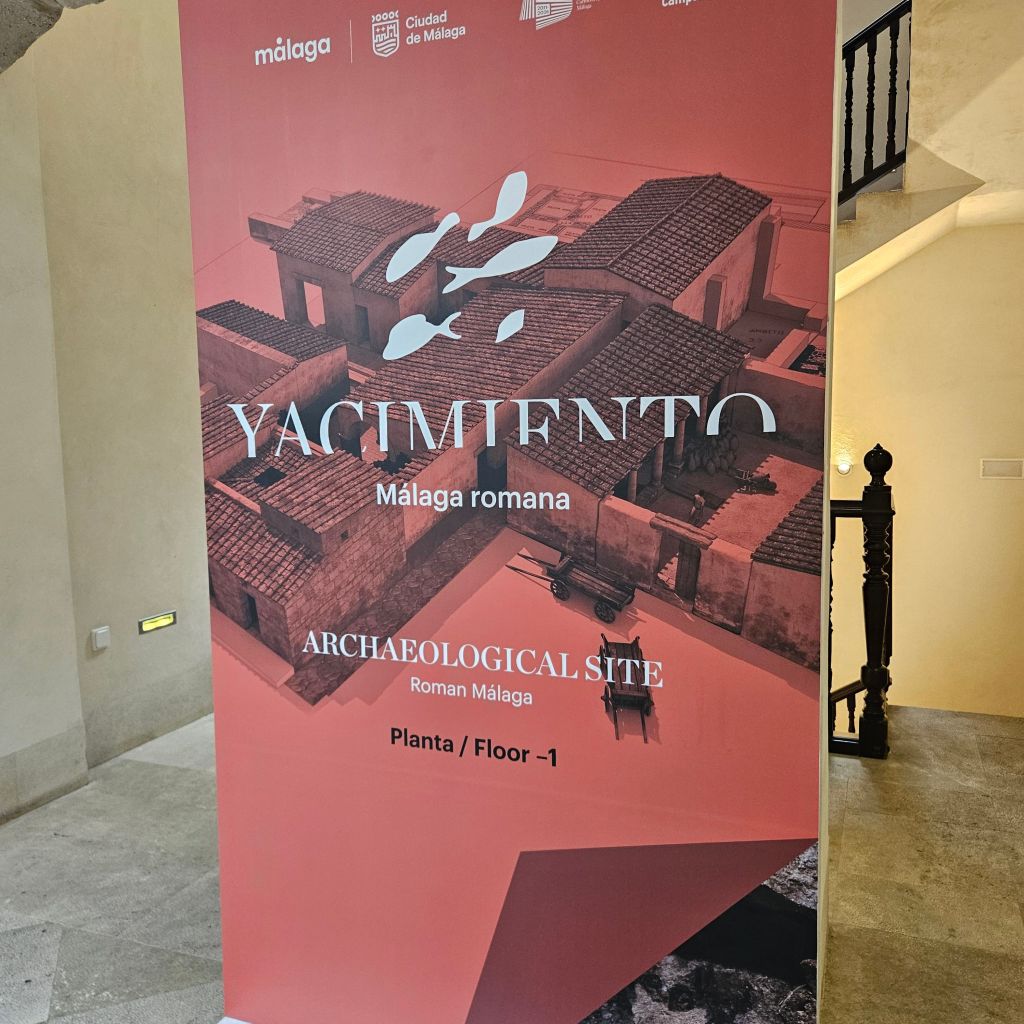
I was the only one in this fantastic place. The ruins were investigated and documented in the last 20 years and exist under what is otherwise an art museum in the seriously nondescript 16th century Palacio de Villalon:
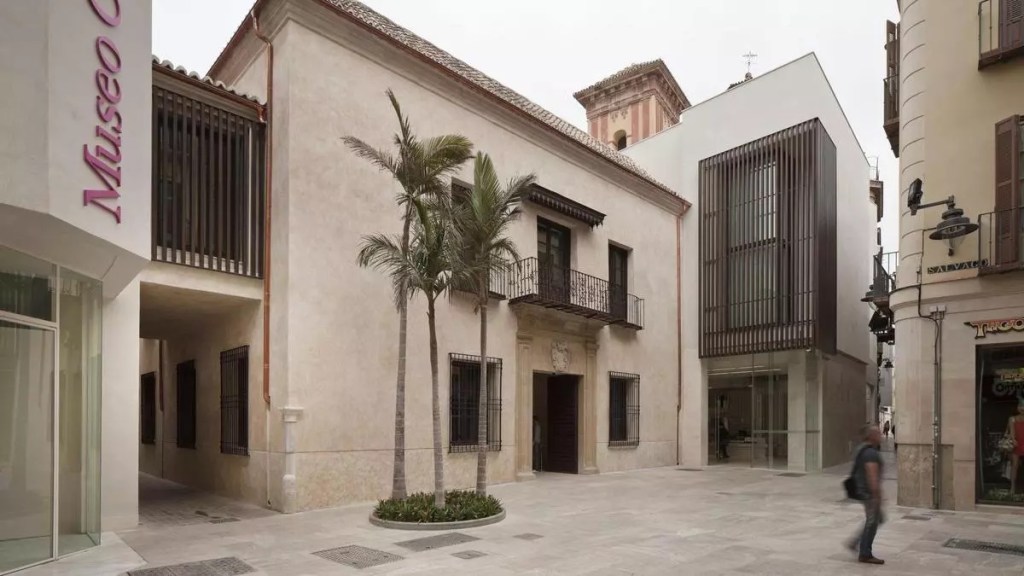
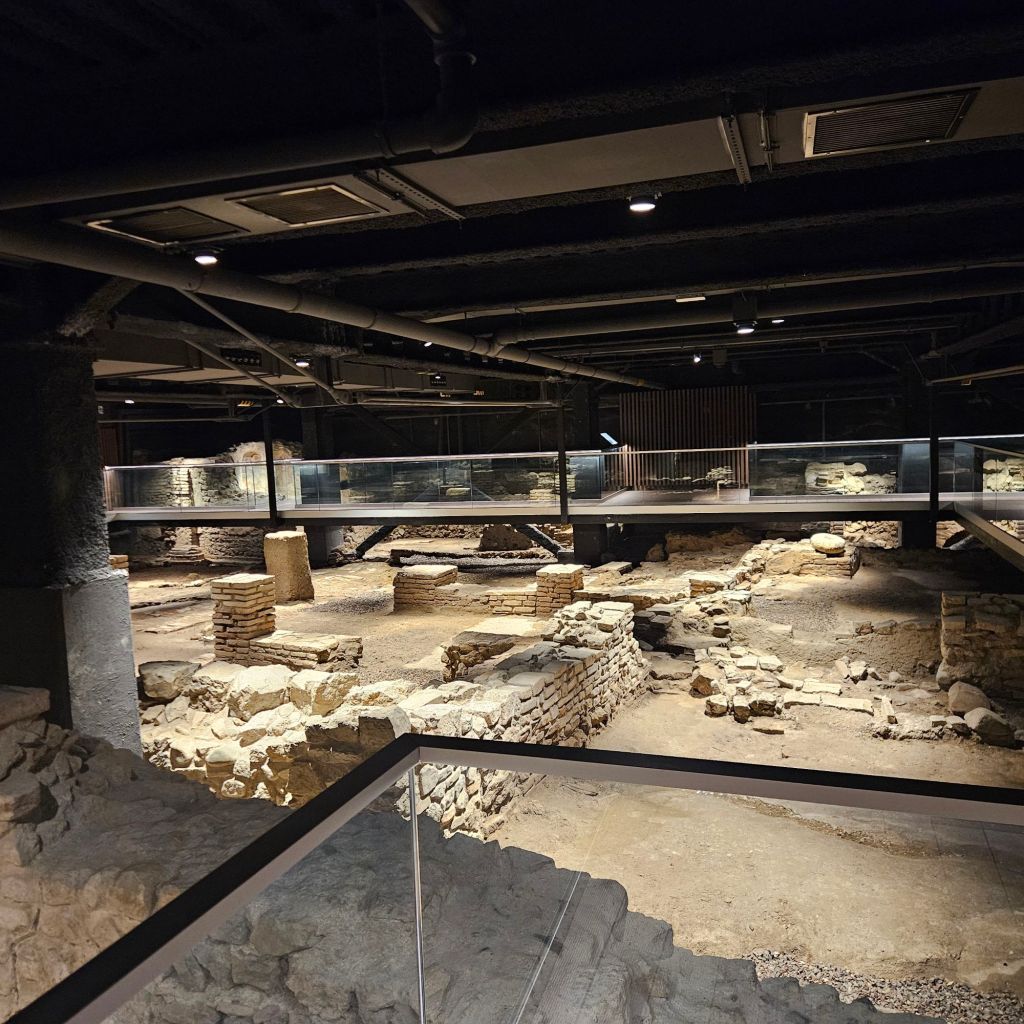
The remains are a Roman villa, which were hard to make out, but this family made their money in the fish trade and their almadraba – fish salting factory – is still there.
Here are the remains:
And here are the two fish preservation areas – the top one from the 1st century and the bottom one from 400 years later:
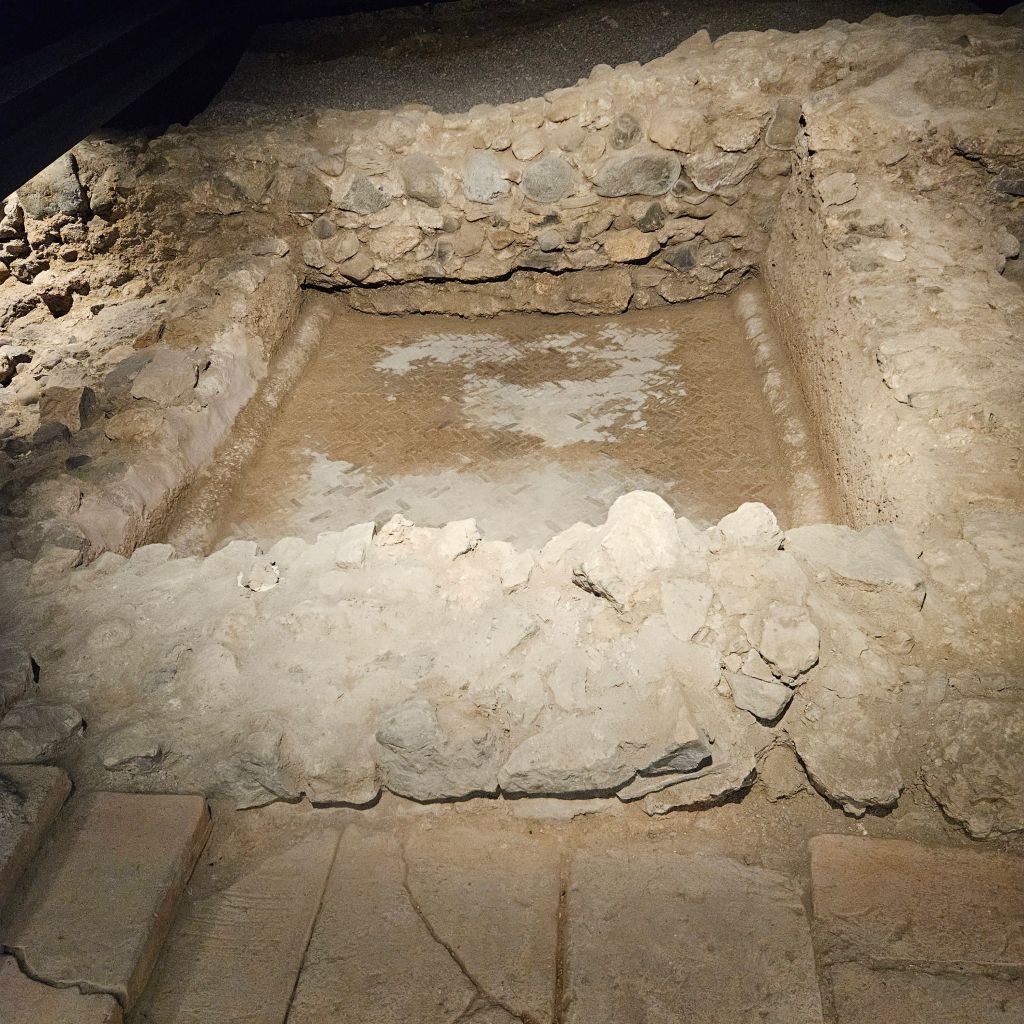
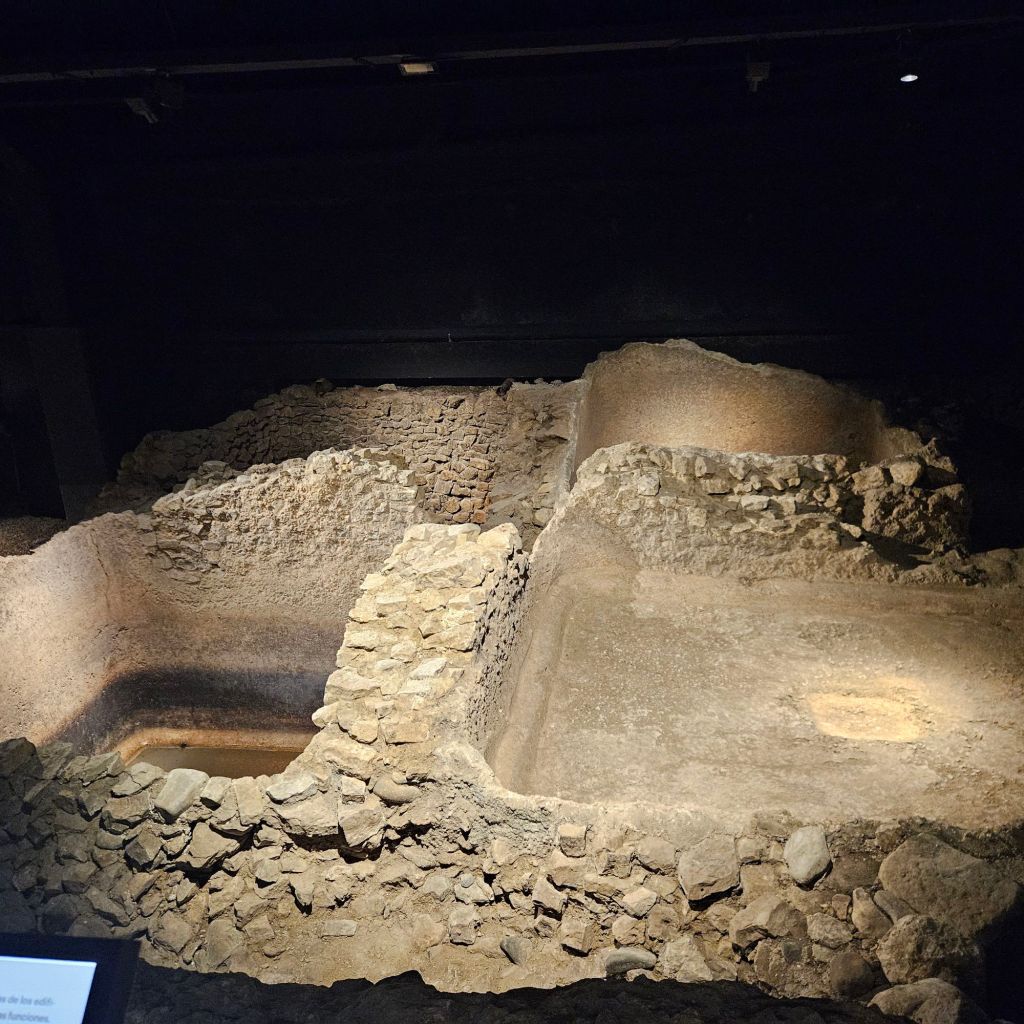
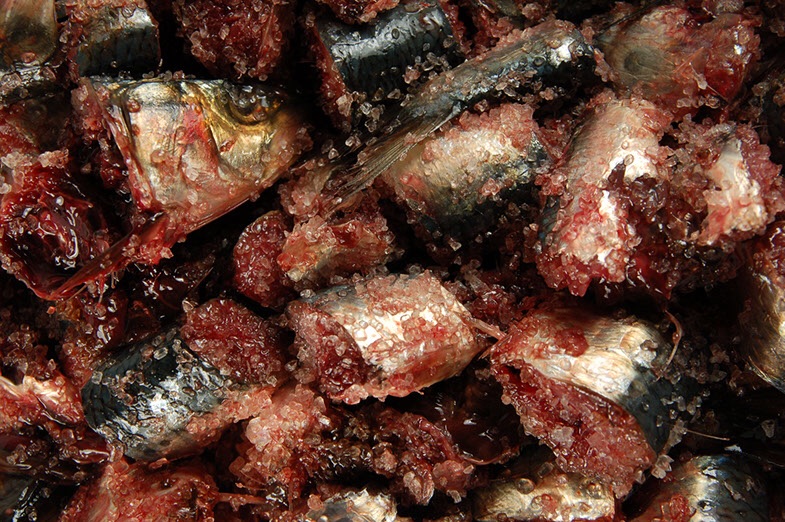
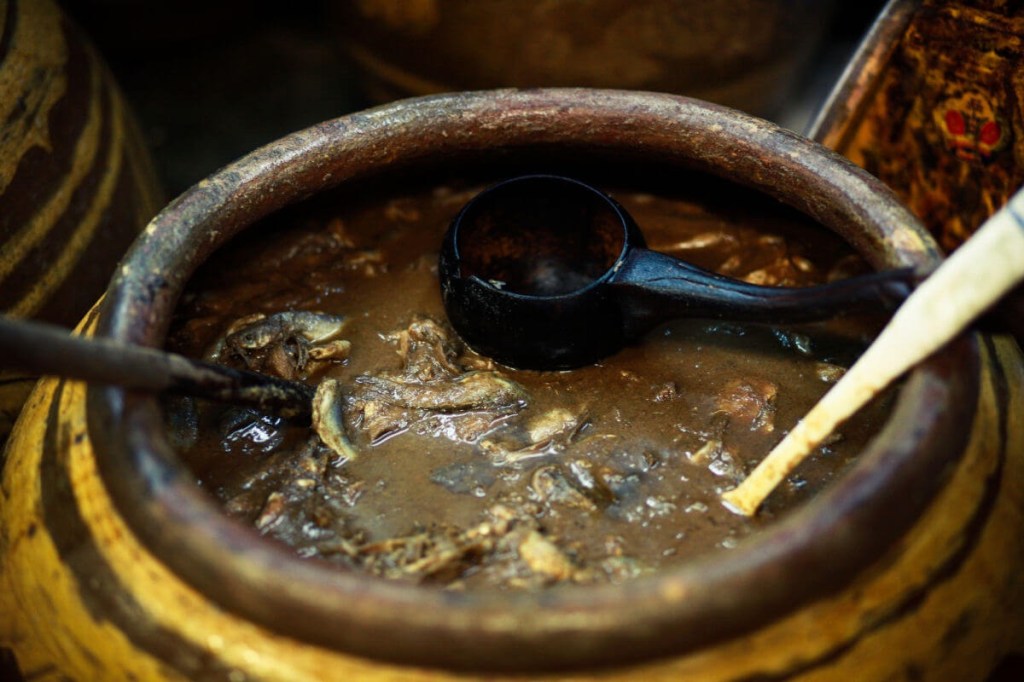
Maybe you can see the advances in fish salting technology from the 1st century AD to the 5th?? There was certainly an increase in volume, and one tank was used to make just garum – the Roman empire’s staple food of salted and fermented fish heads and intestine, which sat fermenting/decomposing for 9 months until you had products that looked like this below. I feel like, in Roman times, Ron might have been an esteemed beverage chef.
From Yacimiento, I made my way over to the Malaga outpost of Paris’ famous Pompidou contemporary art museum. Here are a couple of pictures from my stroll, although it was too hard to get my own procession pics:
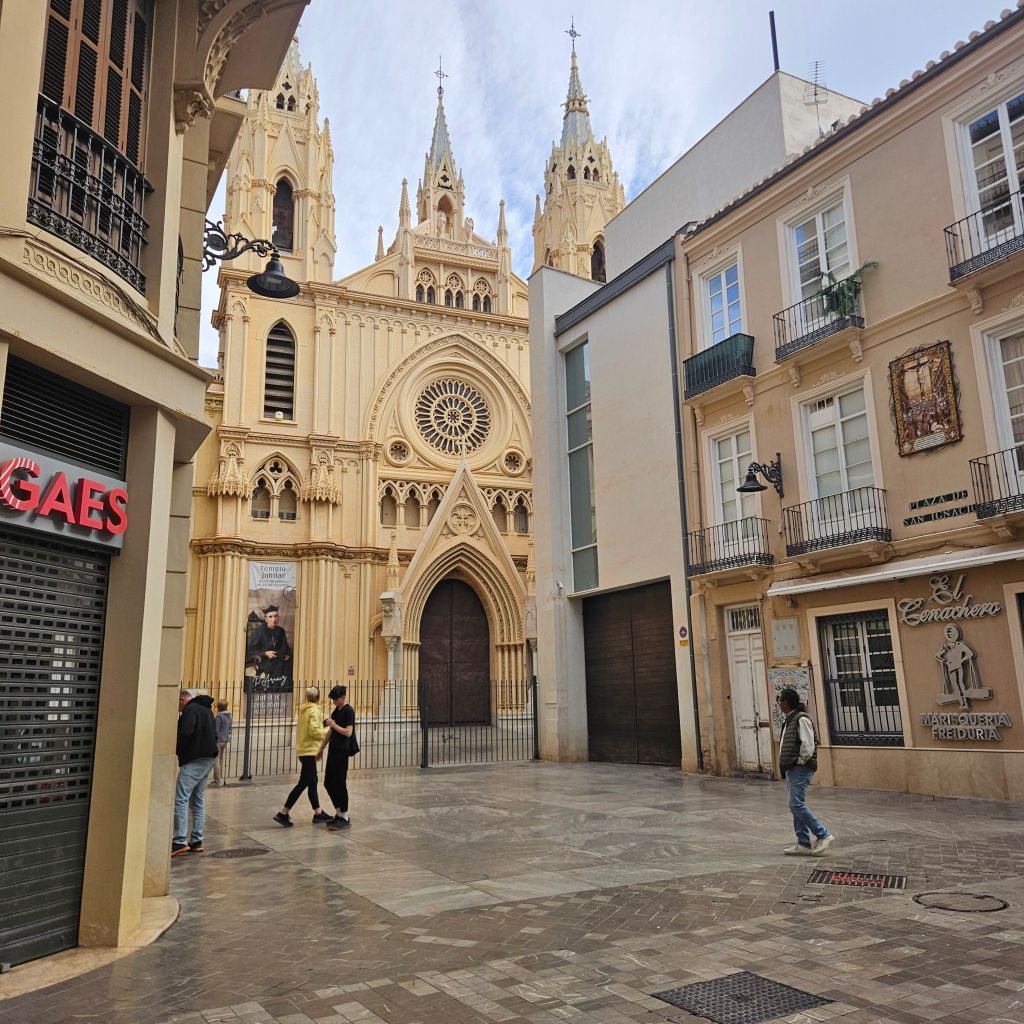
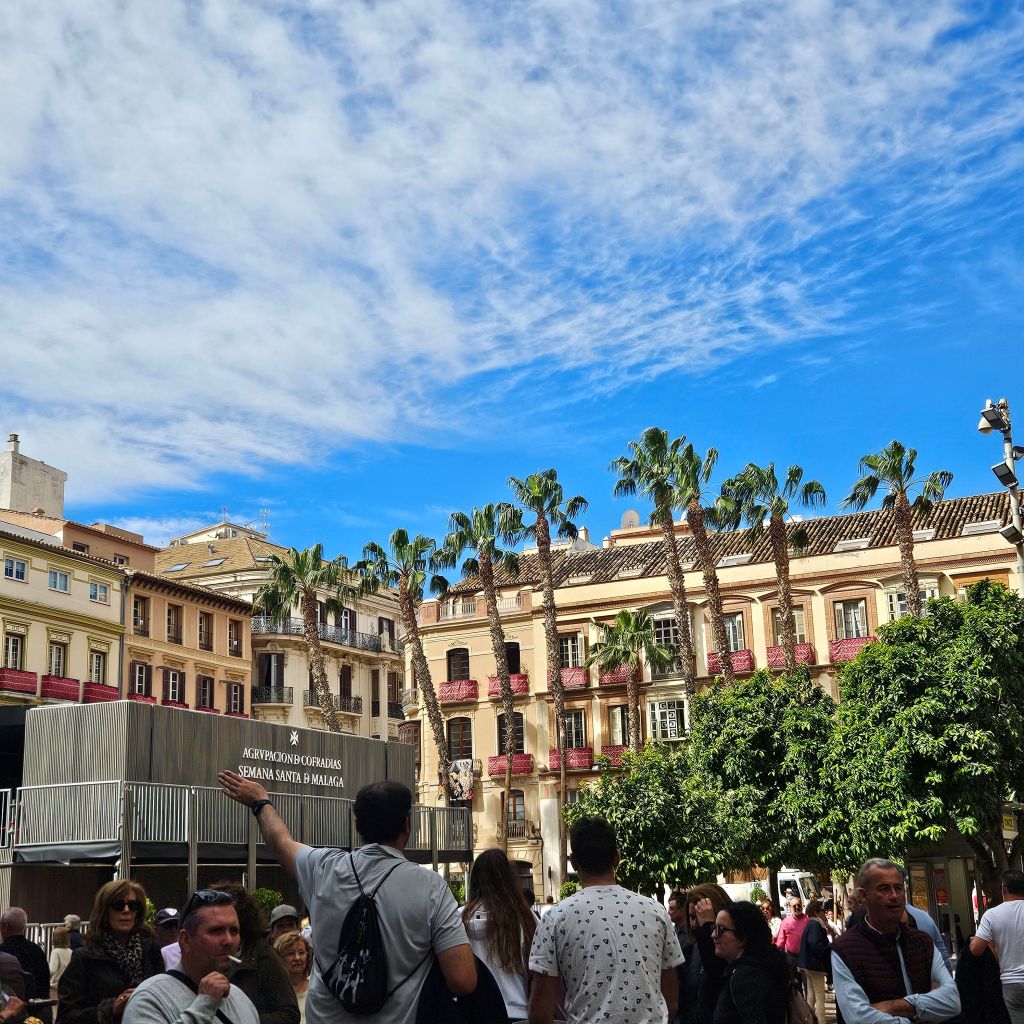

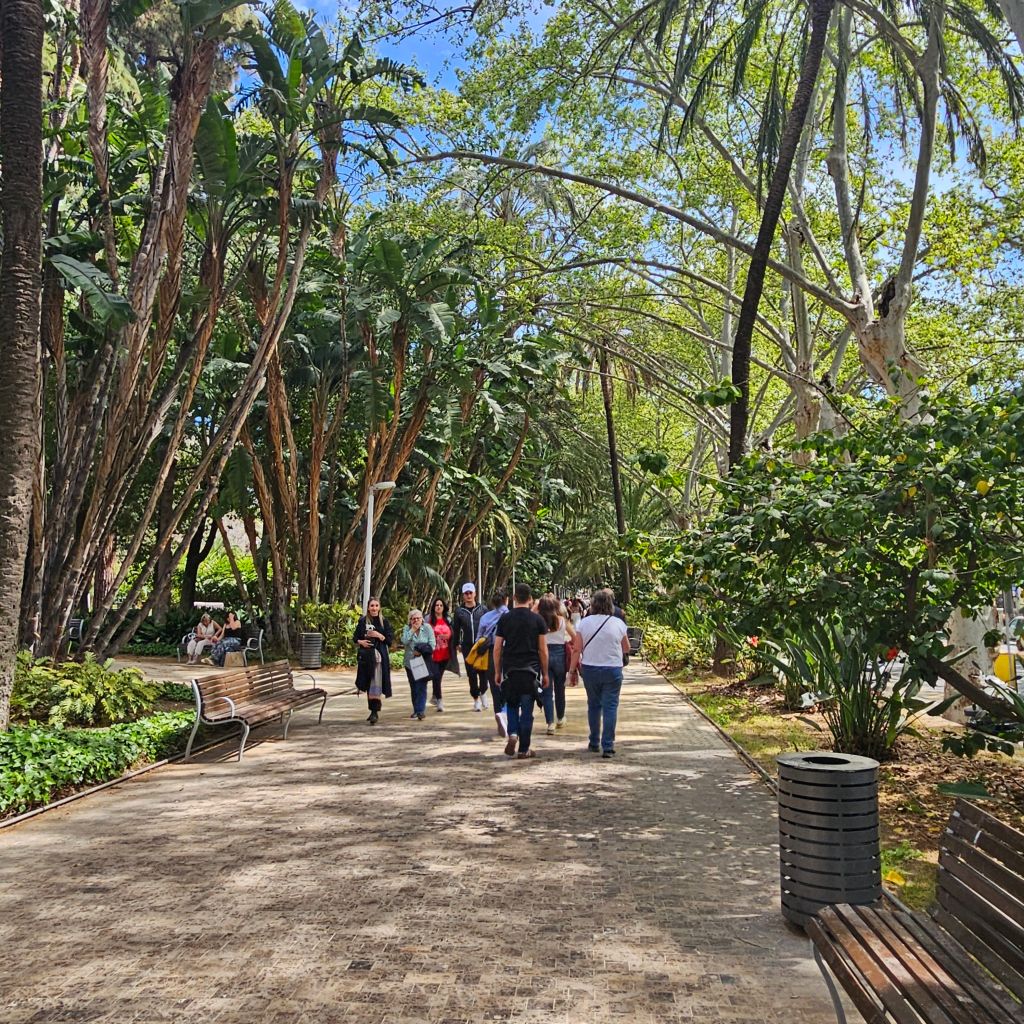
Here is the street-level view of the Pompidou:
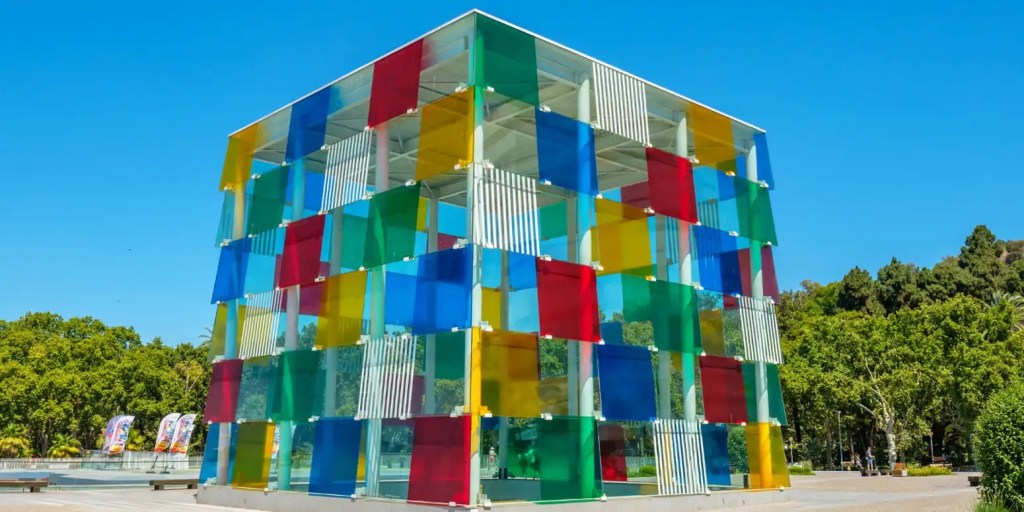
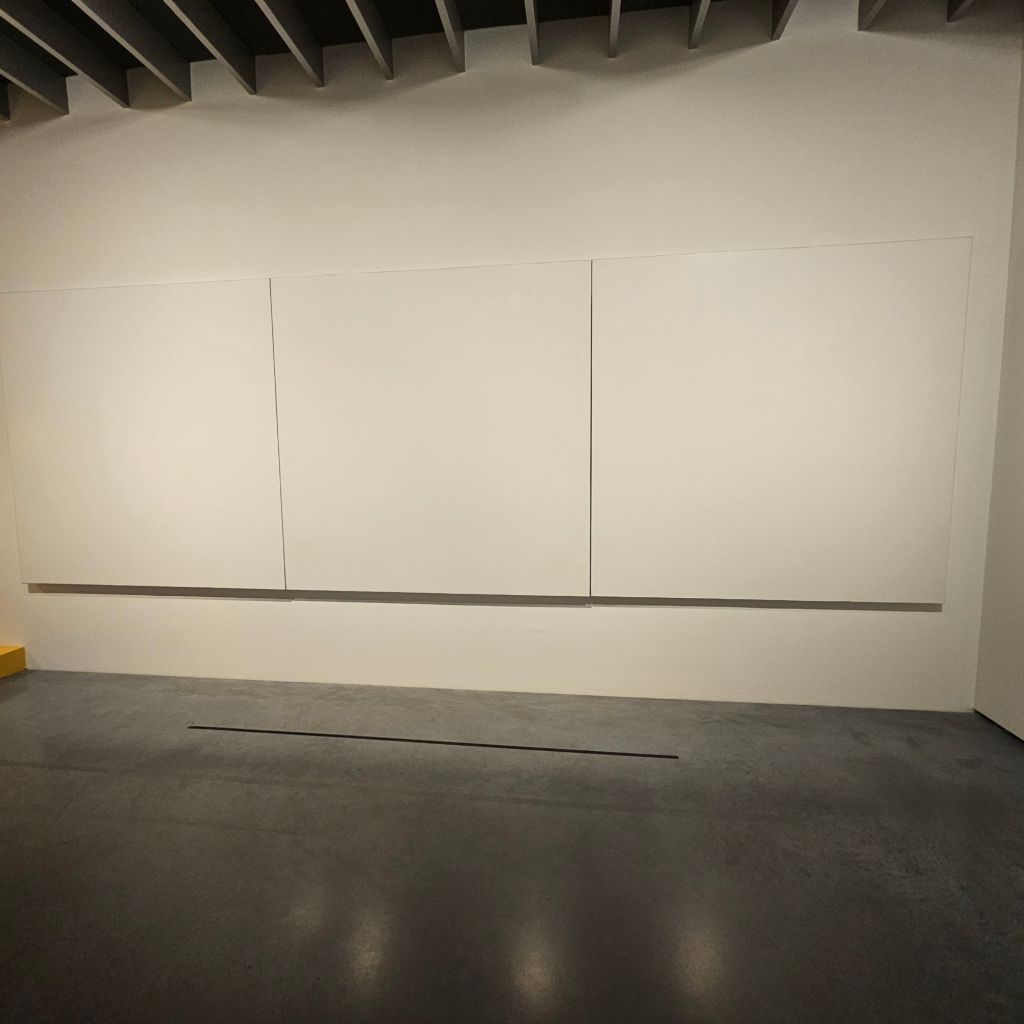
And much like the Carmen Thyssen museum – which held the magical fish salting display down below street level, underneath the glass cube of the Pompidou, I discovered this incredible art, from 1974 AD – Untitled Triptych, by Robert Ryman, which I feel provides a similar explanation of fish processing techniques of the Roman Empire:
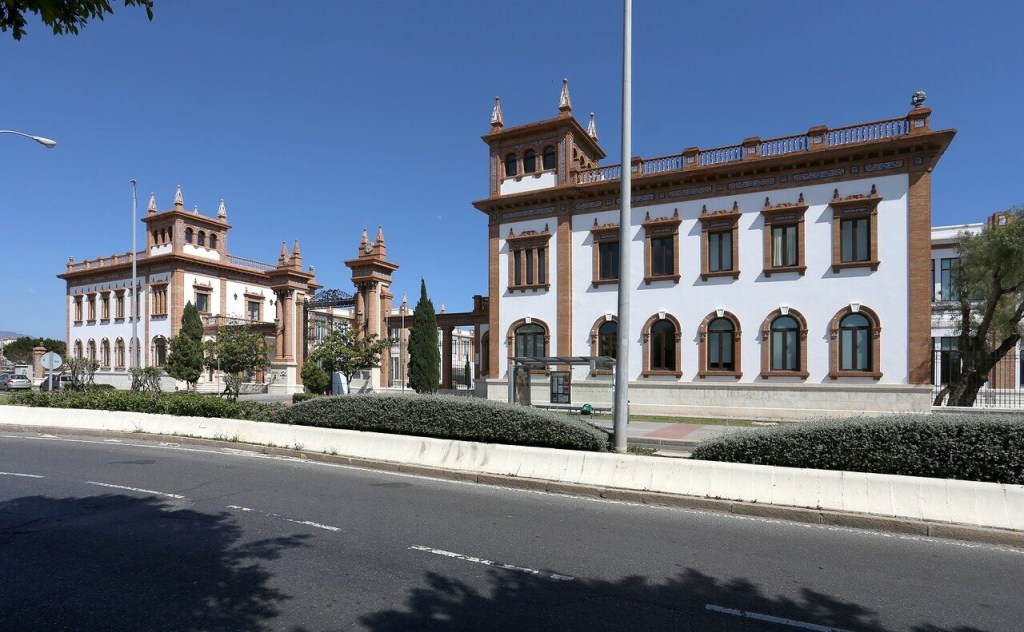
I also did a long walk across Malaga to get to the Automobile and Fashion Museum. It’s housed in this cool 1930s Mudejar-style building that used to be a tobacco plant:
Along my hour-long walk across town, I saw a few things that made me smile. This is the crossing signal for Malaga. I tried to get my own video, but could not, so I’m sharing this one instead. Look at the little green man panic at the end – I love these!
https://www.youtube.com/watch?v=Uy6k8pXCNyo
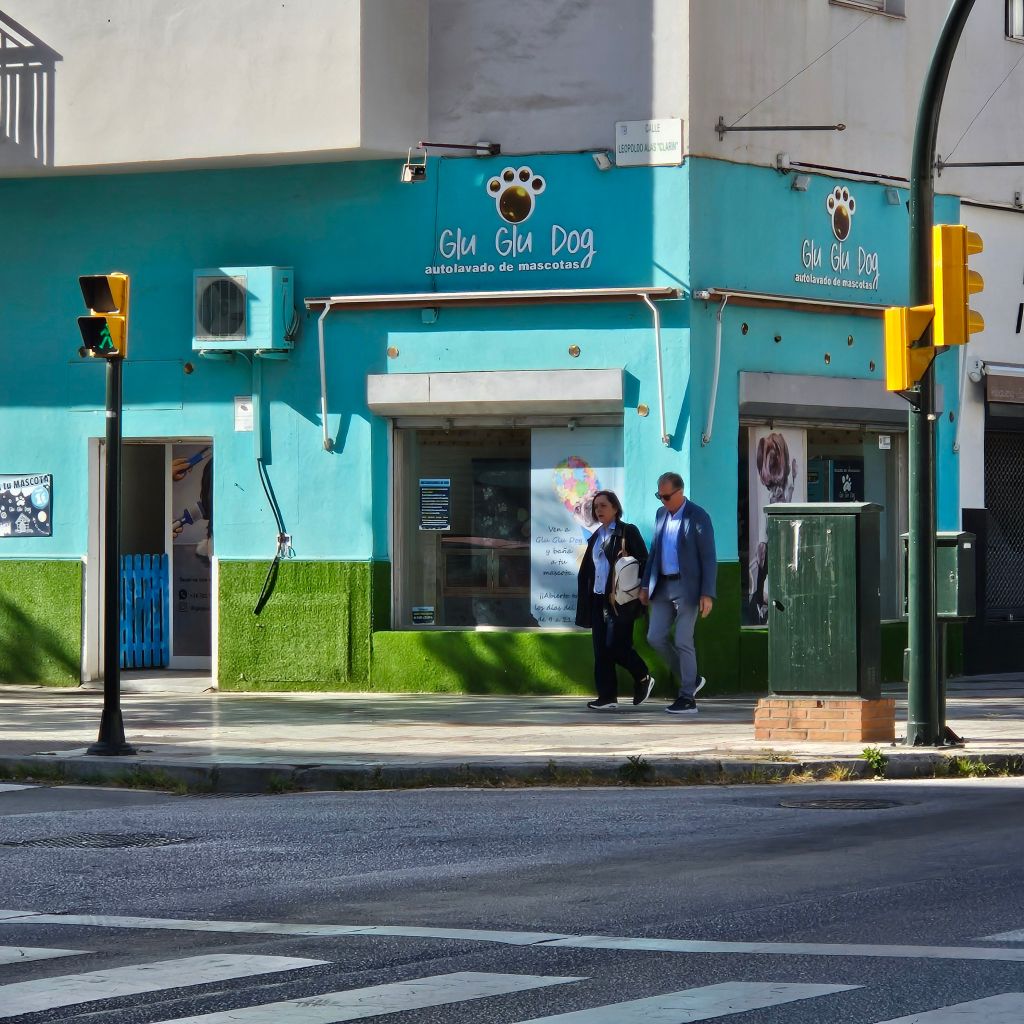
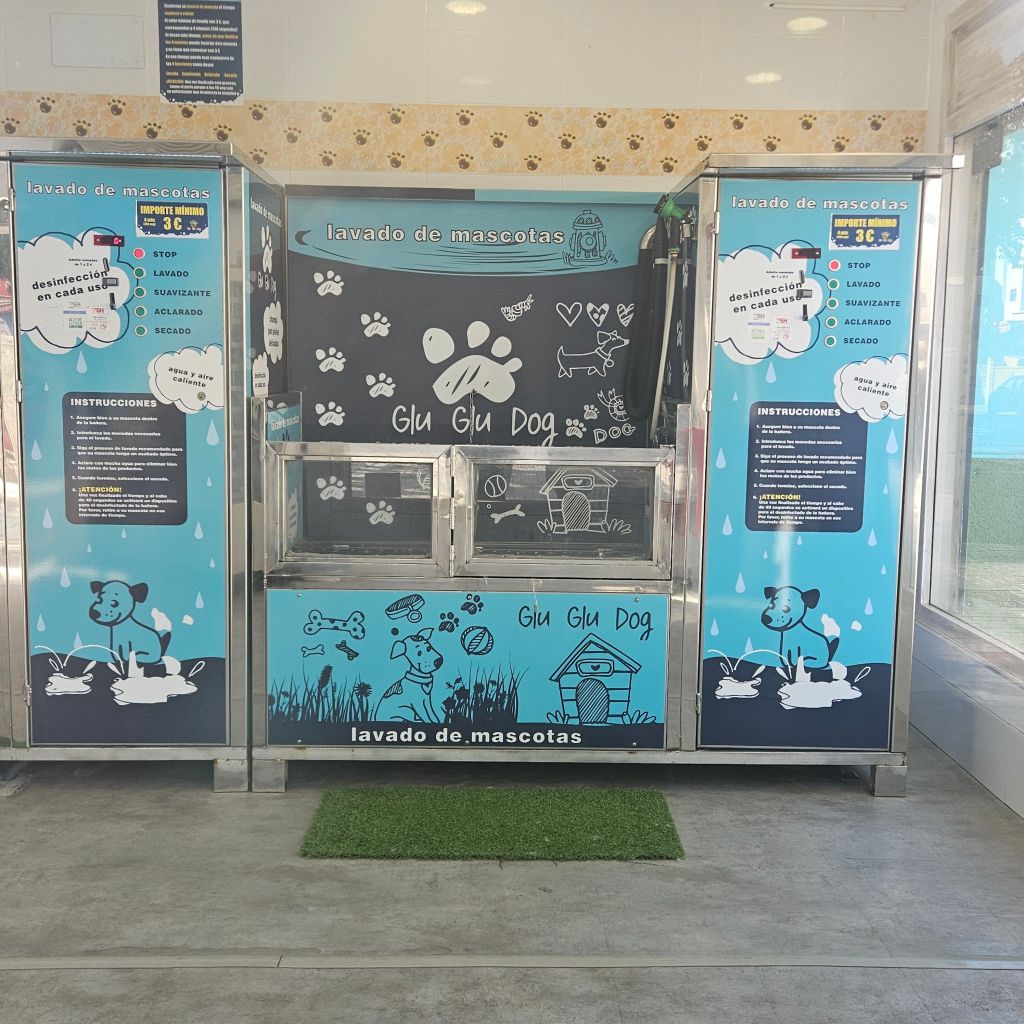
I liked this Glu Glu Dog – self-service dog wash:
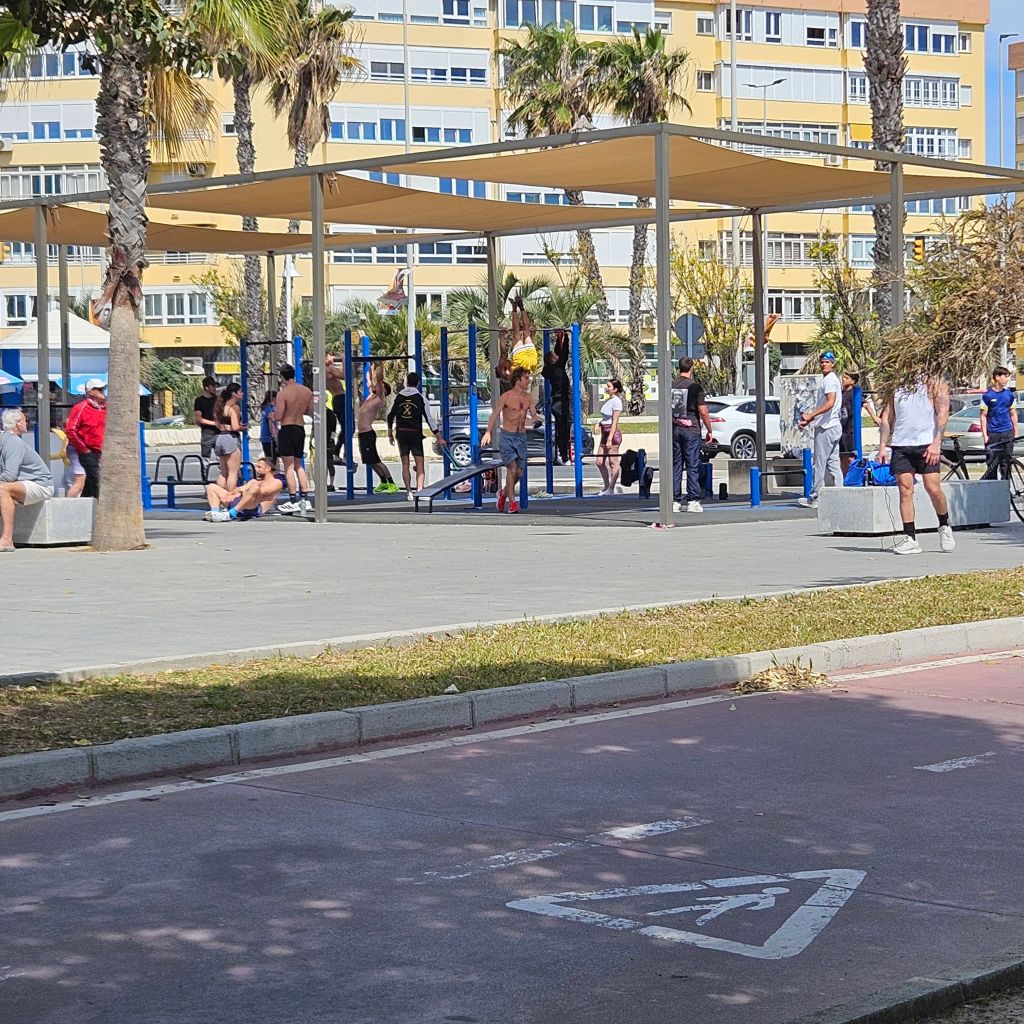
And this outdoor gym was packed with fitness-types:
The car museum was fantastic. It’s a private museum – always a good sign that a fanatic has collected so much stuff that they need to find a building. The Magalhaes family displays around 100 cars and strategically places high-fashion items near the cars, to convey the concept that cars are works of art. The family was Portuguese and made their money in fabric manufacturing. Over time, the collection was offered to the Portuguese government, and they were not interested…but Spain/Malaga stepped in and provided 9 million Euros for a building.
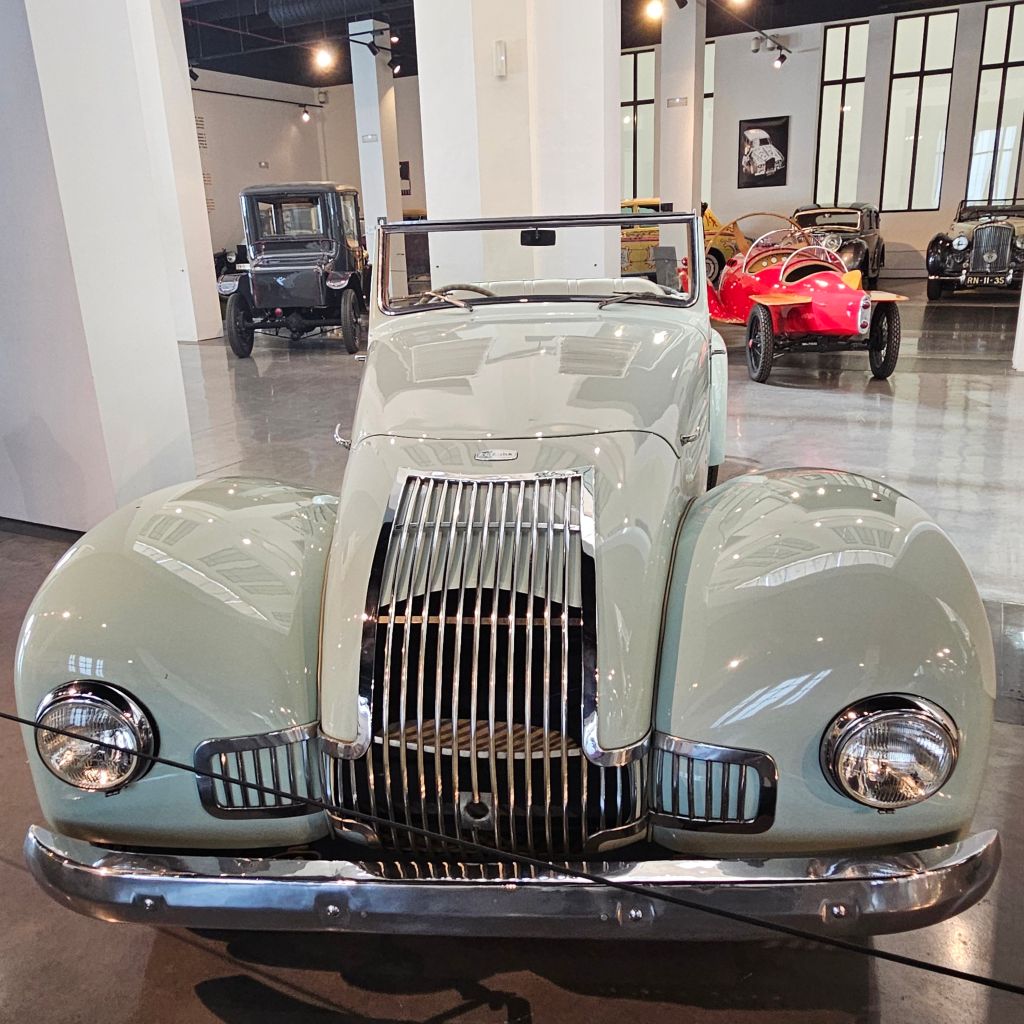
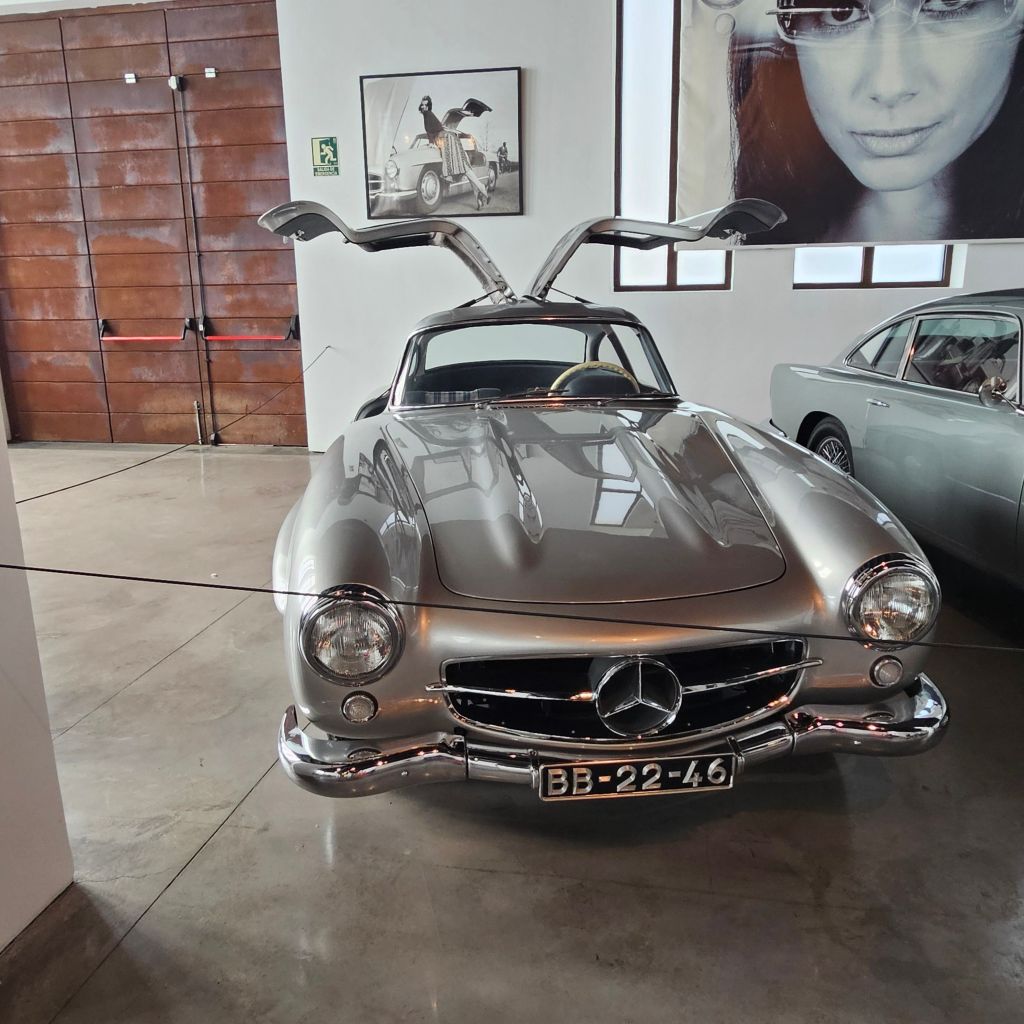
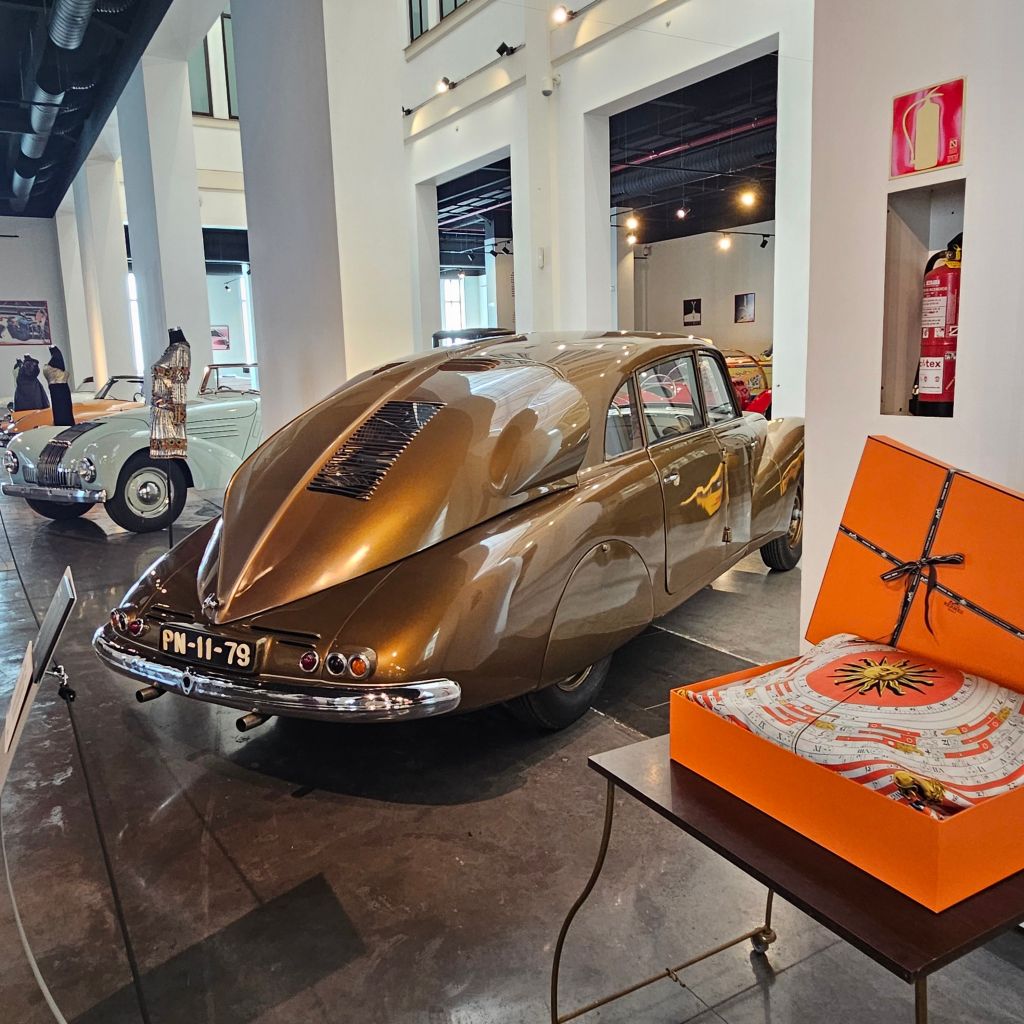
Here are some of the highlight cars. There were quite a few I had never heard of.
A 1959 Allard Inglaterra:
A 1959 Gullwing Mercedes:
A 1947 Czech Tatra:
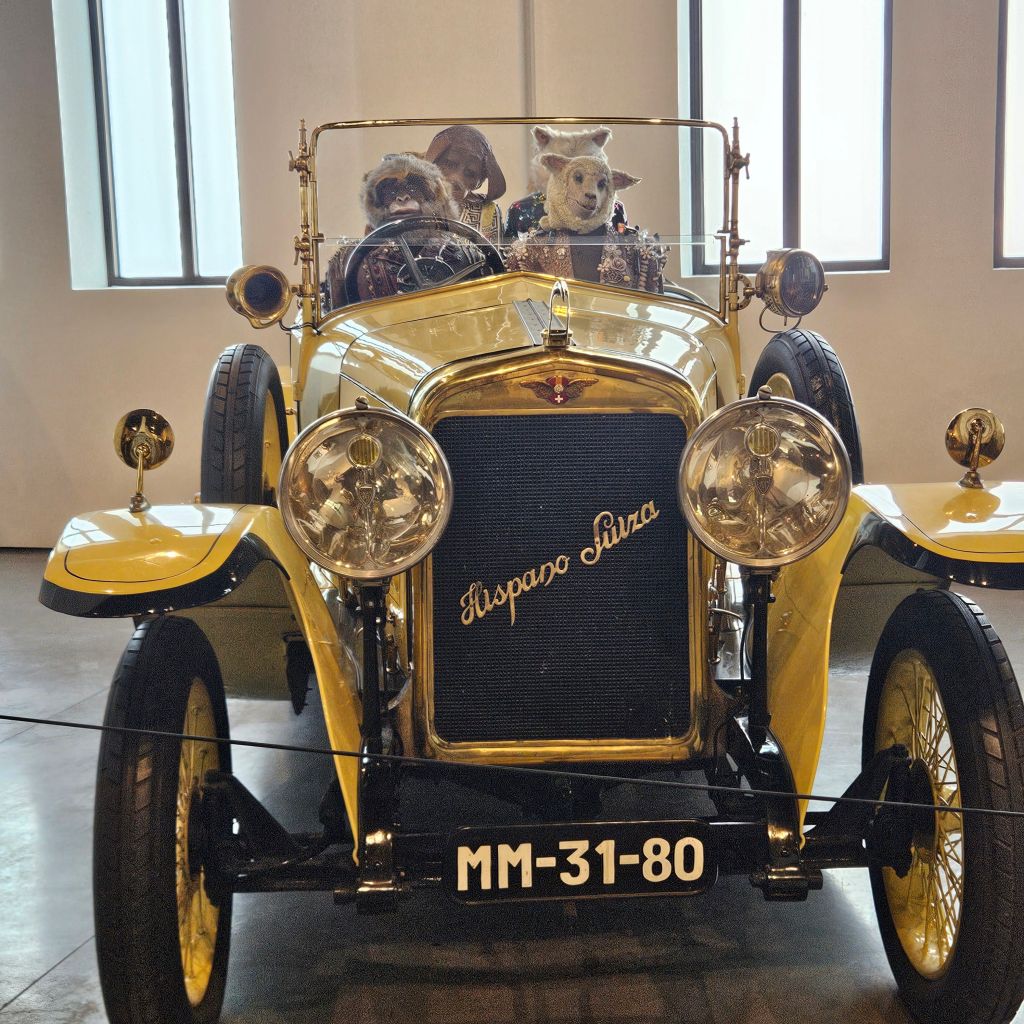
And a 1923 Hispano Suiza, with an assortment of stuffed animal passengers, decked out in high fashion:
And for those of you who wonder what it’s like for me to travel around alone? It’s okay…I can do it and I can still have a great time. Meals are hardest. I have yet to see anyone else at breakfast or dinner eating alone. Everyone belongs somewhere, a couple, a family group…and I do feel a certain vulnerability, sitting there alone…like I want to validate my connection to society…that, hey everyone, I did once have a person and he was taken away from me. But of course I can’t and all of this will be part of some (necessary, cruel, ordinary) learning experience for me.
I have another day in Malaga and then I’m heading to Cordoba to meet my Rick Steves’ Andalusia tour, so I’ll talk with you all in a couple of days.
 Travels with Valerie