One thing that must be hard for any of you that read this for travel information is that your world of knowledge is limited to what I feel like writing about.
You’re all going to come away with very little knowledge of Granada, even though I admit it’s a major stop on any tour of southern Spain. Granada and I just didn’t click. There is a seriously major site in Granada – the Alhmabra:
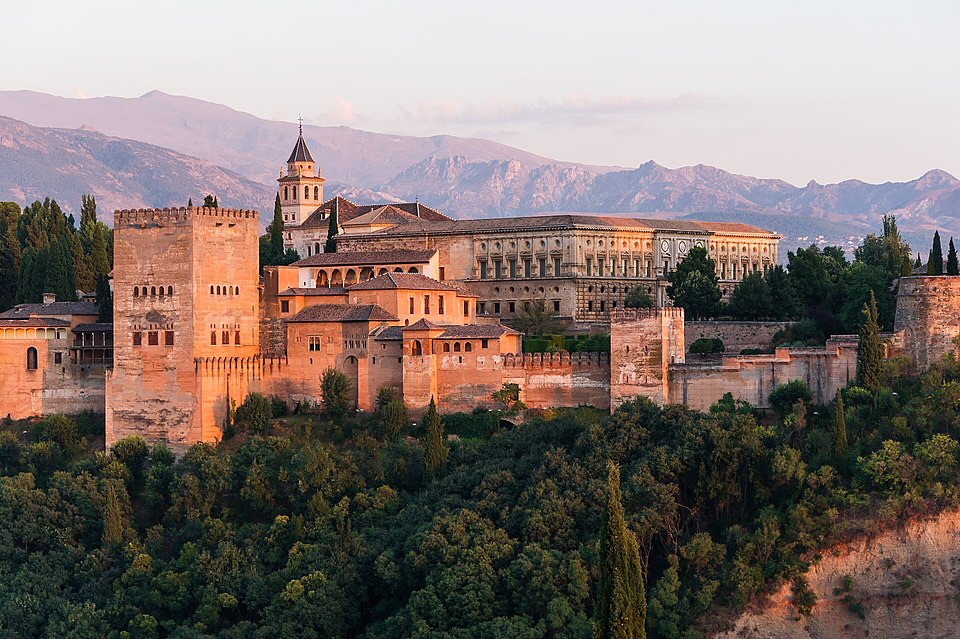
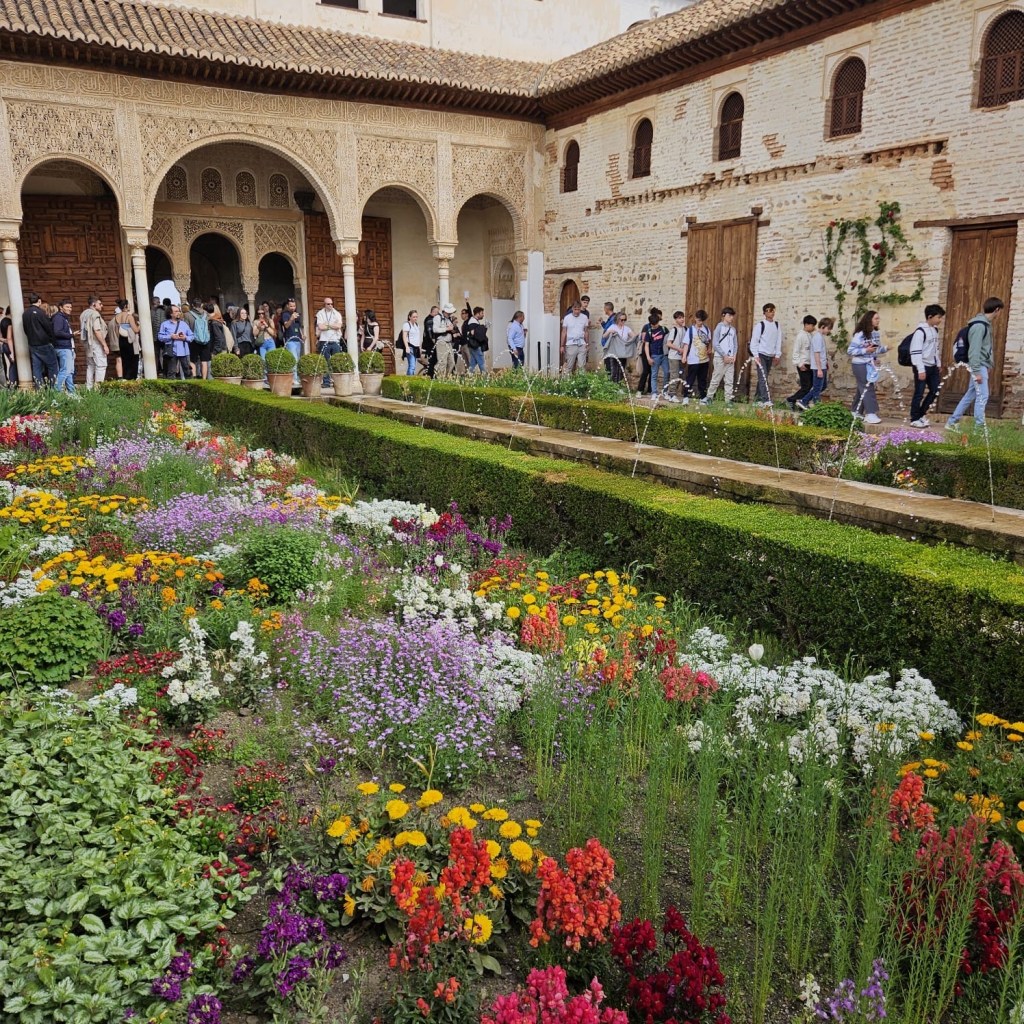
It was built in the 13th century as a medieval Islamic palace and the most dominant architectural theme I noticed is – despite strictly limited ticket sales – it’s quite crowded:
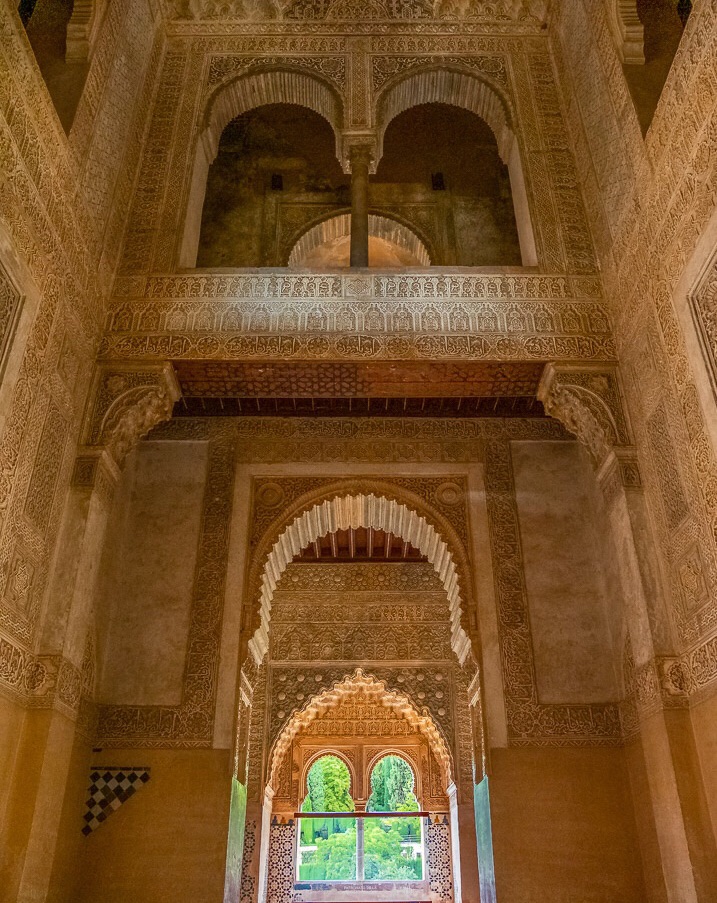
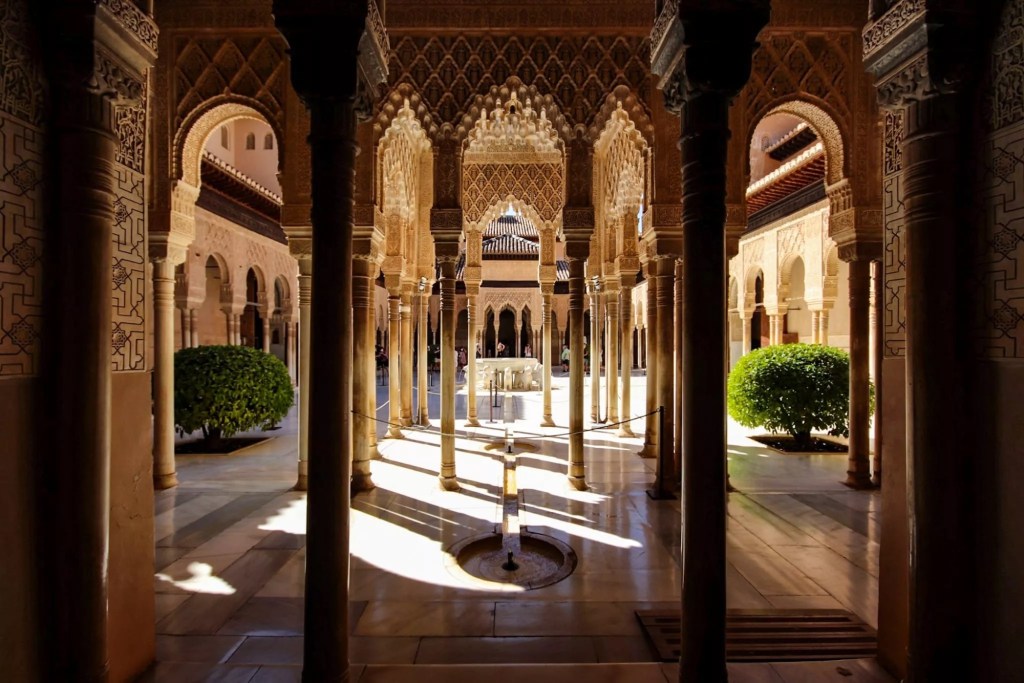
But here are a few more shots (none mine – I was trying not to trip in there):

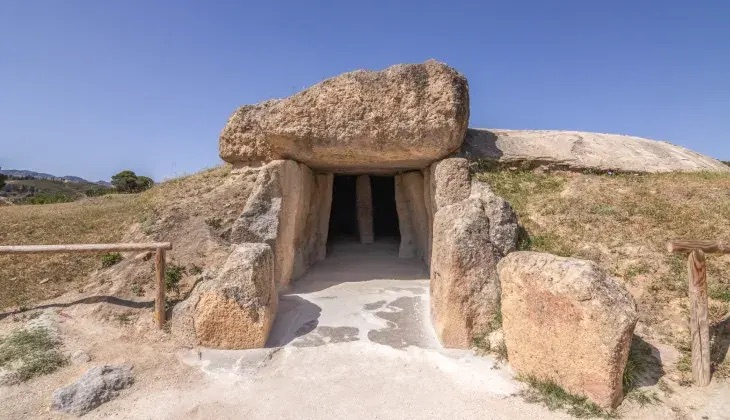
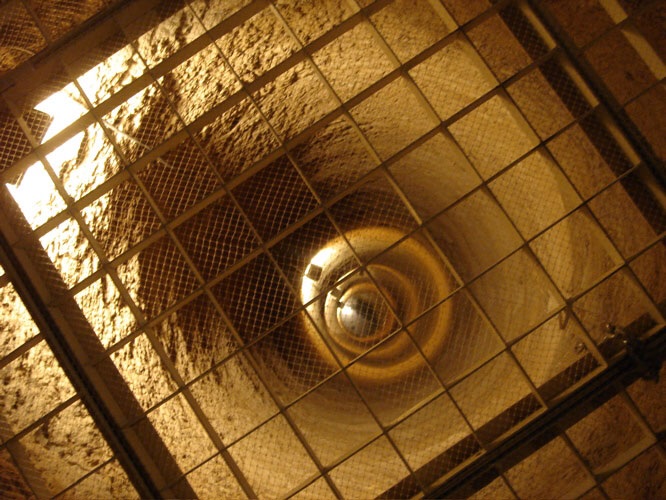
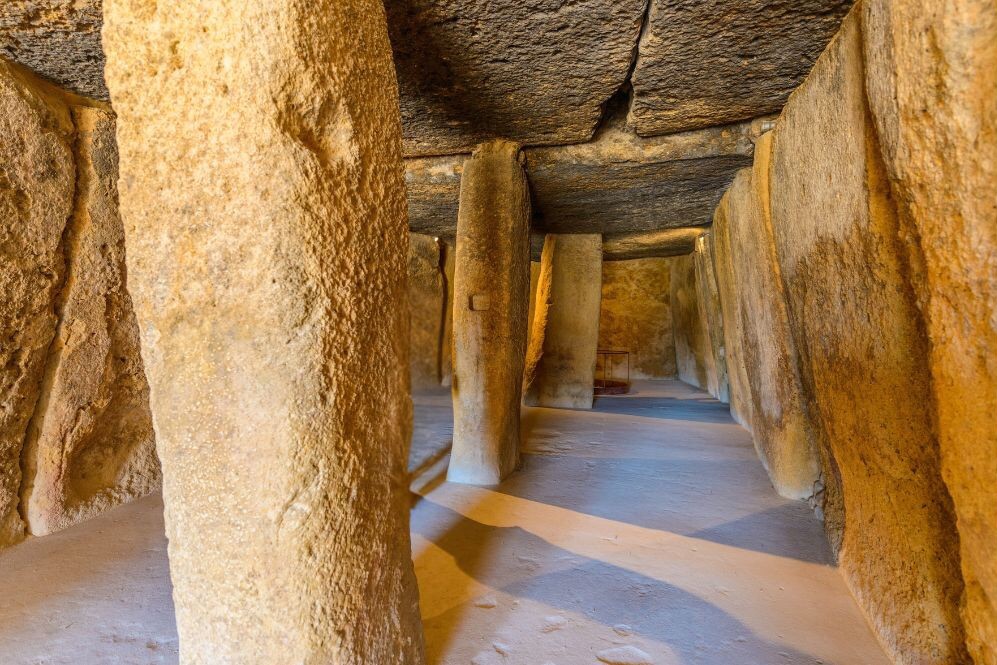
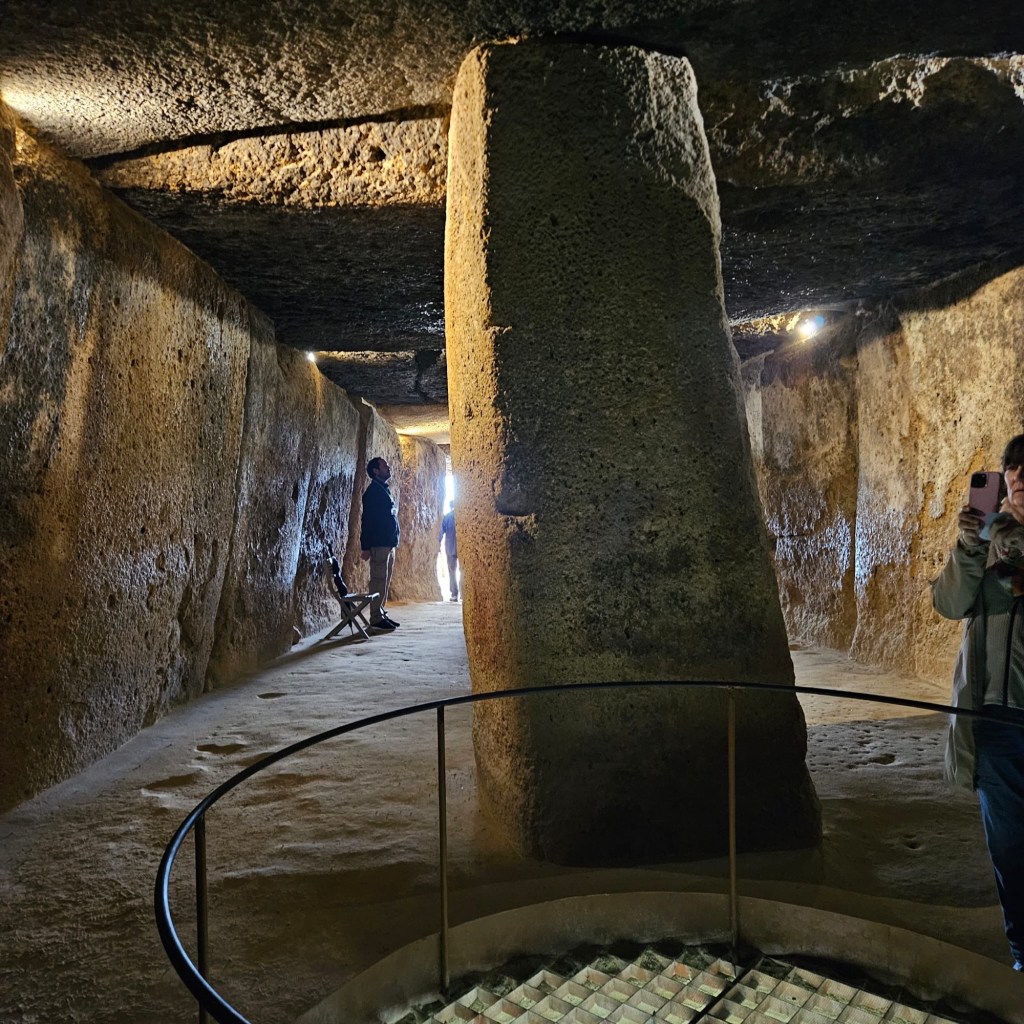
From Granada, we made a quick stop at the Dolmen of Menga outside the small city of Antequera. I have been to other prehistoric sites without really understanding the profound significance of what I was looking at, but these blew me away. This dolmen proves the local residents had a strong grasp of math, load-bearing, fitted stone engineering, and water dynamics – nearly 6000 years ago!
There is somehow a 64-foot deep well built right into it:
Here is one of the chambers on the site. It’s about 6000 years old and was built to be a funerary-type structure:
Here’s what it looks like from afar:

I know that most of you won’t watch a video, but I’m putting one here anyways. Learning how the people made the site is what really made it magical for me and you can see the ingenuity of the group work that created this site – people chiseling, levering, and rolling massive stones on series of logs:
https://youtu.be/IkKuNYDkyLA?si=BoR-sr66seaLMaXS
We also made a quick overnight stop in Ronda, where we had just one afternoon to see this beautiful town – so it was key to use my time wisely. I spent my first hour there relaxing in a chair/hosting a couple of repairman in my hotel room, enjoying the “sites” of Ronda as I watched them climb up and down a ladder, trying to turn on my ventilation system.
Ronda is full of beautiful vistas and I think that’s why many ordinary travel people stop there – ignorantly foregoing all opportunity to watch HVAC repair in action:
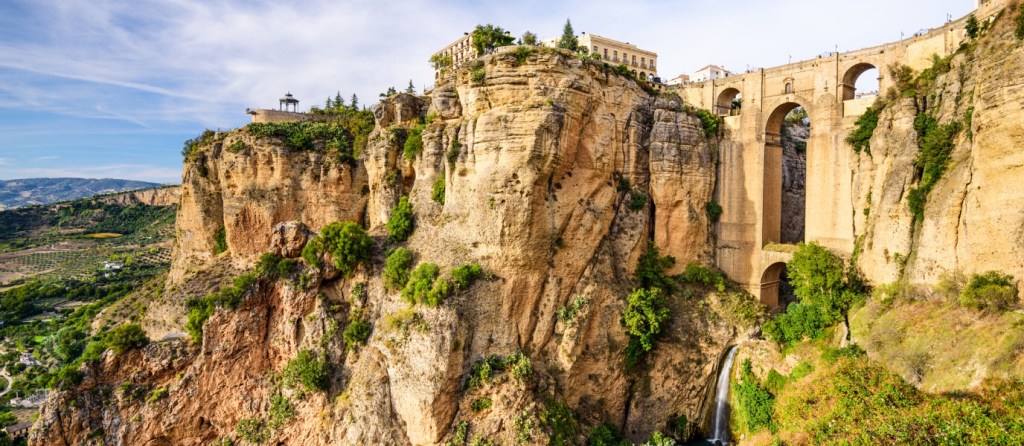

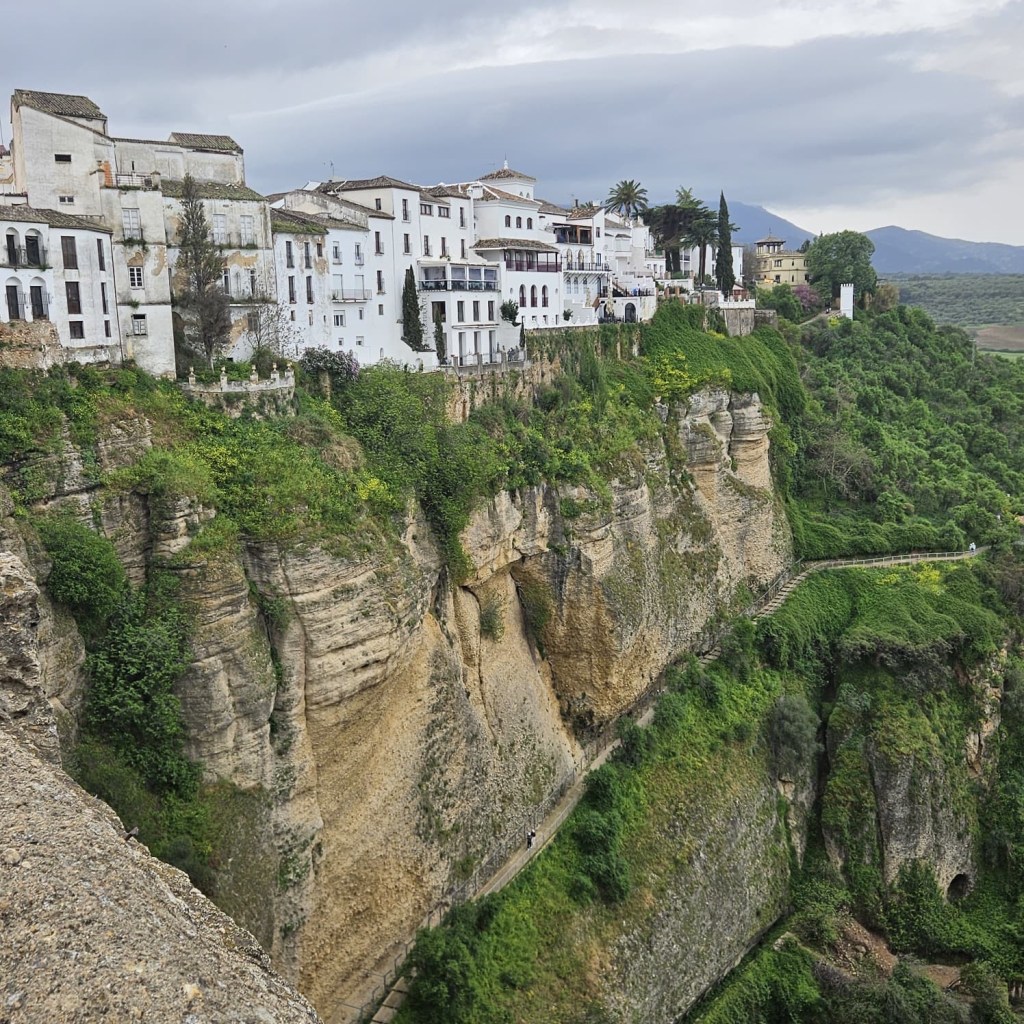
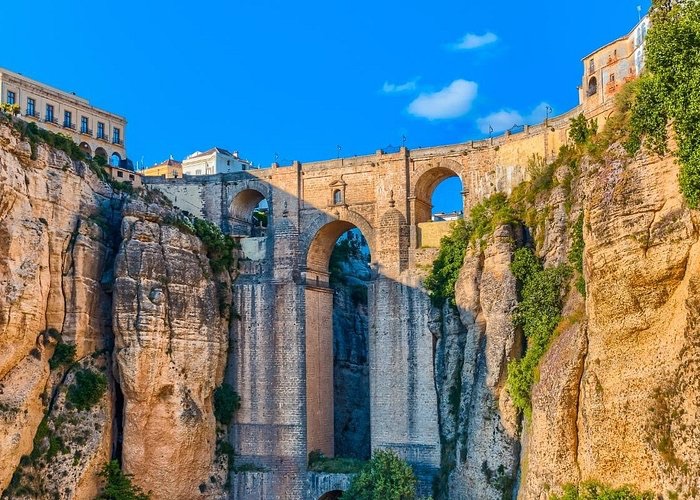
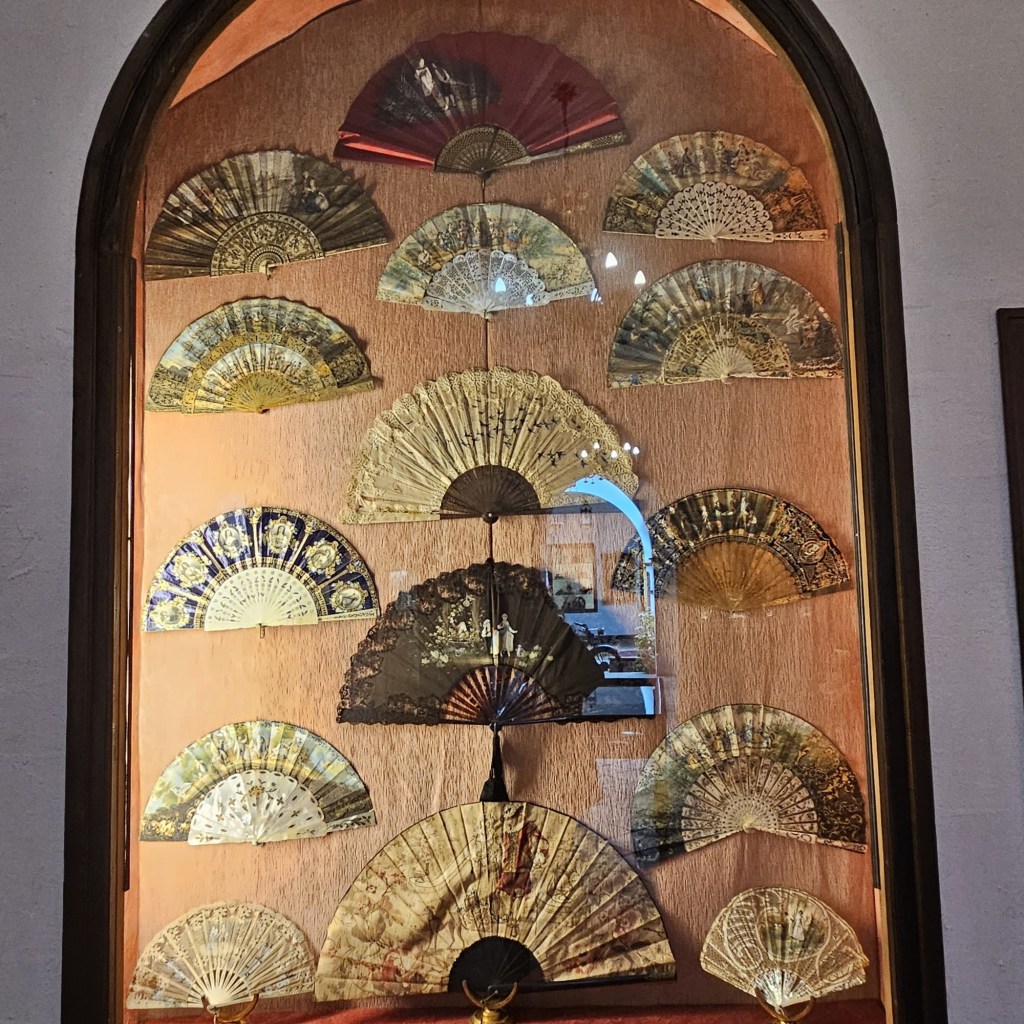
Once I had finished hosting my Ronda repairman friends, I ventured out in search of a tourist site that I could see before everything closed for the night. I chose the first site I came upon, which was the Casa Palacio Museo Lara, in an 18th century noble house. This private collection is a reminder of how much I love a museum that has no Board of Directors to oversee display installations. This is just an offering of everything that Juan Antonio Lara Jury managed to get ahold of during his life, starting at age 12. Here are a few of the focus areas – starting with pleasant collections of fans, typewriters, and microscopes:
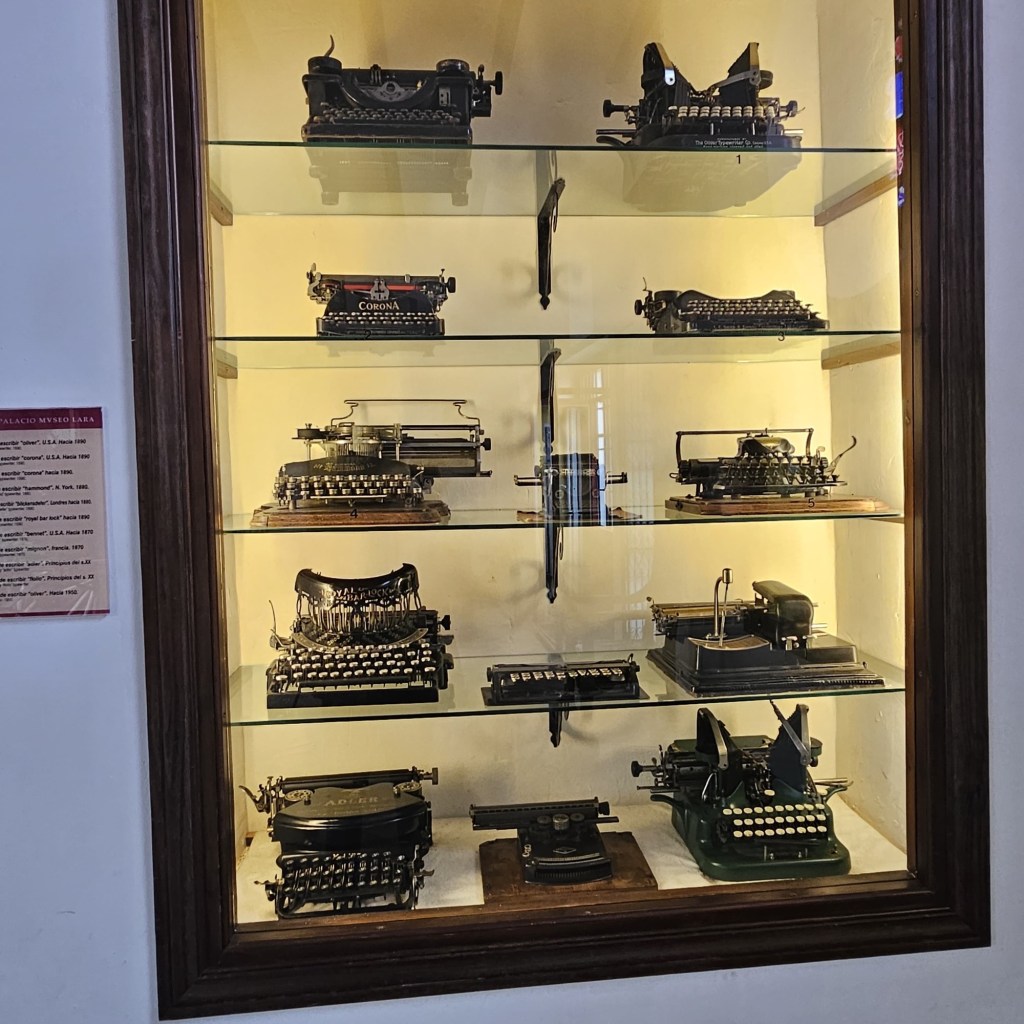
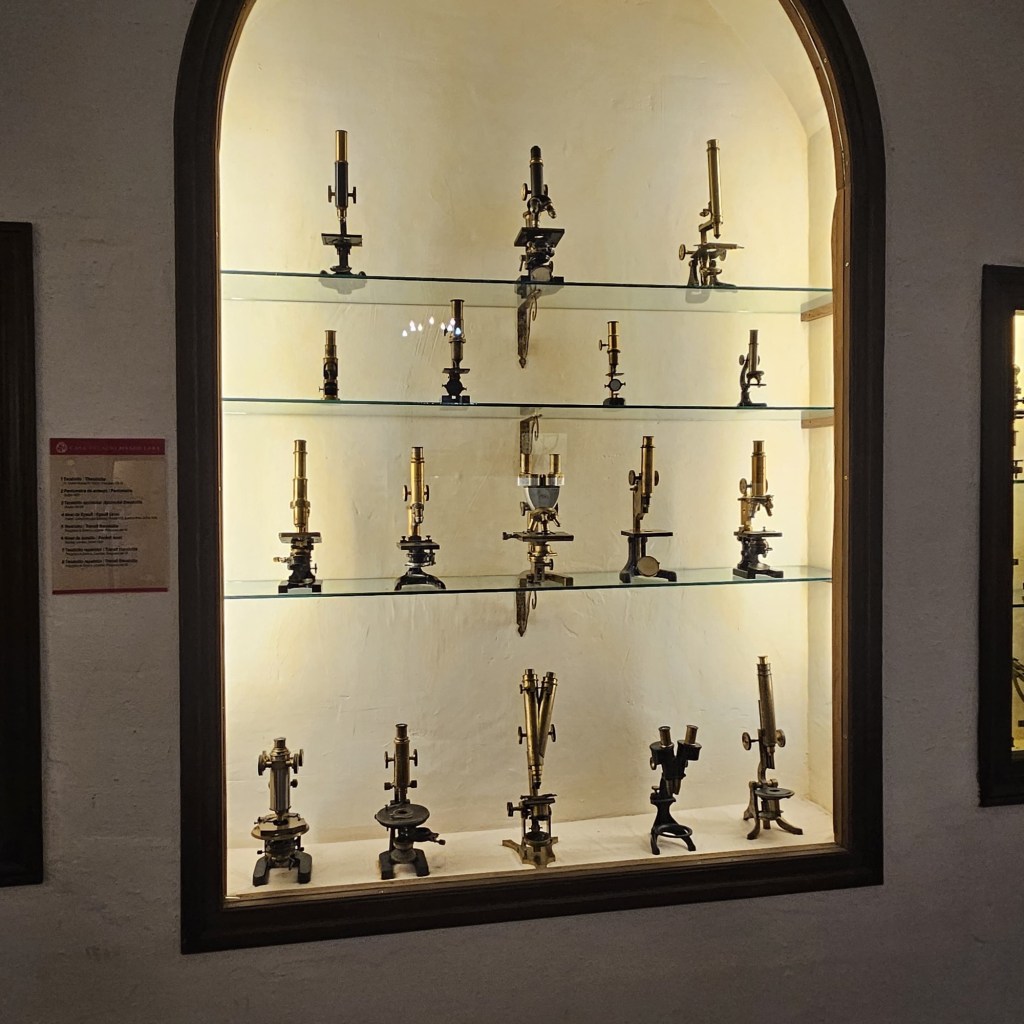
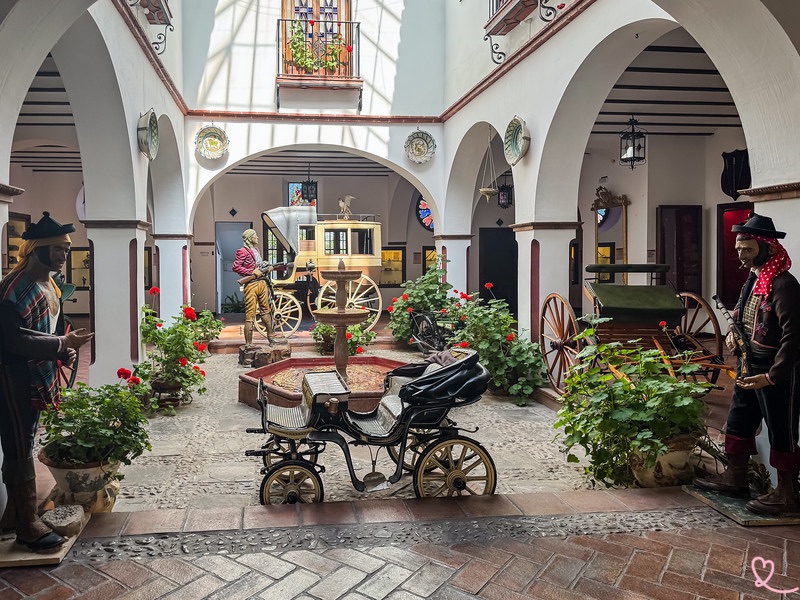
He had a cheerful and misleading inner courtyard with coaches on display:
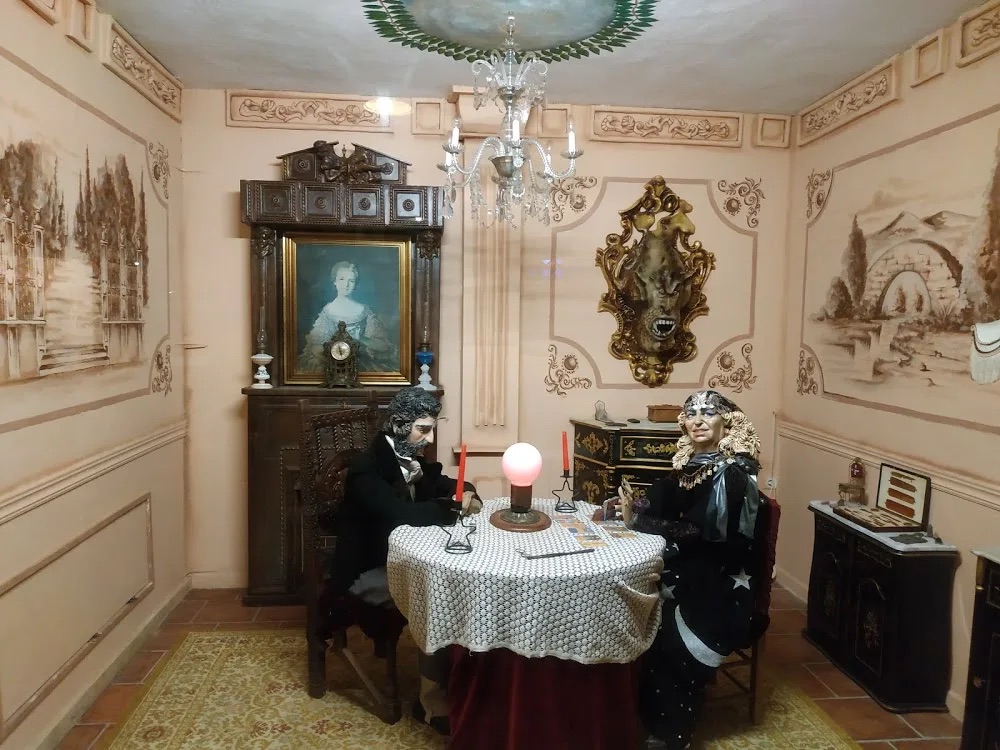
Things took a dark turn downstairs, with seance equipment and inquisition-type displays:


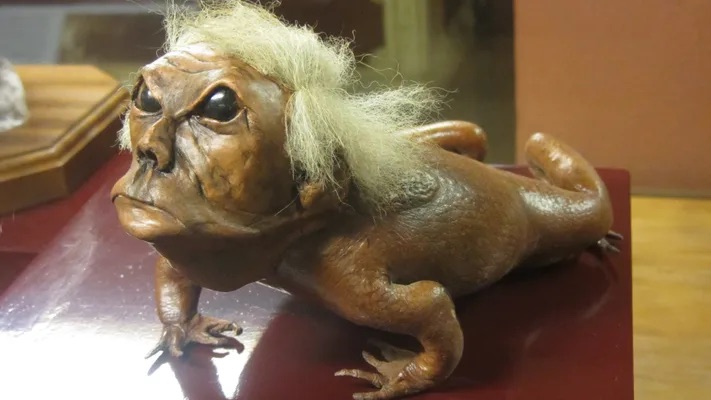
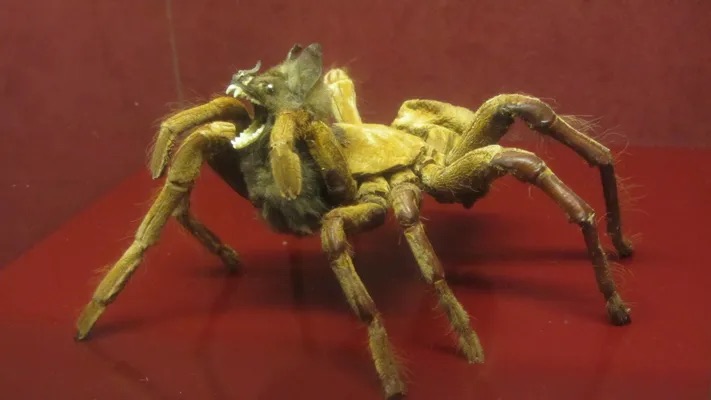
And then there was this section of things that were not completely real, but were displayed as if they were scientific factual offerings:
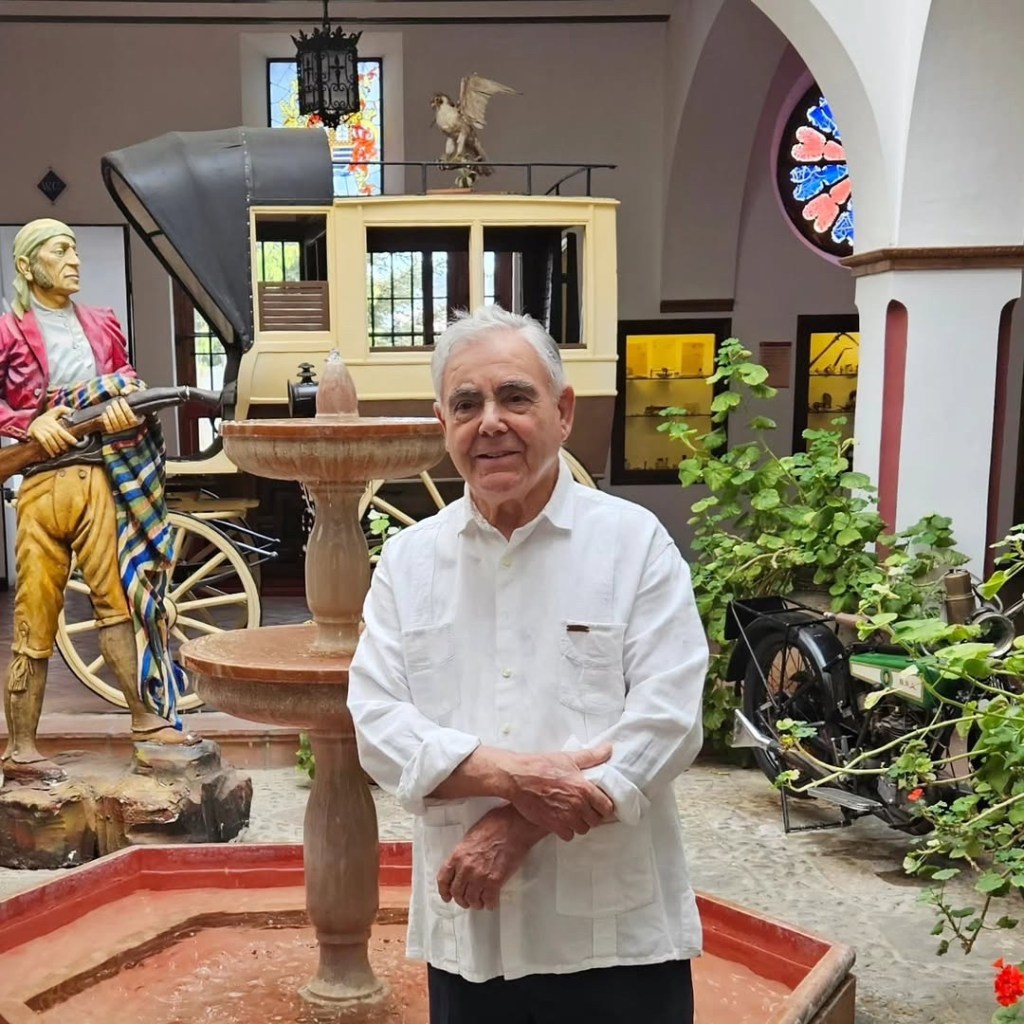
Here’s the mastermind behind the entire place – Juan Antonio – who apparently used to wander the museum, answering questions about his beloved collections.
Here are a couple of other things that make Ronda such a special place.
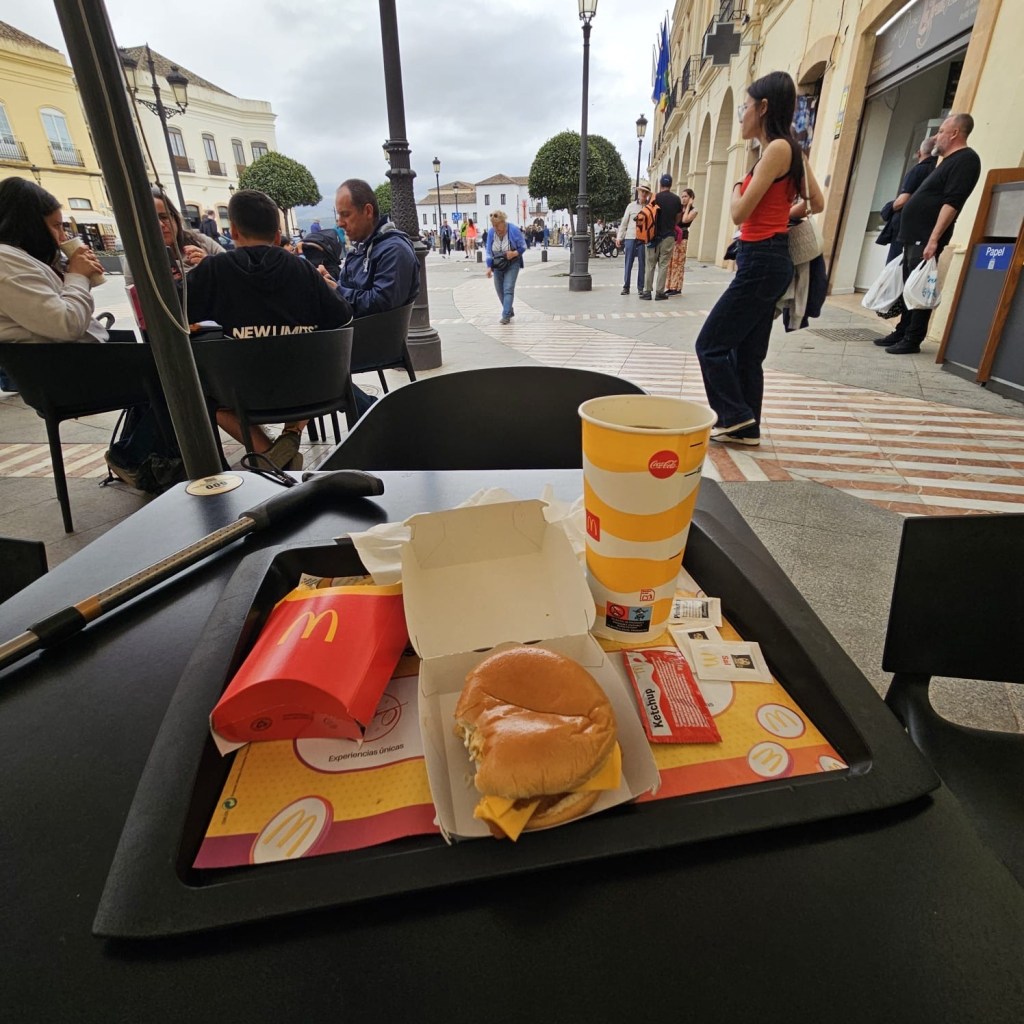
My first Filet-o-Fish of the trip:
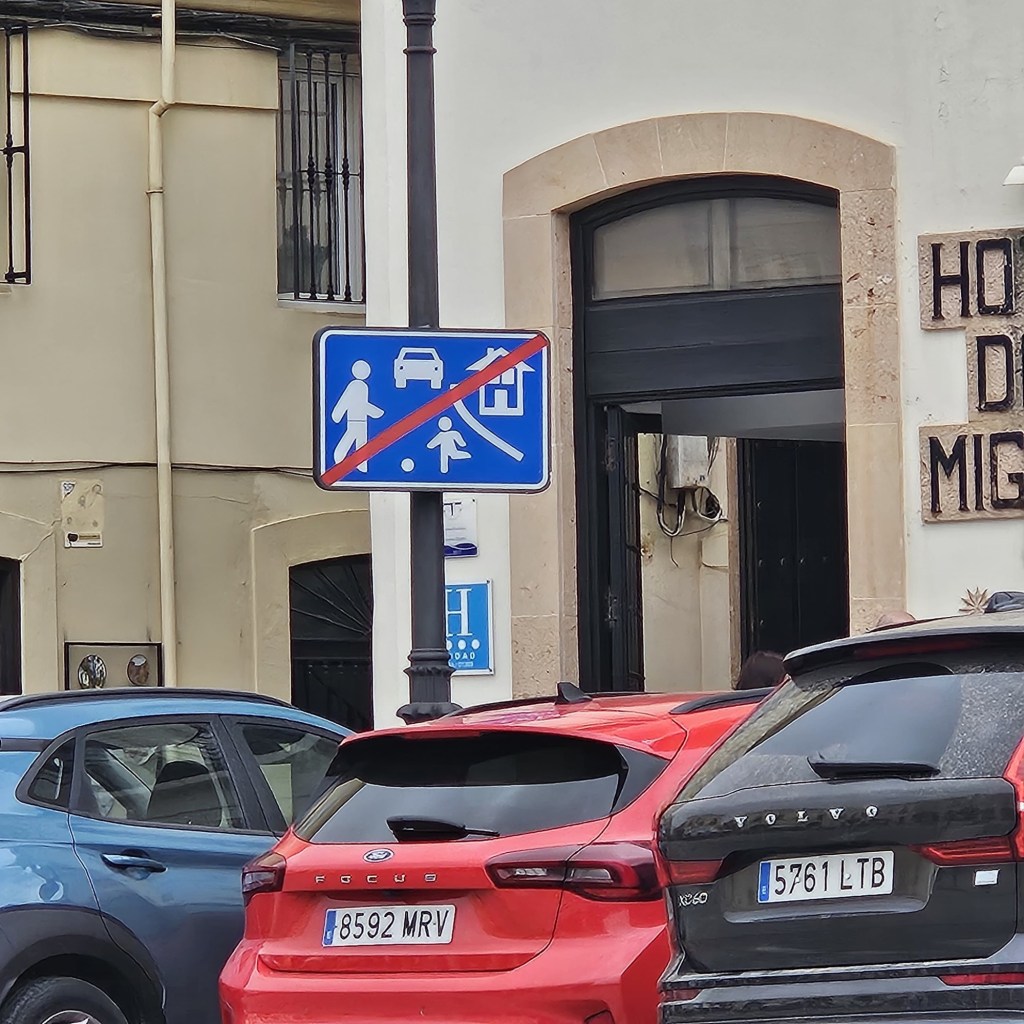
And then this sign on the main square, meaning unclear – open to your suggestions:
I’m in Seville on my own for a few days before I head up to Madrid to meet my next tour group. I’m doing a Road Scholar: Spanish Art tour, where I am apparently going to learn how to connect the lives, works, and schools of Velazquez, Goya, and El Greco to modern masters Picasso, Miro, and Dali. The Road Scholar tour documents seem quite confident that they can help me understand this but I know the rest of us have our doubts.
Many of you are aware that I gravitate towards two artistic schools: 1) art that is so large that one piece fills an entire hall and 2) art that lights up/flashes at me. It will be interesting to synthesize these pre-existing art appreciation skills with Road Scholar’s goals for me.
I hope that everyone on my new tour is as kind as everyone on my Rick Steves tour. That Rick Steves group of Birding Knitters didn’t care at all that my real passion was HVAC repair observation and accepted me as one of their own. Hopefully the Road Scholar art historians will similarly welcome me as they notice I don’t “appreciate” art as much as I “walk right by it” on the way to the snack bar.
I’ll be back with you soon with some pictures of gorgeous Seville.
 Travels with Valerie