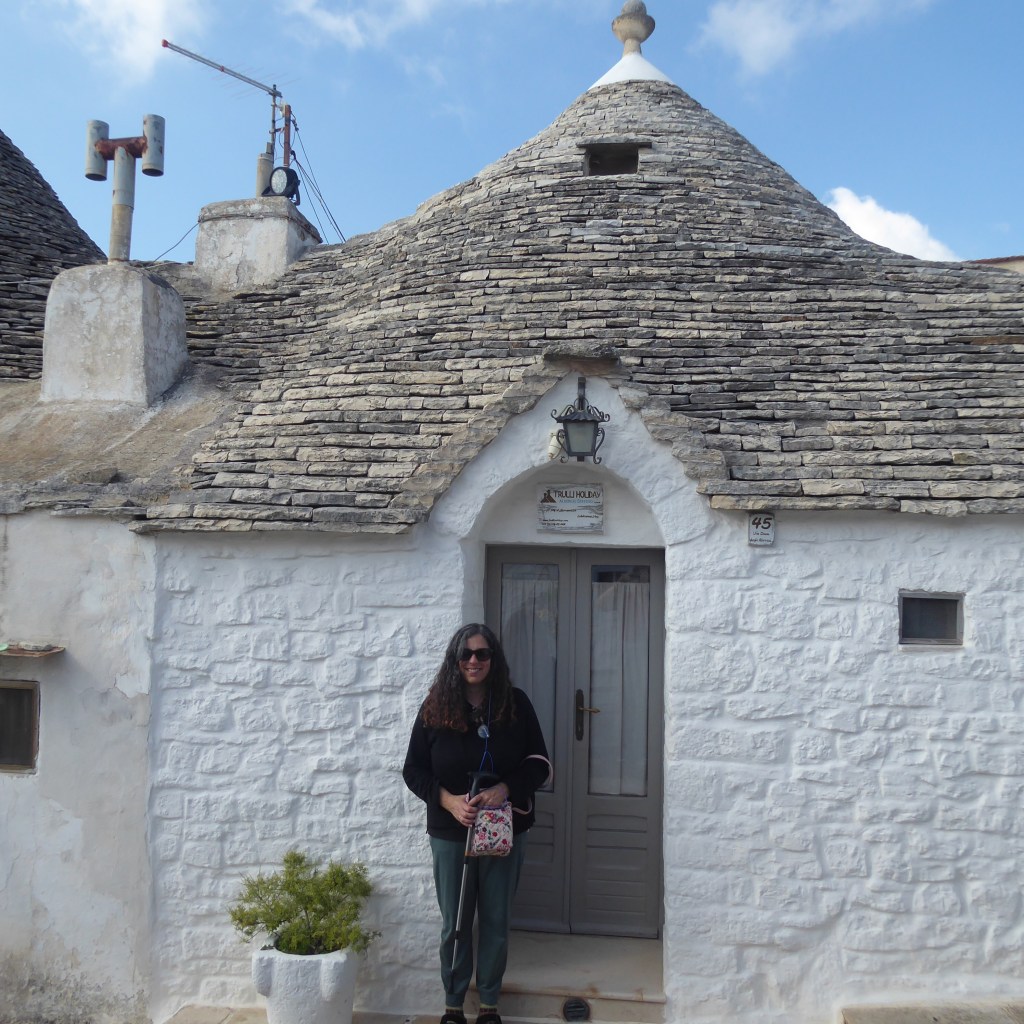
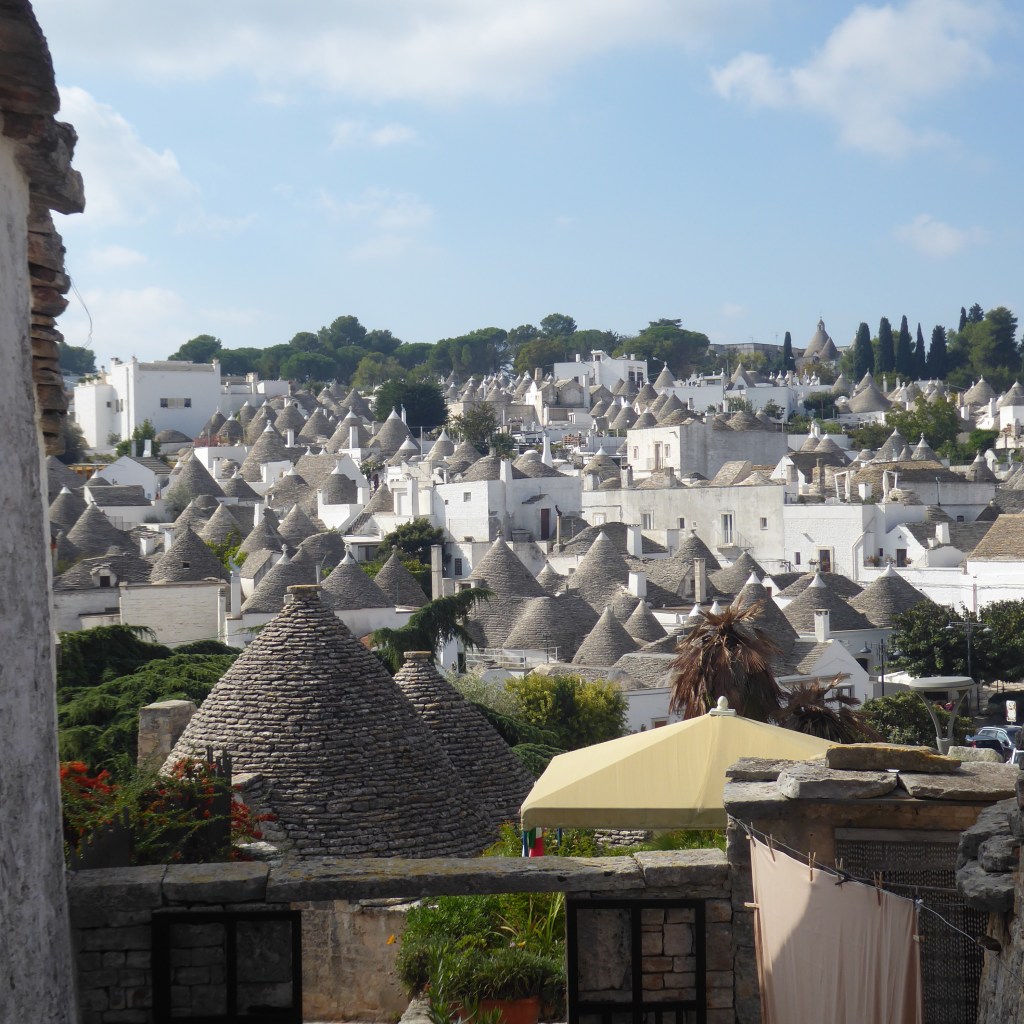
Today is the day that I take the next step in my architectural journey. Emanuela is leading our Road Scholar group to Alberobello, home of Trulli architecture like this. I have been waiting to get to Alberobello for at least 10 years.
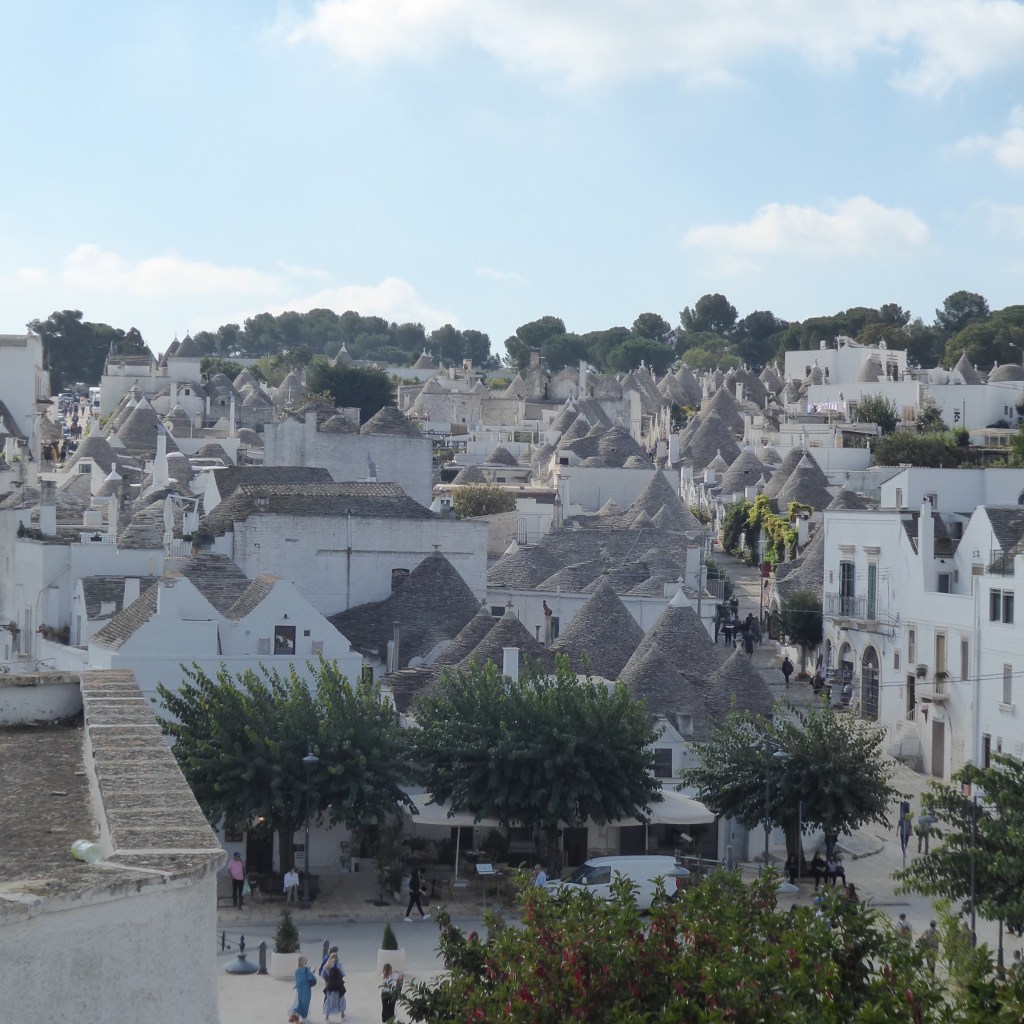
Before we set out, Emanuela went over the itinerary for the entire day and she said that – after we see Alberobello and another village, we will be coming back to the hotel for a cooking lesson and a cheese making lesson, which I thought sounded exciting.
But Ron marched right back to our hotel room after the group meeting and pulled out our tour itinerary and read the entire day to me – and then firmly pointed out that there is no notation whatsoever about a cooking demonstration. And he sounded outraged in the same way you or I might feel about finding out Road Scholar has included a complimentary root canal or colonoscopy in the middle of the tour.
(Note: hours later, as we had lunch with our tour mates, the subject of the cooking lesson came up and Ron, hoping to explain his limited enthusiasm, I guess, told everyone that he just likes his food served to him on a plate and therefore has no need to cook).
Given Ron’s panicked response to a cooking lesson, I should not have been surprised by his behavior in the one hour architecture lesson. Emanuela gave us a fabulous overview of the design and social history of the Trulli homes and I could never relax and enjoy the information or the slideshow because I was worried Ron might drift off. Focus is not his strong point – especially right after breakfast.
Most of Alberobello’s Trulli architecture is from the mid 1600s. The structures were built using local limestone, carefully placed, counterweighted, and balanced so that the use of mortar could be avoided. If there was no use of mortar in a building, the obligation to pay taxes could be avoided.
To be clear, it was not the peasant Trulli residents who were avoiding taxes: it was the landowning Counts – who forbade the residents from using mortar so the Counts could avoid tax payments to the King of Naples and his tax collectors.
In 1797, the peasants, tired of constantly rebuilding the mortarless Trulli to save the Counts some cash, appealed directly to the King – Ferdinand IV – and the city was freed from feudal rule and was suddenly awash in mortar!
The Trulli were fortified, strengthened, and whitewashed and just look at them now!
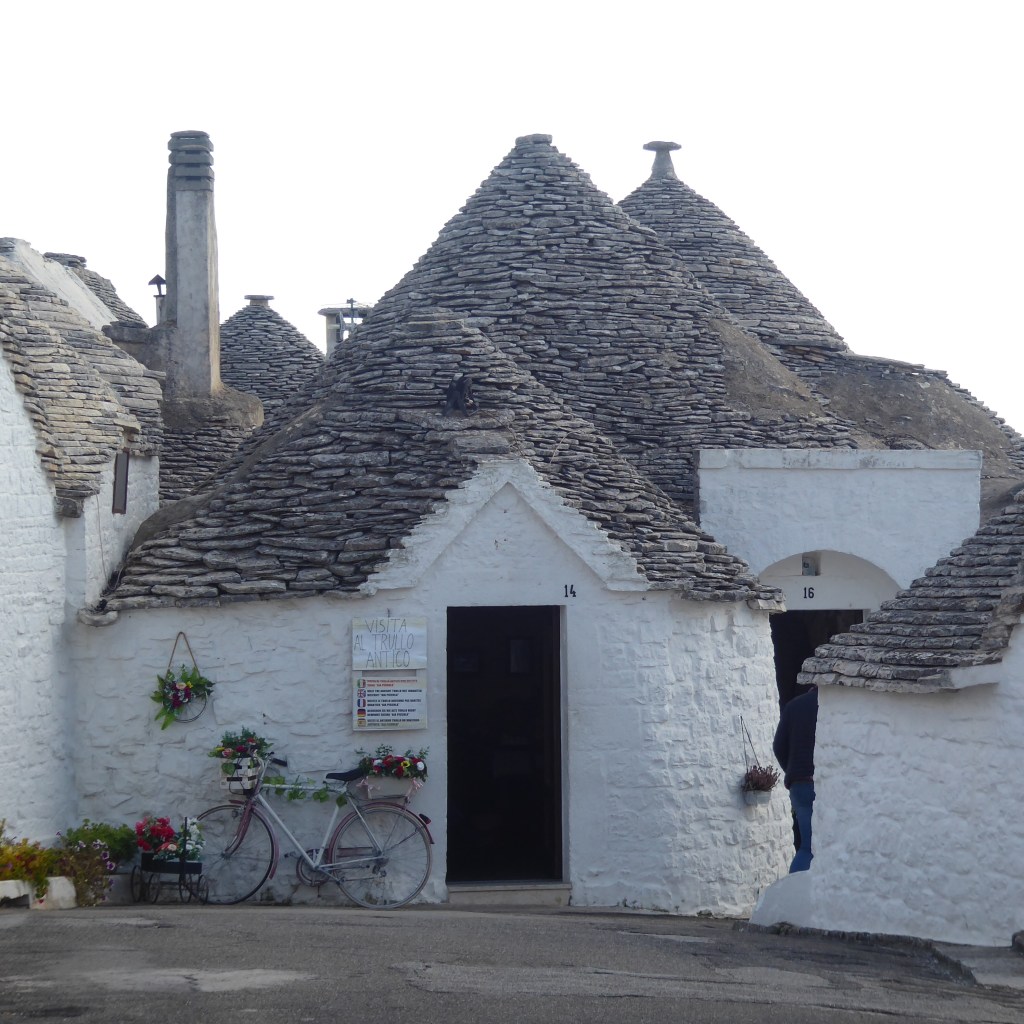
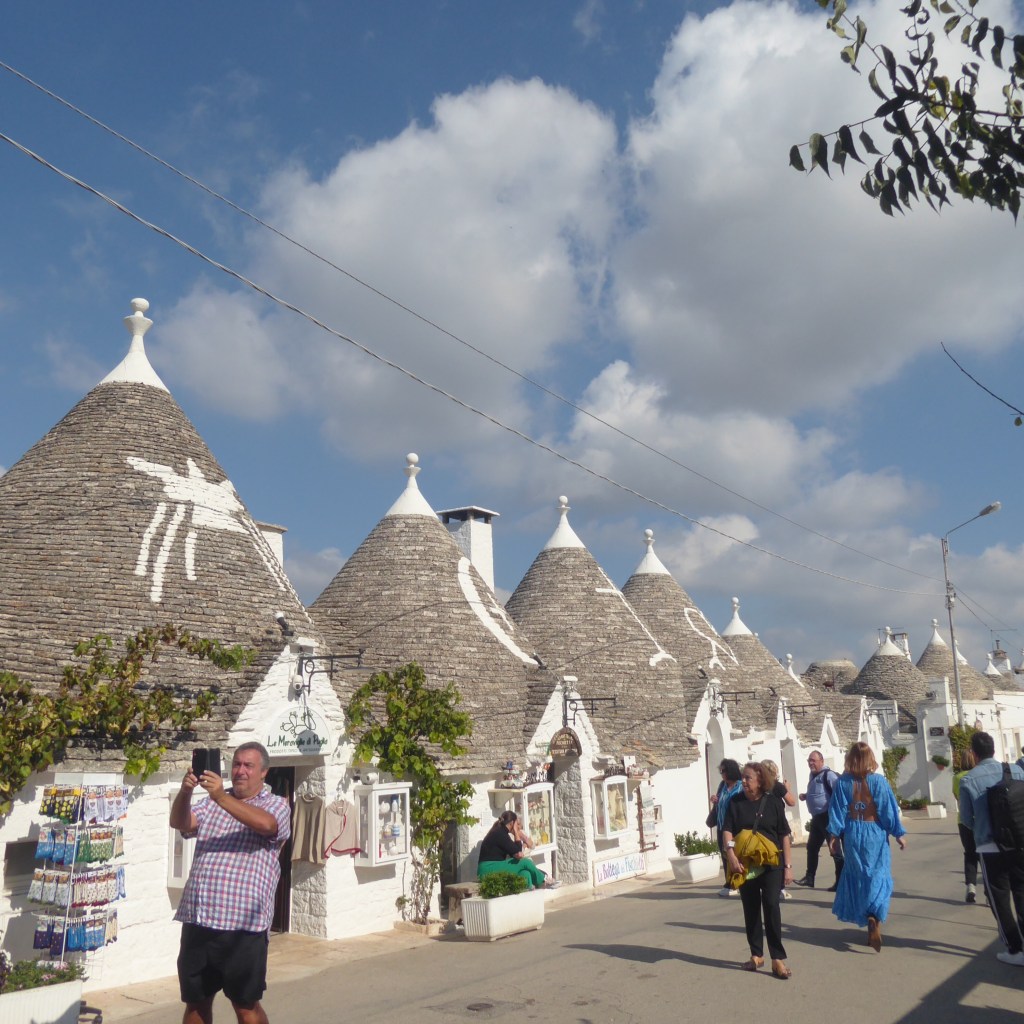
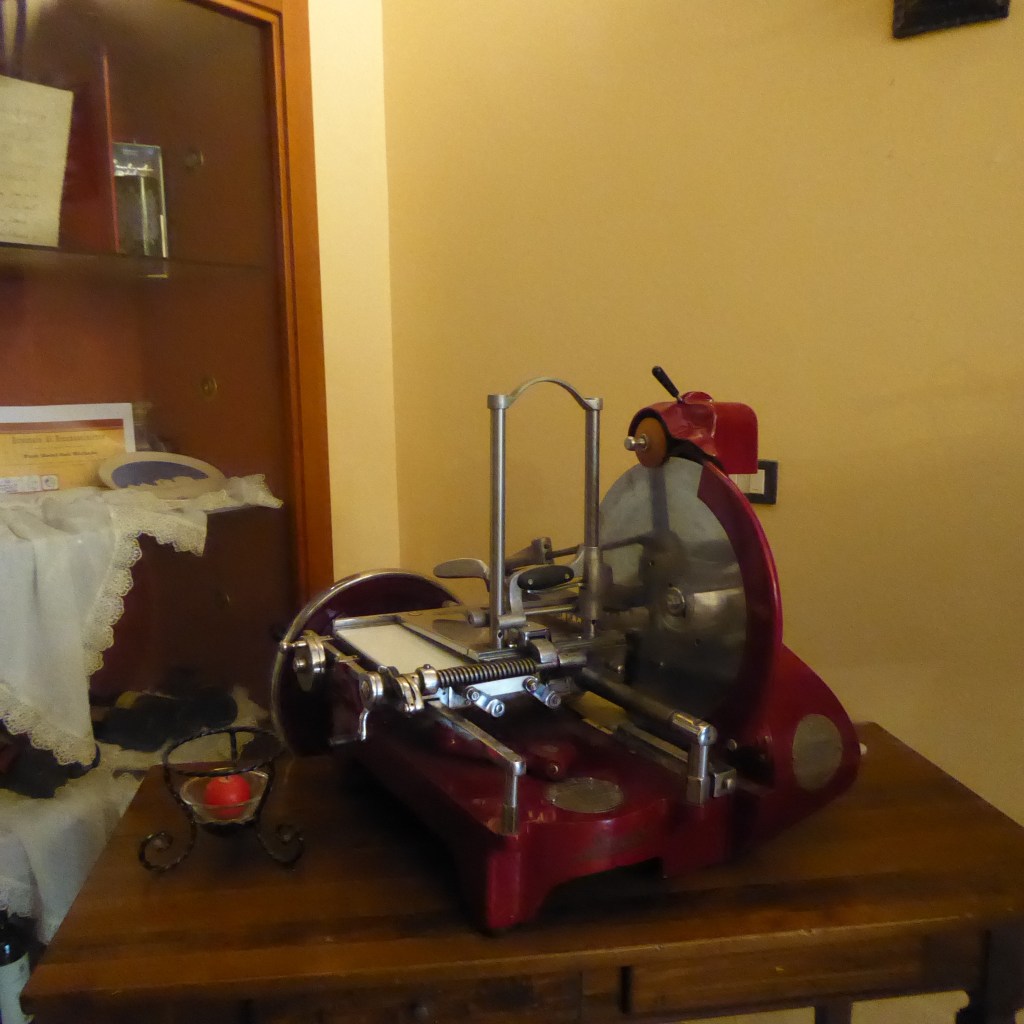
Traveling with Ron helps me accept that not all things appeal to all people. And so for those of you that are somehow not teary-eyed at this architectural wonder, I did see some other things of interest today. One thing I noticed is a dangerously sharp object theme, if that’s more to your liking. This, proudly displayed in the lobby of our hotel, and available for random guest use (of note was a nearby piano that had a Do Not Touch sign on it – but meat slicer is a thumbs up, I guess):
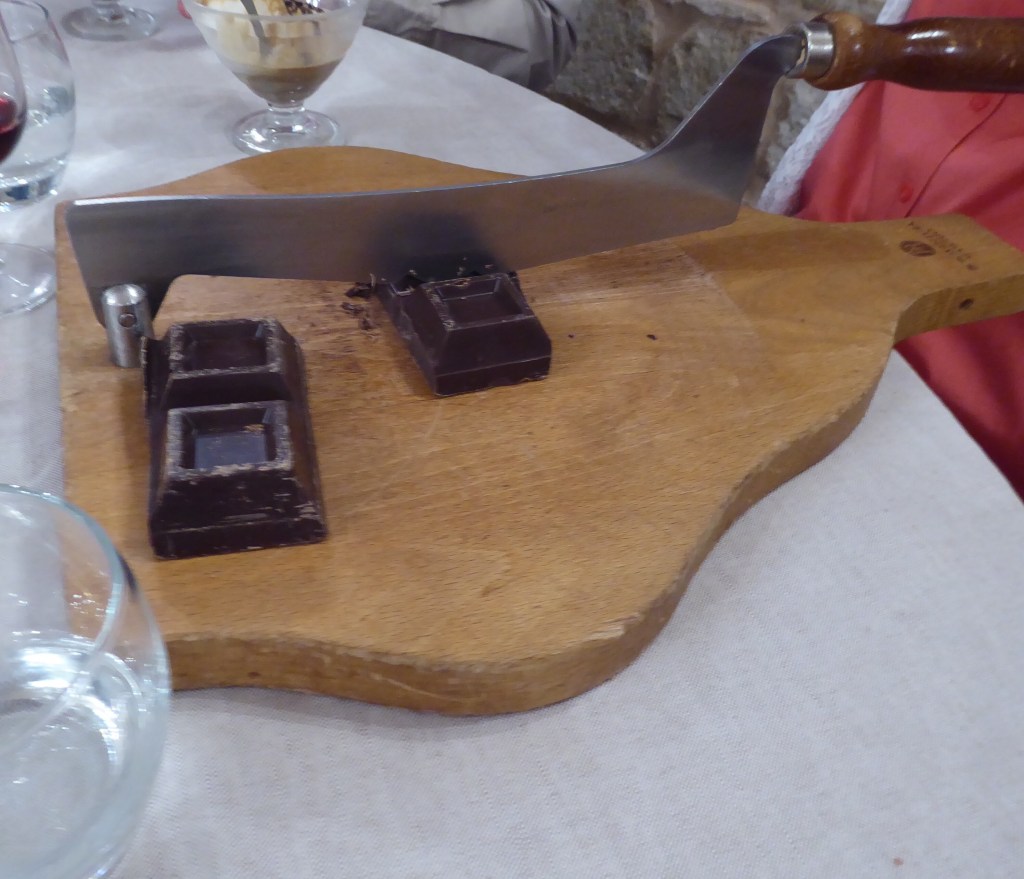
And this, handed blithely out to us with no training whatsoever at our lunch stop…after some free flowing wine…so we could hatchet our dark chocolate and/or our fingers into smaller pieces!
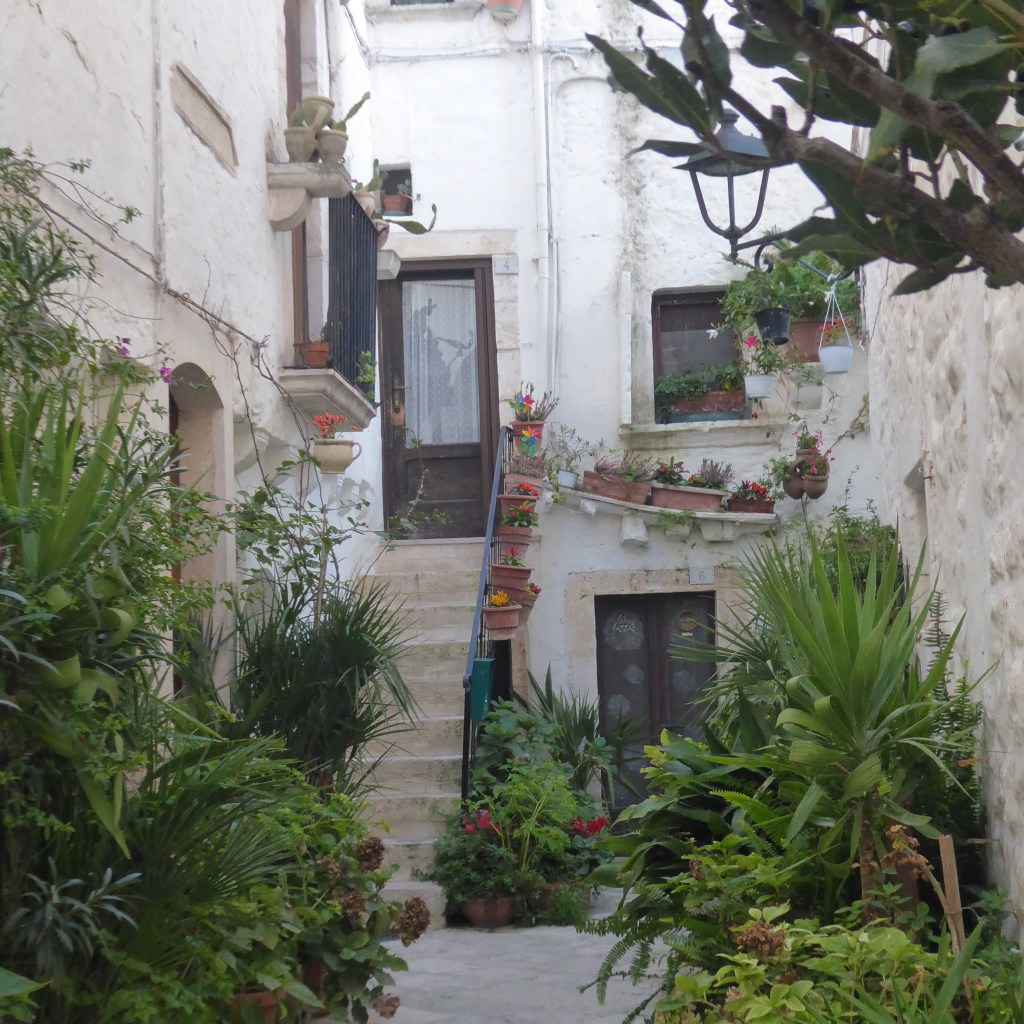
In an effort to make everyone happy, I offer you a couple of non-Trulli and non-cleaving/severing pics from the day – these are from a brief stop in the village of Locorotondo
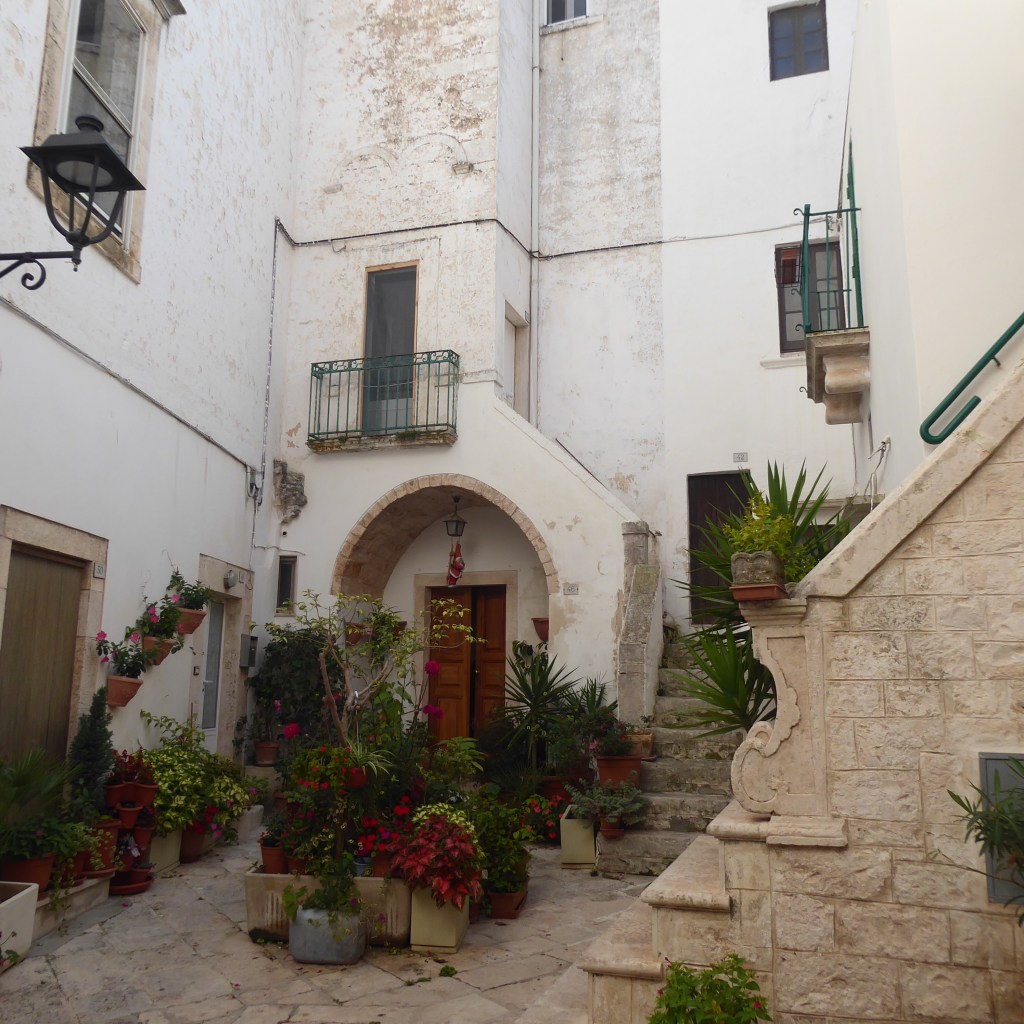
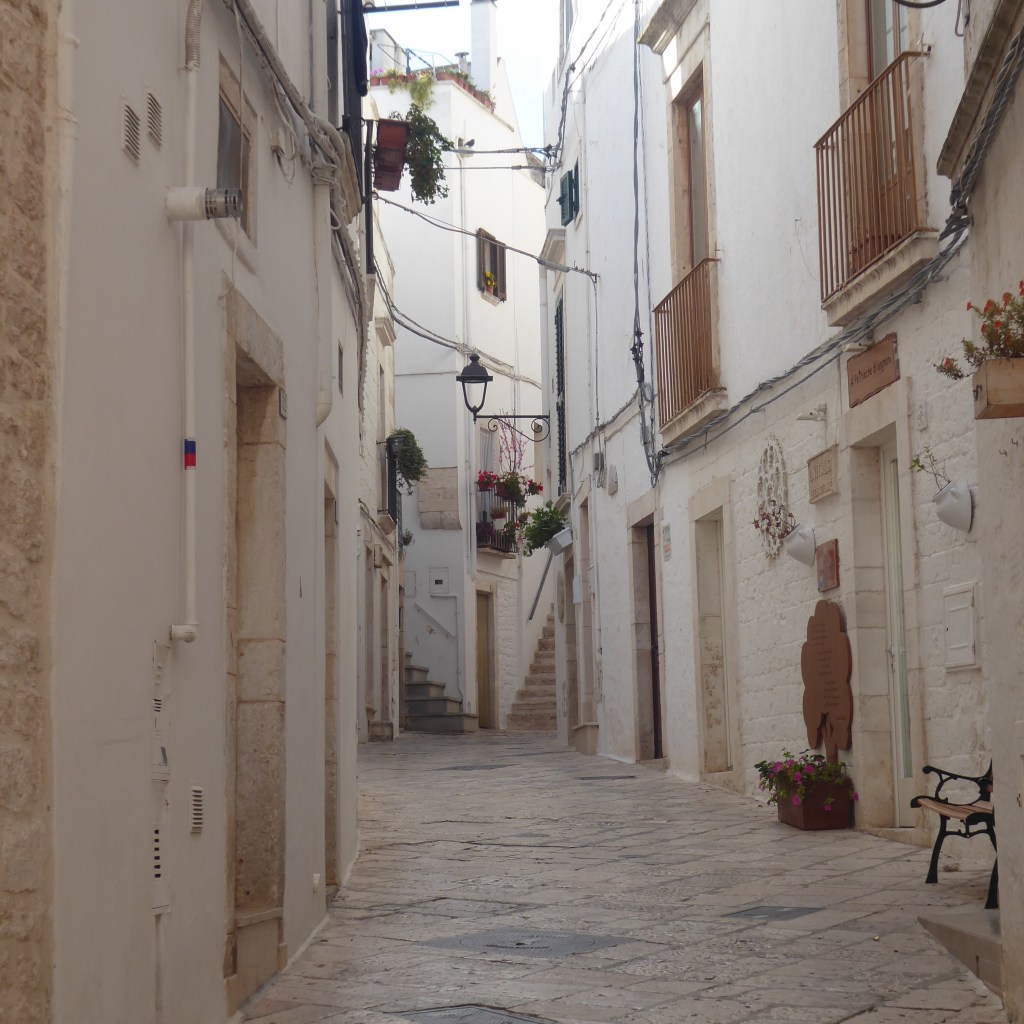
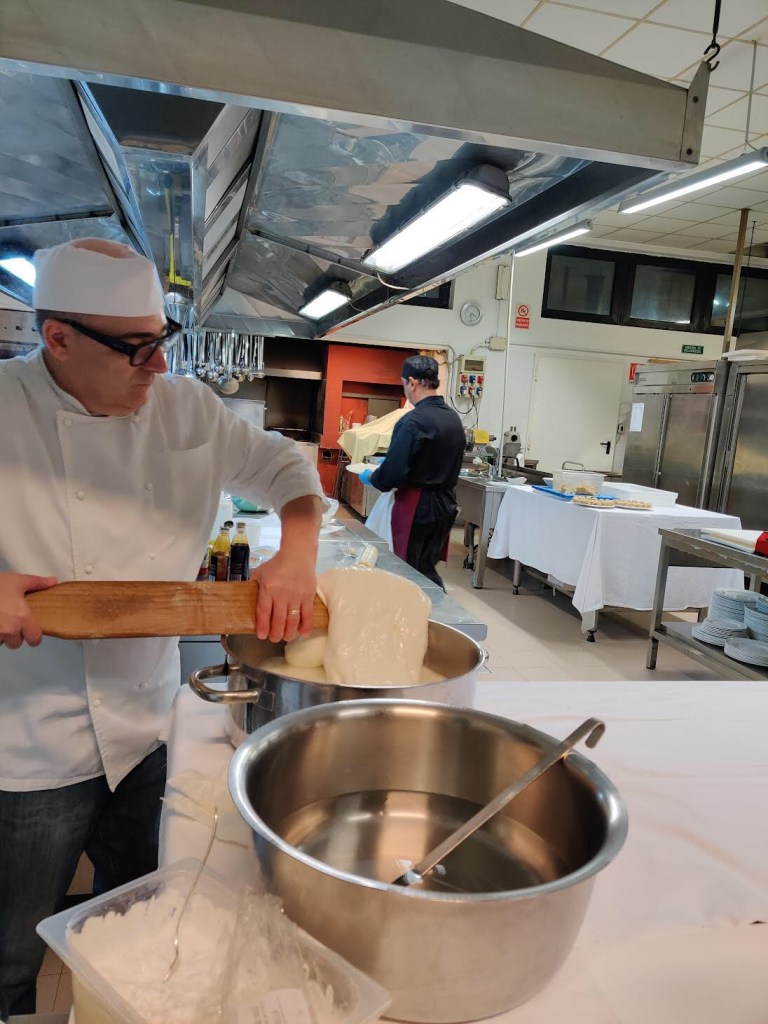
And here’s my final attempt – in case, unlike Ron, you want to see what your food looked like before it hit your plate. Road Scholar got us behind the scenes at our Martina Franca hotel kitchen. (Ron remained upstairs in protest):
 Travels with Valerie
Personally, unlike Ron, I love it when cooking lessons are offered! I thought the Trulli homes interesting but my burning question is why on earth would anyone want to cut their chocolate smaller????
LikeLike
It was nuts when they delivered those to the tables – they were huge and sharp!!!!
LikeLike
I love those little Trulli houses! Never heard of them. Thanks!
Complimentary root canal 🤣
Out of office, sent from my phone.
>
LikeLike
I saw them in a travel article and needed to see them!
LikeLike
Gorgeous Village! I sense a Disney like ambiance, very clean, no crime ???
LikeLike
It was so pretty…and the architecture was just so unique! Tidy and full of shops and restaurants in the tourist center…and then people living in the rest with well taken care of courtyards and patios.
LikeLike