
I was just talking with Ron before I sat down to write this post. And he mentioned to me that the blog posts are not as funny on this trip because I don’t have him to make fun of. It’s true – without Ron complicating my plans with his (wrong) directional input or his foolish street-crossing plans, this trip is running smoothly. In addition, I suppose I should add that when we have a dedicated tour guide, a bus driver, and an air conditioned 52-seat bus, things play out better than when I’m dragging my suitcase through German/French/Italian train stations looking for the right platform, car, seat etc.
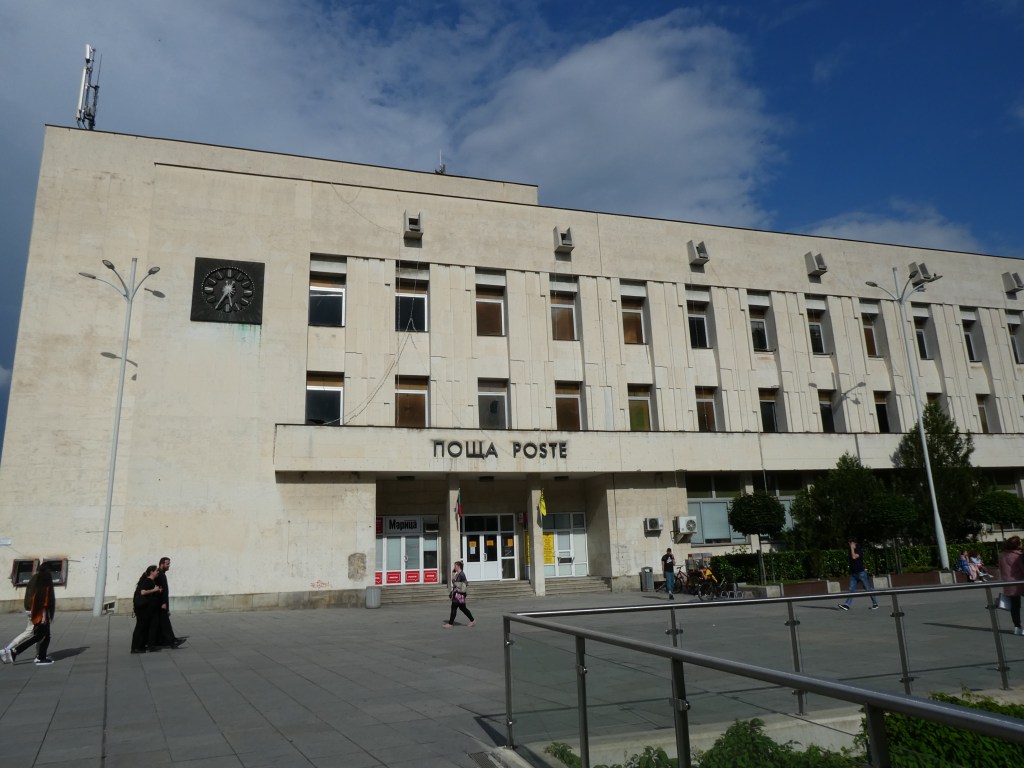
When we arrived in Plovdiv, it was not immediately clear why Odysseys had routed us through here, but I should surely learn to trust them. Sure, it sits on the pretty Maritza River and it has Europe’s longest pedestrian street – 1.8km. But it’s full of crumbling communist architecture like this:
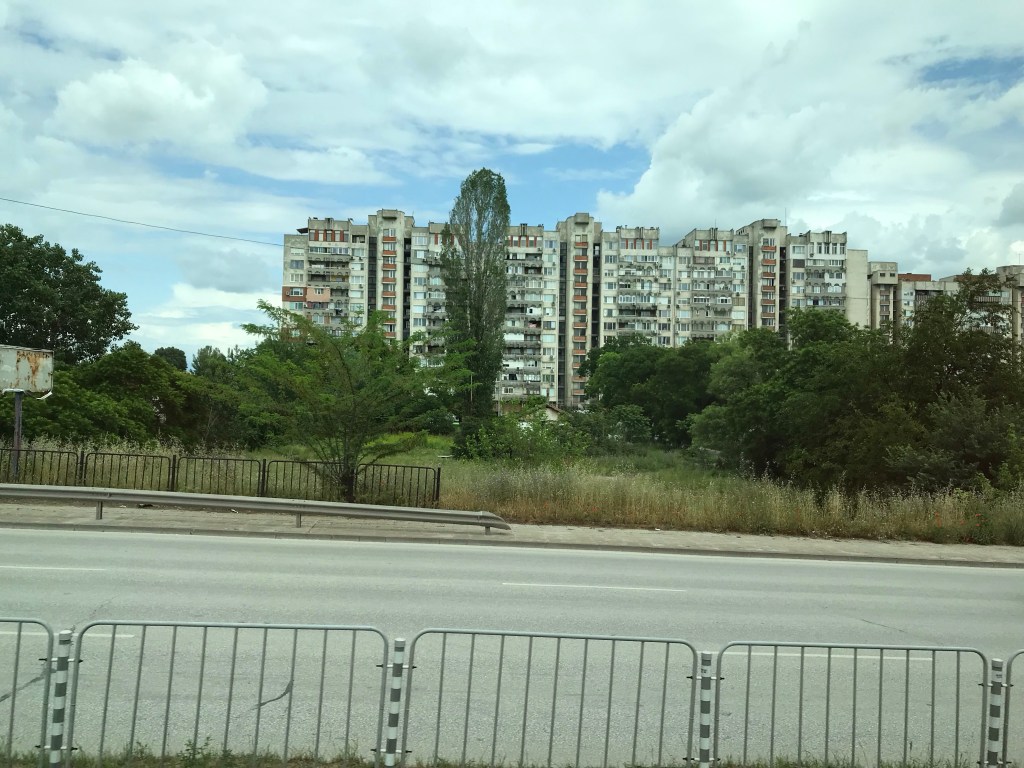
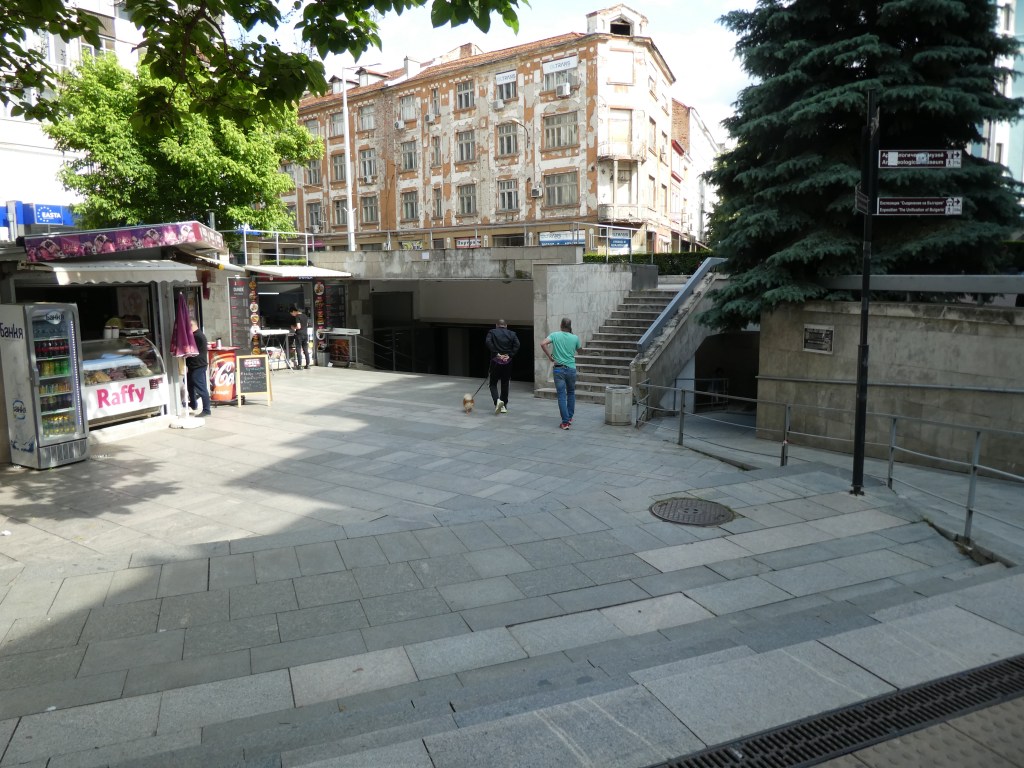
But it turns out that Plovdiv is one of the oldest cities in Europe, and buried underneath the modern city is a fantastic Roman city from about 2000 years ago. The pedestrian street itself sits right on the Roman Stadium. Some initial discovery of this stadium was made in about 1944, but the real and significant exploration didn’t occur until the 1970s. This should give you an idea – it’s a picture from a main shopping intersection, and they’ve excavated an end of the stadium, which is oblong and stretches almost 800 feet long, all hidden under the modern city:
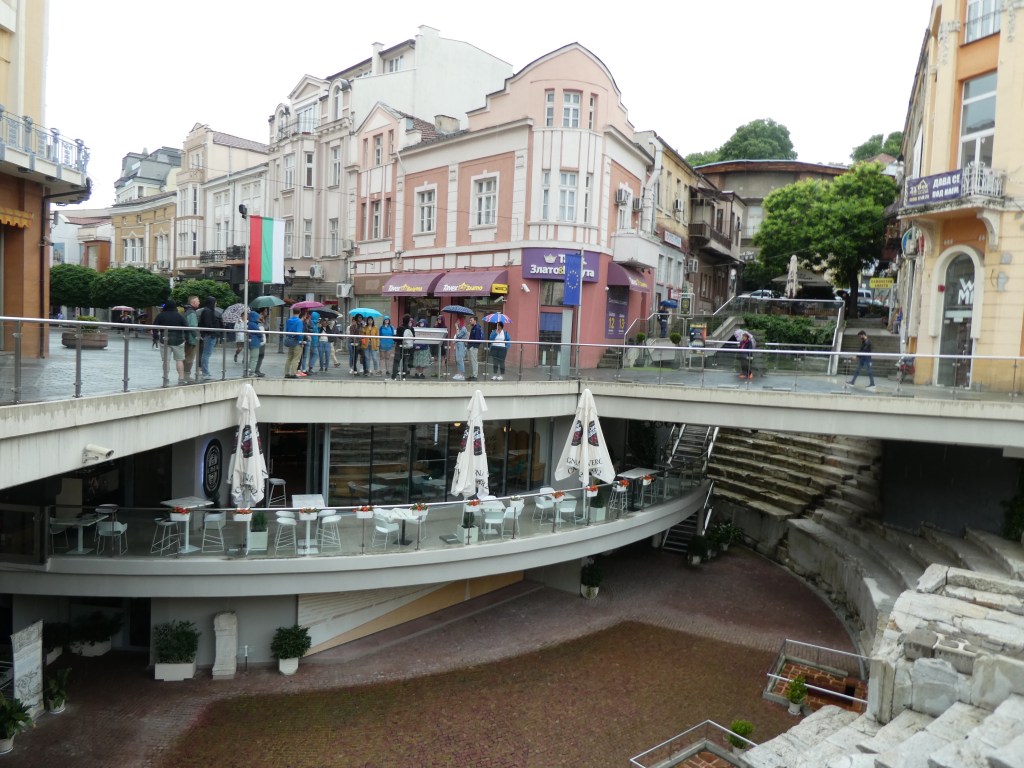
Here’s a recreation of what it looks like:
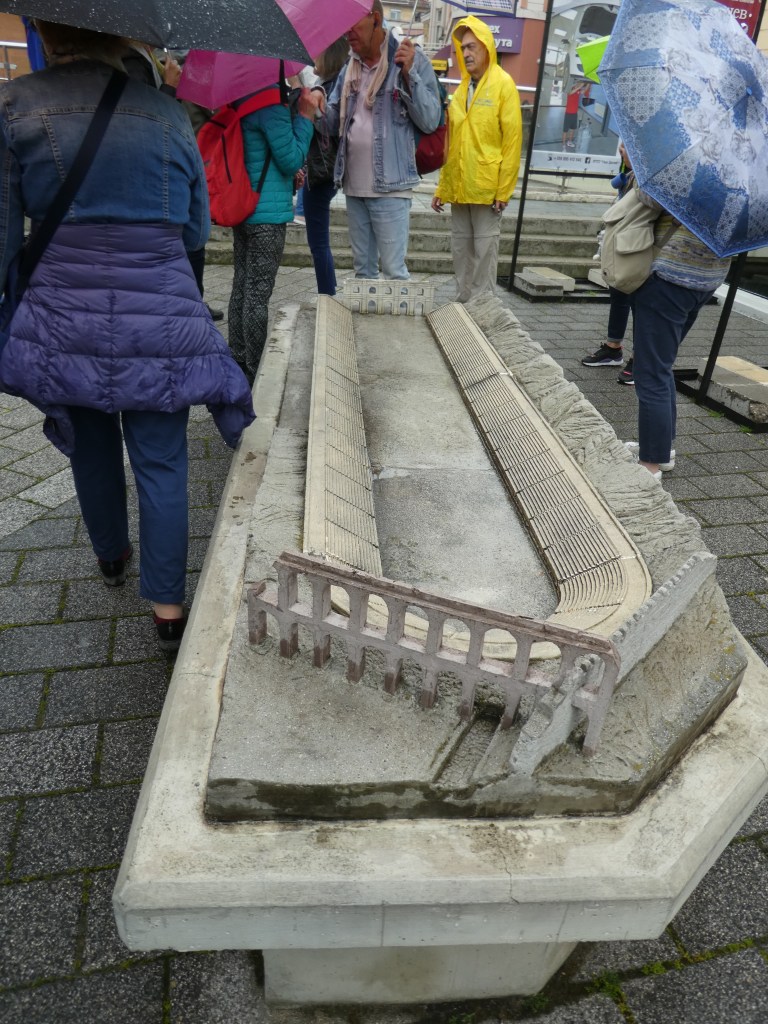
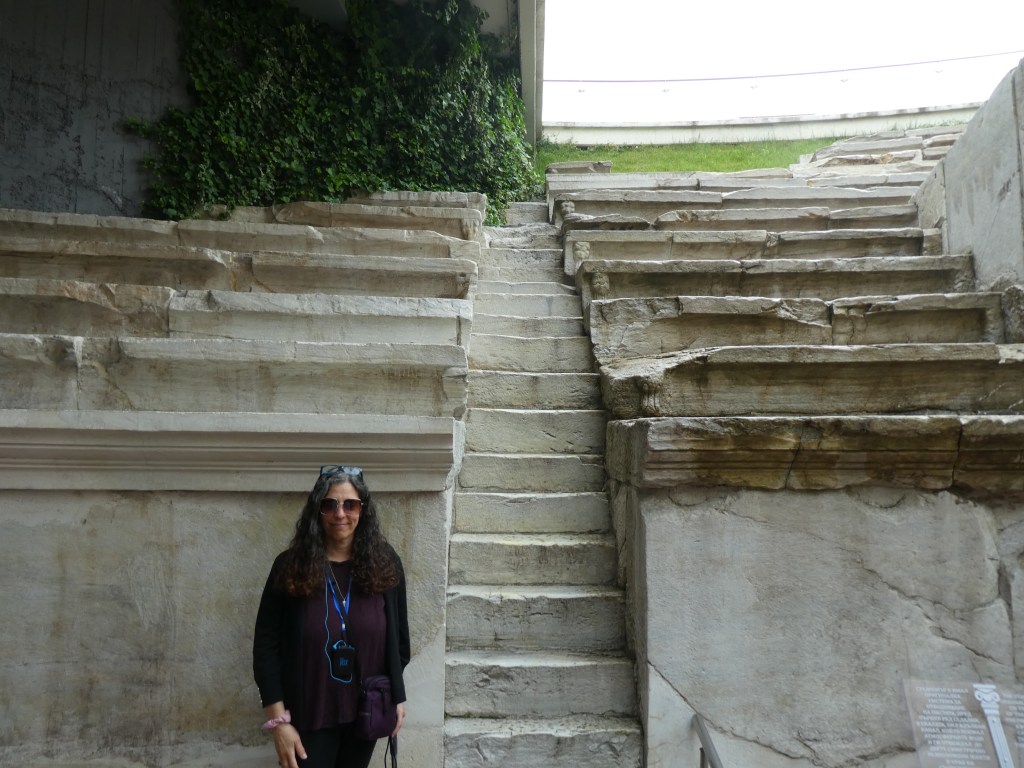
The riser seats for the stadium are totally hazardous:
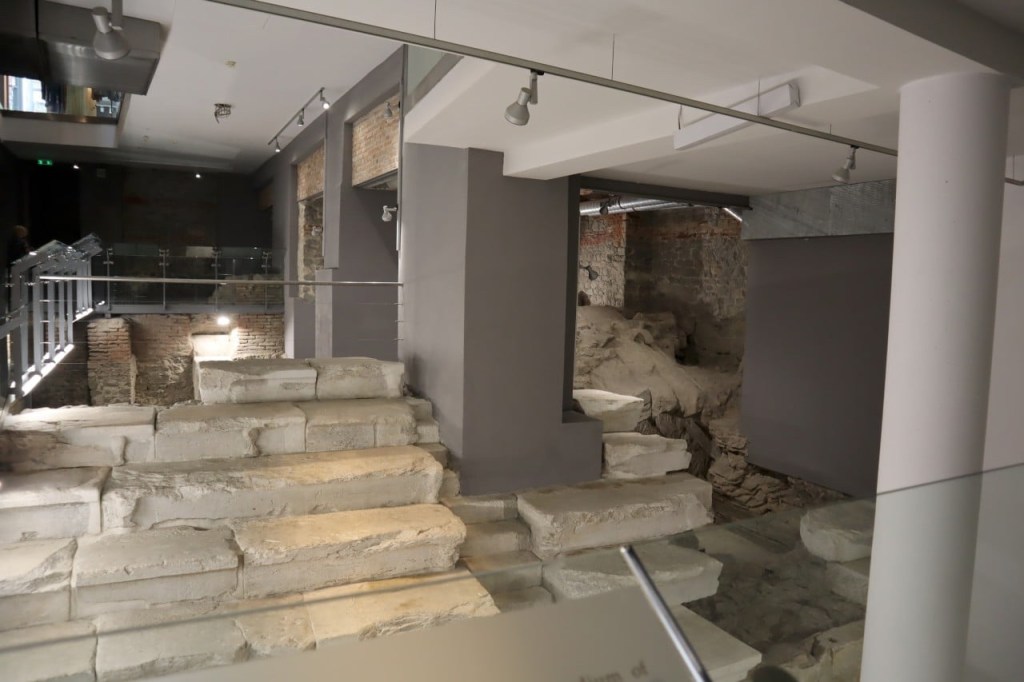
Even the recently-built Plovdiv H & M unearthed part of the Roman Stadium in the basement. You just take the escalator down from the bikini section and you’re in the Roman ruins! (pic not mine:)
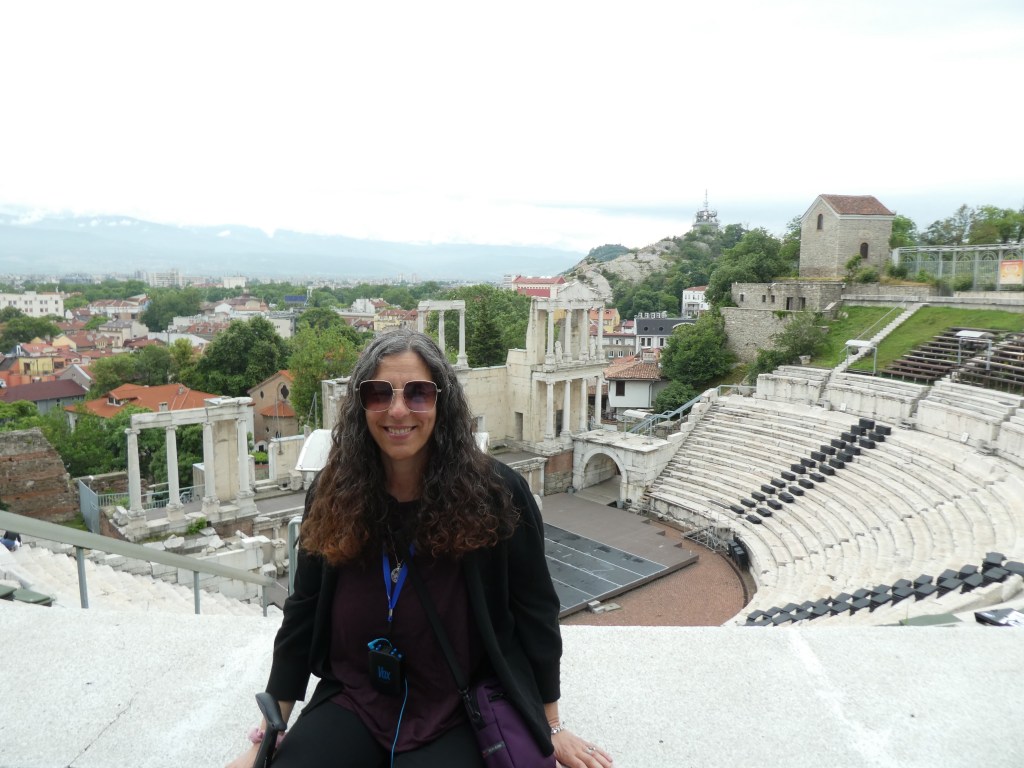
Plovdiv also has the Roman Theatre of Philippopolis, built in about 90 AD. It’s one of the best-preserved Roman theaters in the world, holds about 6000 people, and it’s still in use. At the end of the 4th century, it was damaged in a fire or an earthquake and then buried after an invasion by Atilla the Hun. It then sat undiscovered until 1972, when the combination of an earthquake and the start of a construction project to build a tunnel unearthed the theatre.
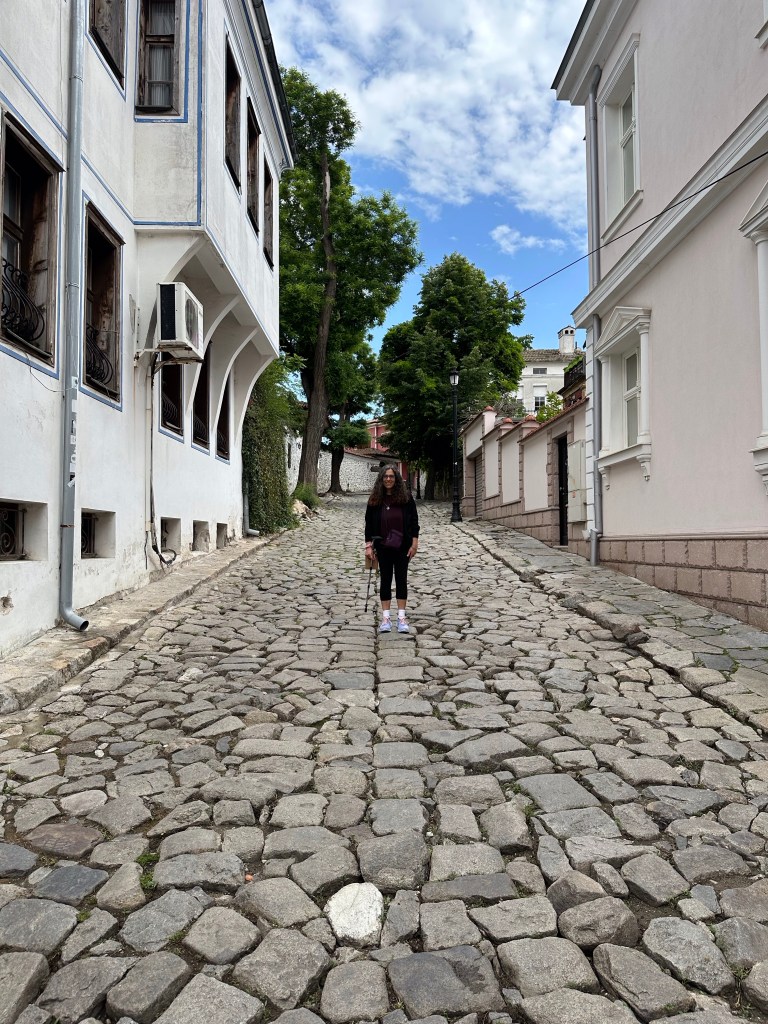
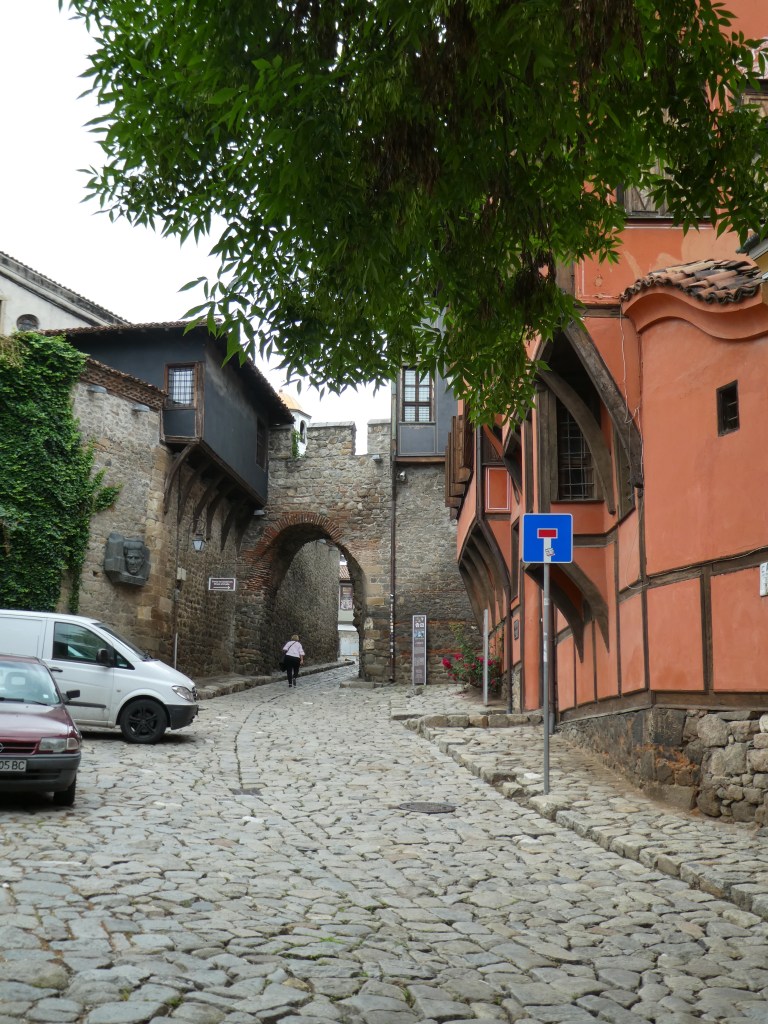
We also had some time to walk around the old town area, full of super-perilous walking streets, with mismatched cobblestones and a continuous incline/decline. I was grateful it was at least granite, instead of the slick limestone that I’ve come to fear in other cities:
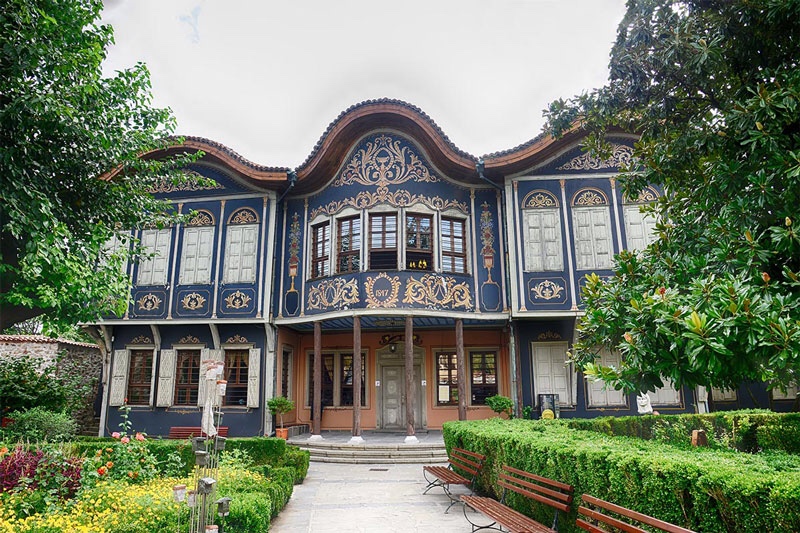
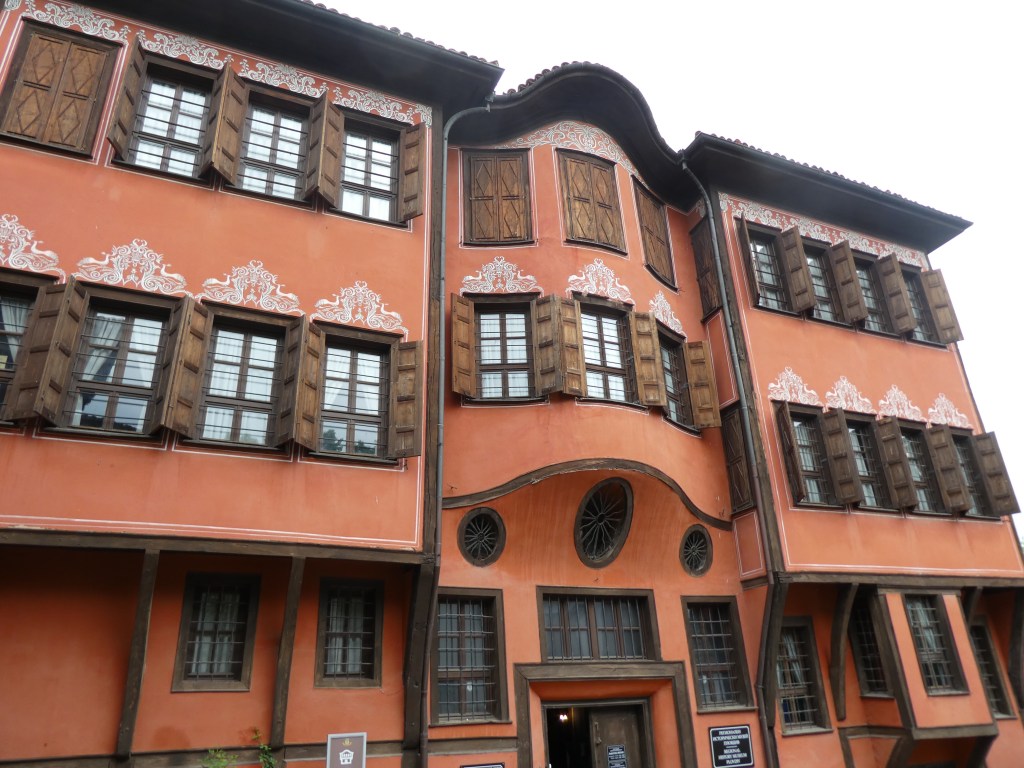
But the old town is also full of Bulgarian Renaissance architecture from the mid-19th century, when Bulgaria freed itself from the Ottoman Empire and Plovdiv became a wealthier trading town. Here’s the Kuyumdzhioglu House, a merchant’s house from 1848, which now houses a museum and then, just below, another merchant house:
This one is the Stepan Hindlayan house, also mid 18th century:

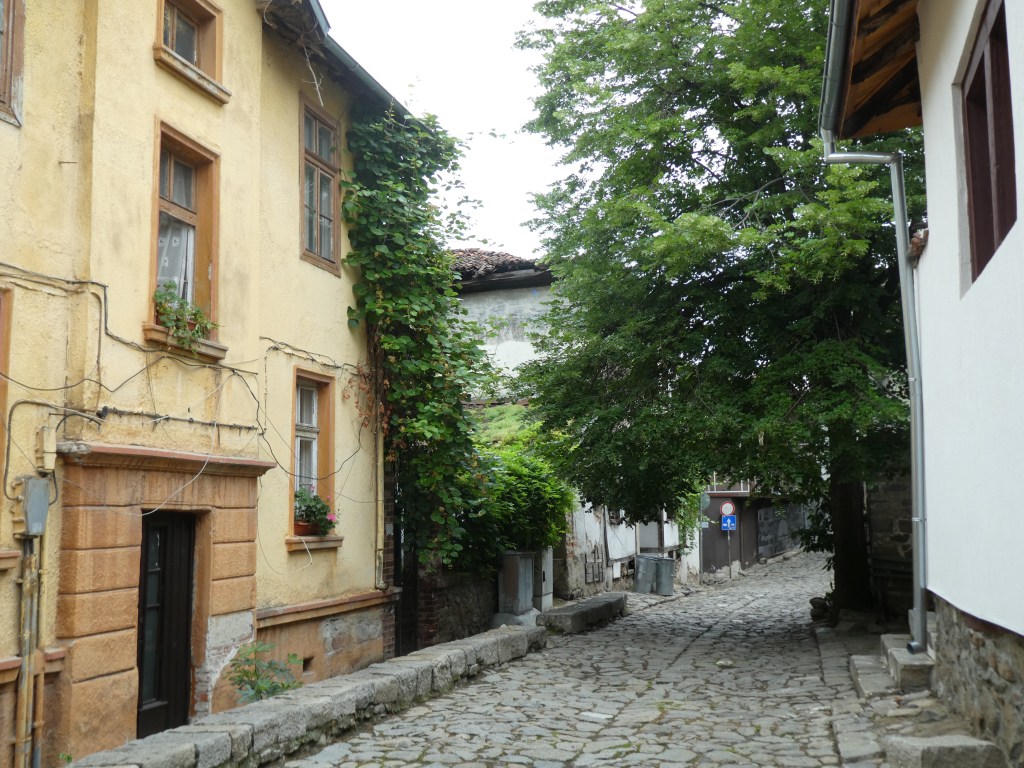
Here’s a few other pictures from our old town wanderings:
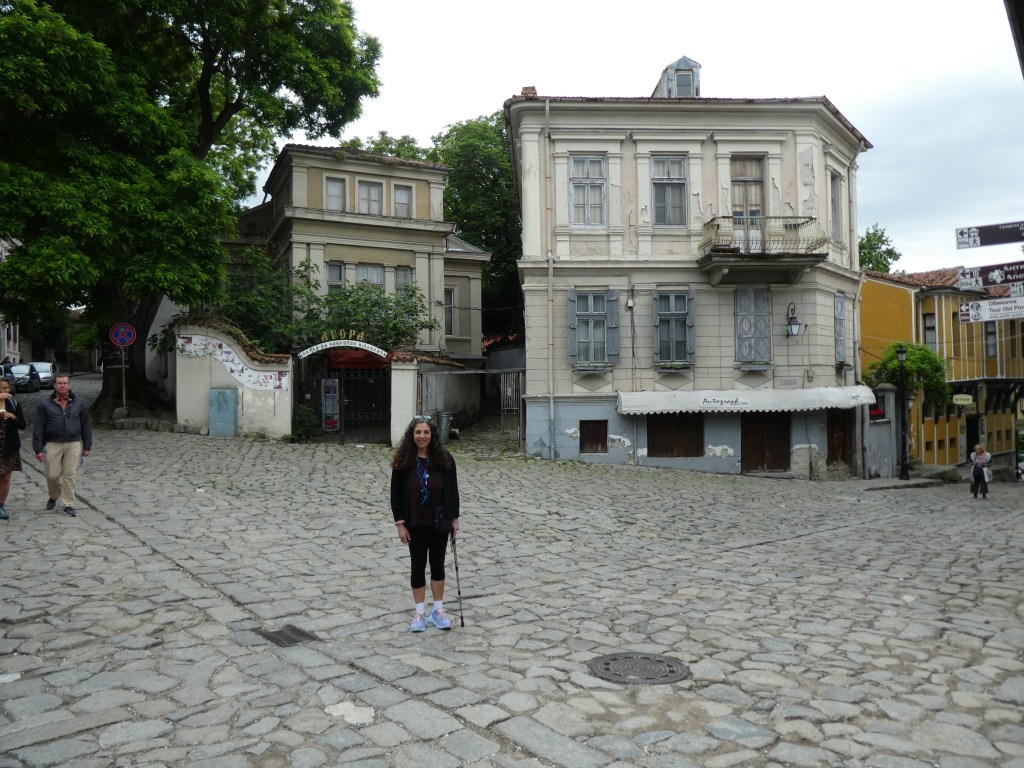
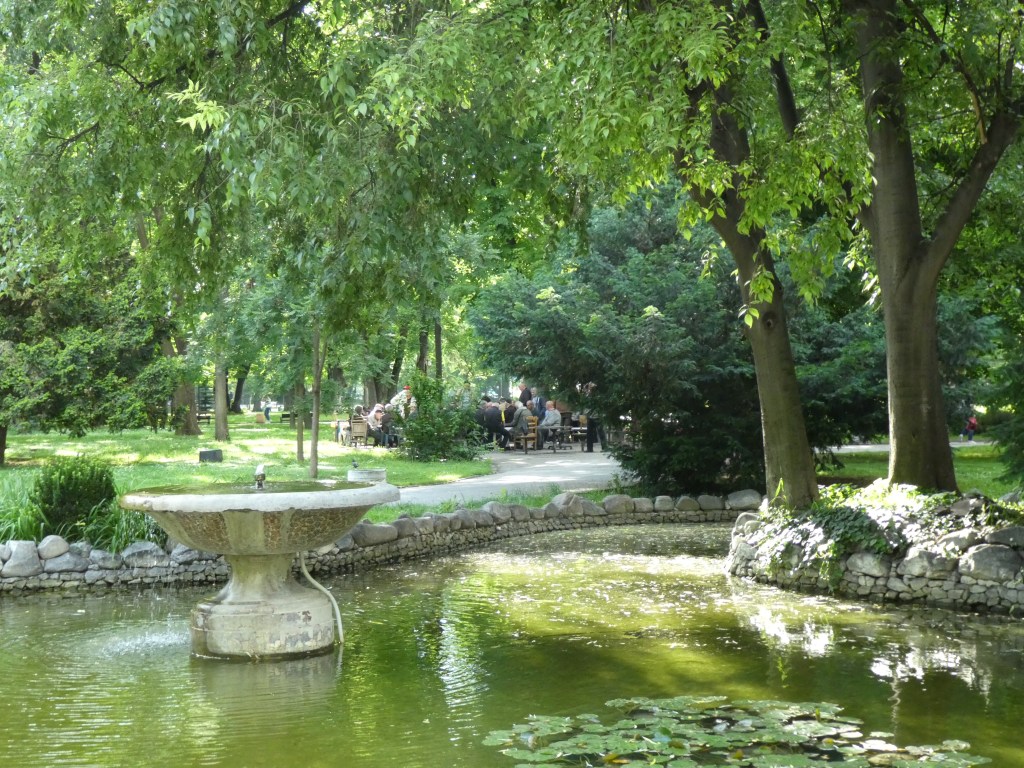
And this – the main city park of Plovdiv, with a group of men playing chess and card games off in the distance:
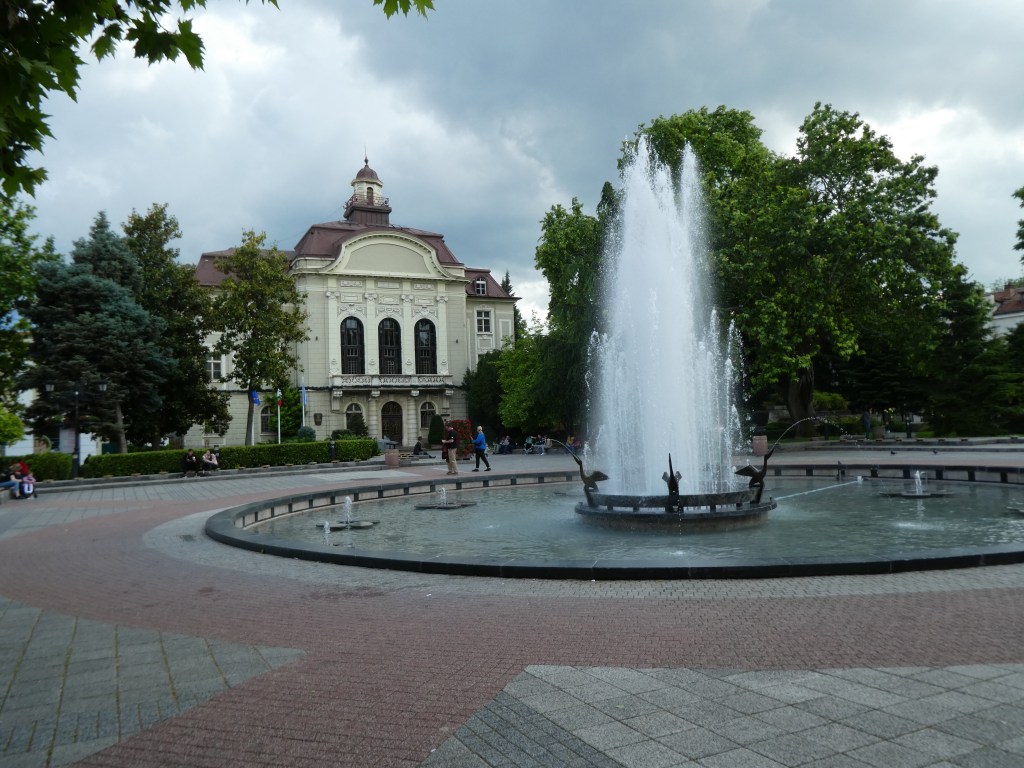
The City Hall:
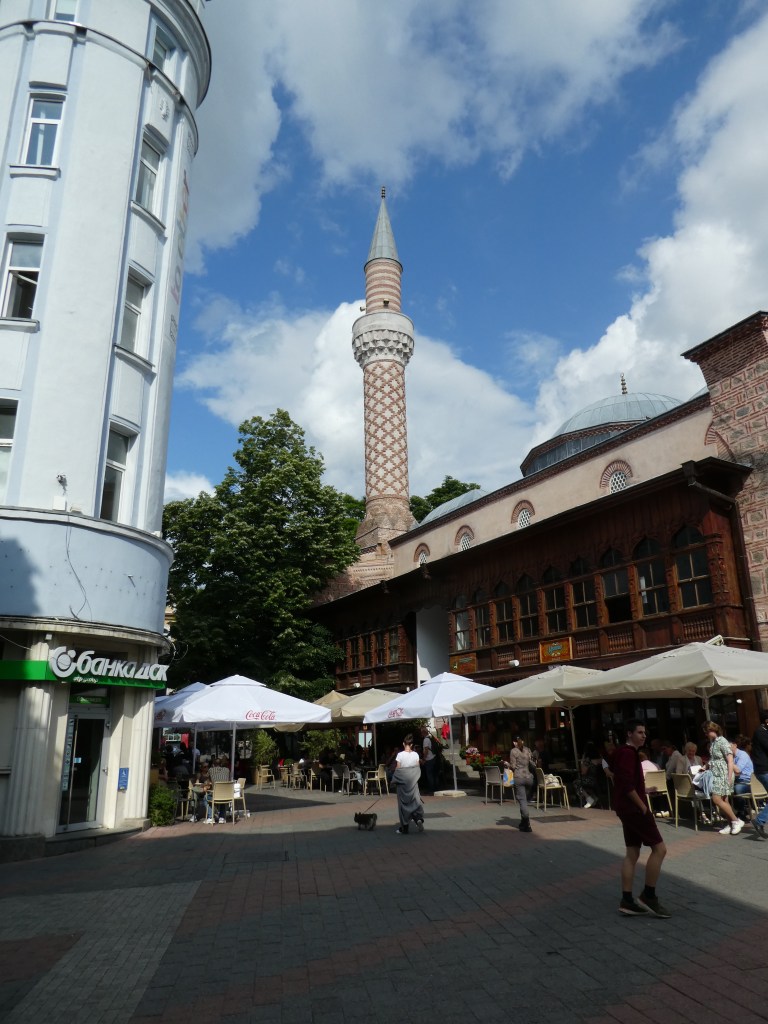
The last shots are the Dzhumaya Mosque, also right on the pedestrian street. It’s been there since 1435 and it’s funny to think that the Roman Stadium is buried right below it. And then it’s even crazier to think about all of those beautiful old town houses I inserted up above!!? Well they are all mere steps away from that Roman Theatre of Philippopolis that sat there, hidden, until the 1972 earthquake!
I’ll stop there. Clearly Plovdiv is worth a visit. It’s a magical chance to walk layers and layers of thousands of years of history.
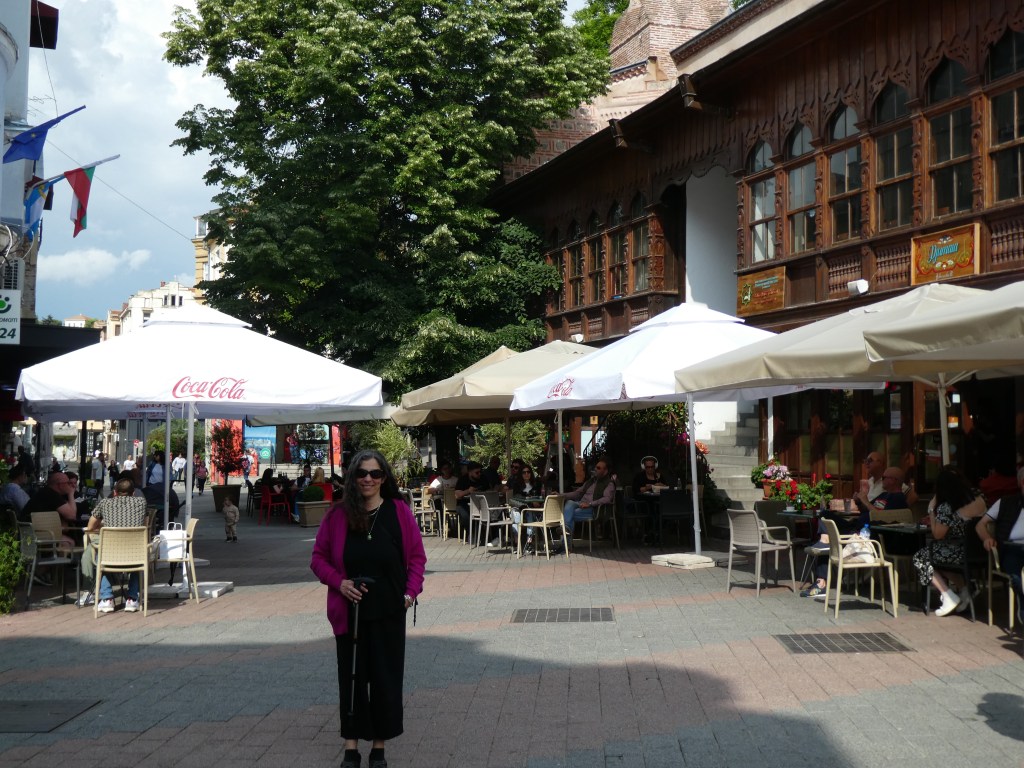
Regular readers are probably noticing that I’m way more well-documented in these photos than on a typical trip. Ron’s photography rules about never looking through the viewfinder usually leave me with hair flying across my face or standing completely in shadow. Grace has far superior skills and is a ready photographer. I will just add that – for every picture she takes of me – she’s taking 10 or 20 of the loose cats and dogs of Bulgaria.
We’re off to the Black Sea and the city of Varna tomorrow!


Nice history lesson…especially of a not well known location…what to any pictures of Grace
LikeLike
As I recall, it was at Varna that Dr. van Helsing and the other good guys caught up with the fleeing Count Dracula. Take note of any Dracula sites or memorabilia!
LikeLike
We’ll be researching that pronto! We’ve been told there’s a “Dracula Bazaar” at the castle that we’re quite looking forward to.
LikeLike
It all looks wonderful, except for those streets, which look extremely hazardous!
LikeLike
Oh yes – tons of opportunities to trip here in Bulgaria!!!!!!
LikeLike