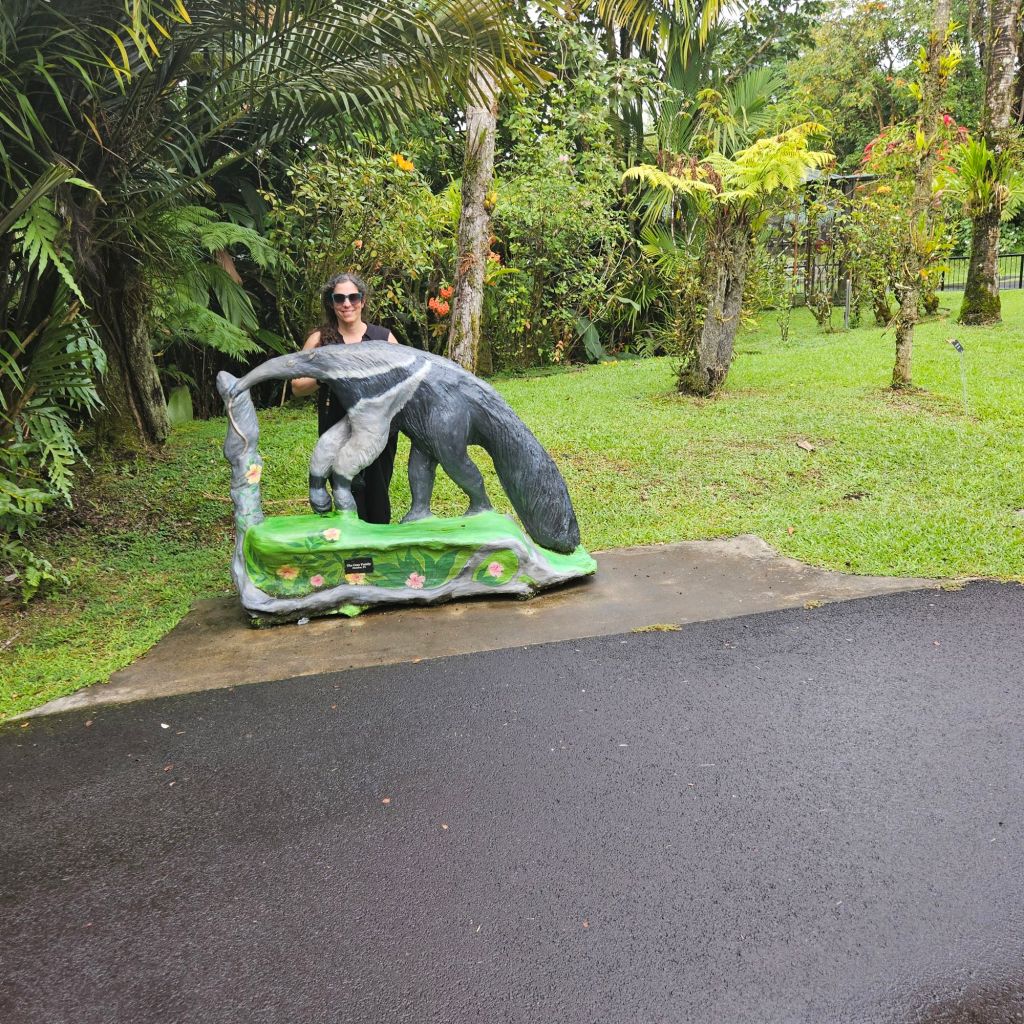
I want you all to know that even I was embarrassed at how little we gleaned from the national park and so we drove back over there at the end of the day today – the park was empty, the rangers were sitting around, waiting for tourists. The opportunities for knowledge were endless.
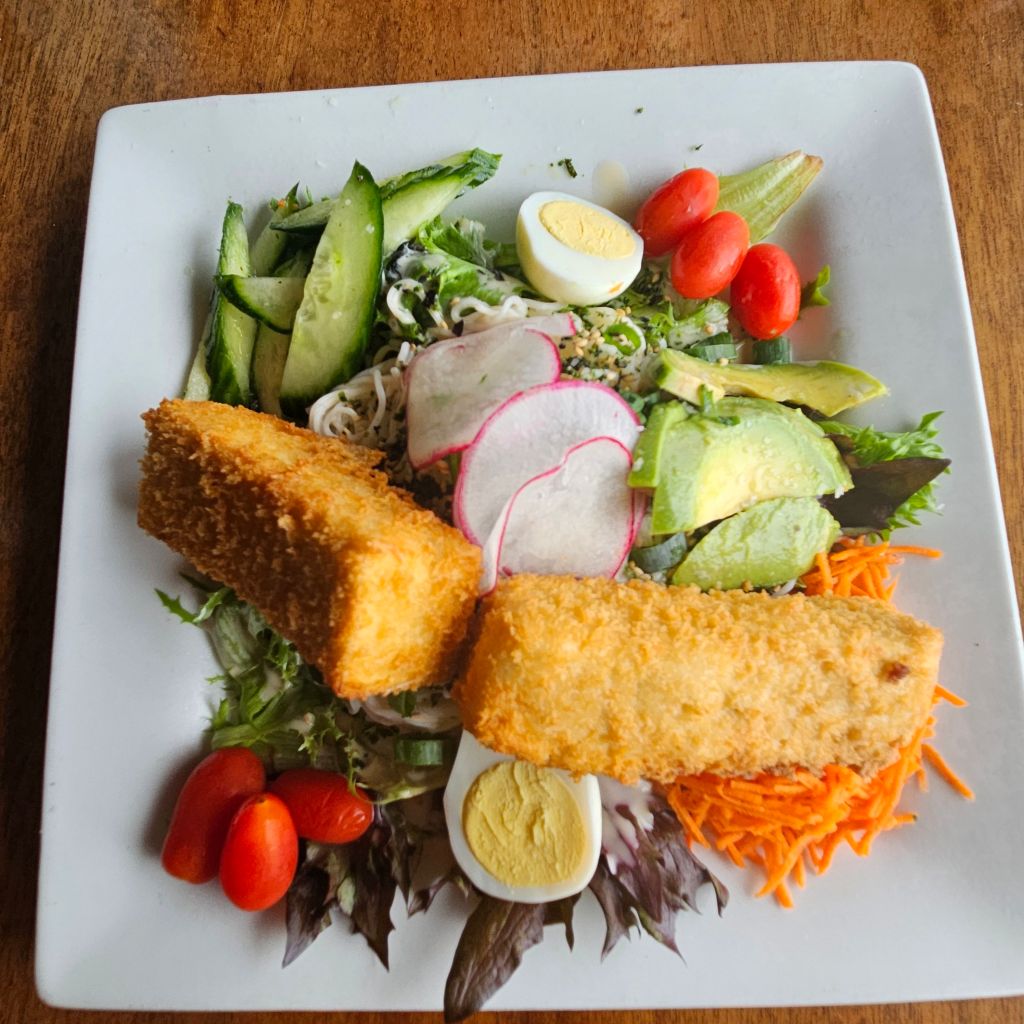
And yet, once again, we ignored the rangers (Ron did ask one where the bathroom was) and went right over to the Volcano House restaurant, so I could have the soba noodle bowl again. To show our waiter how much I already knew about volcanoes, I asked him to add some tofu to the meal:
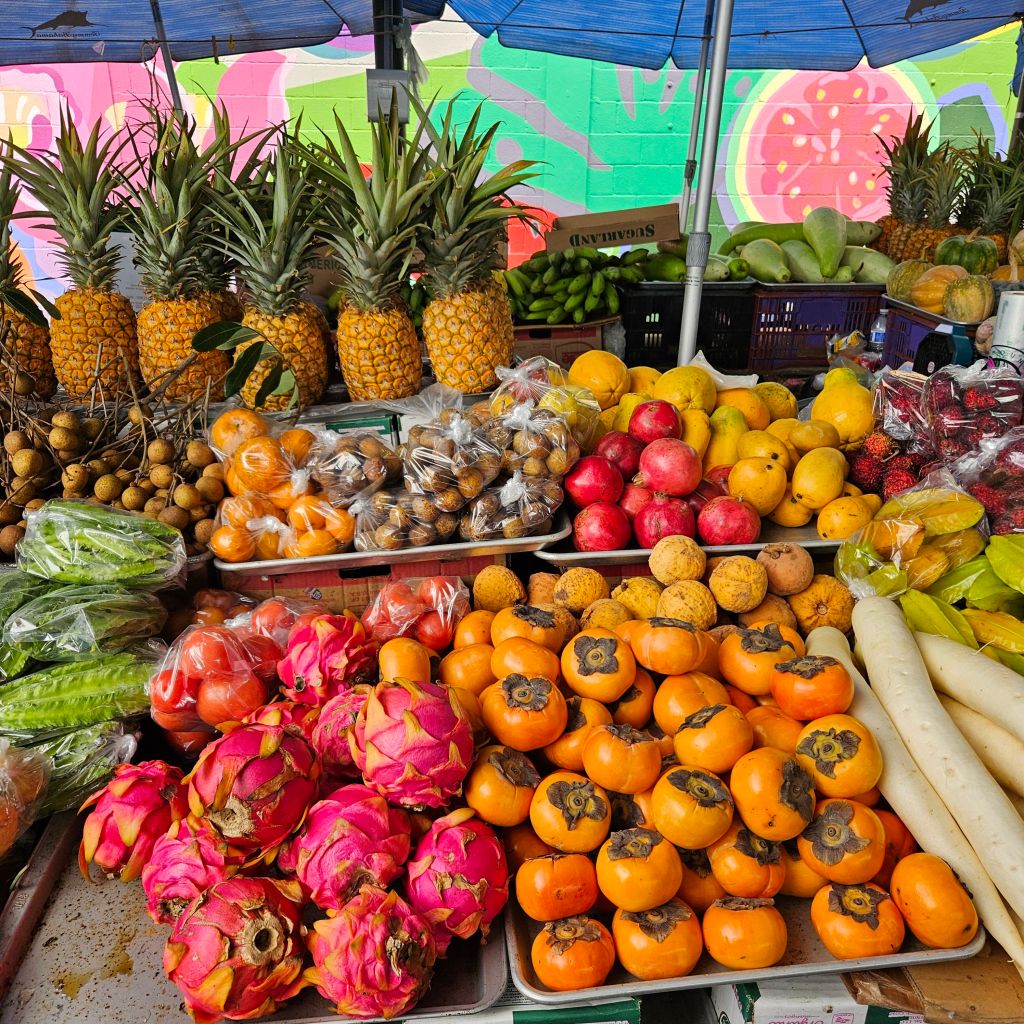
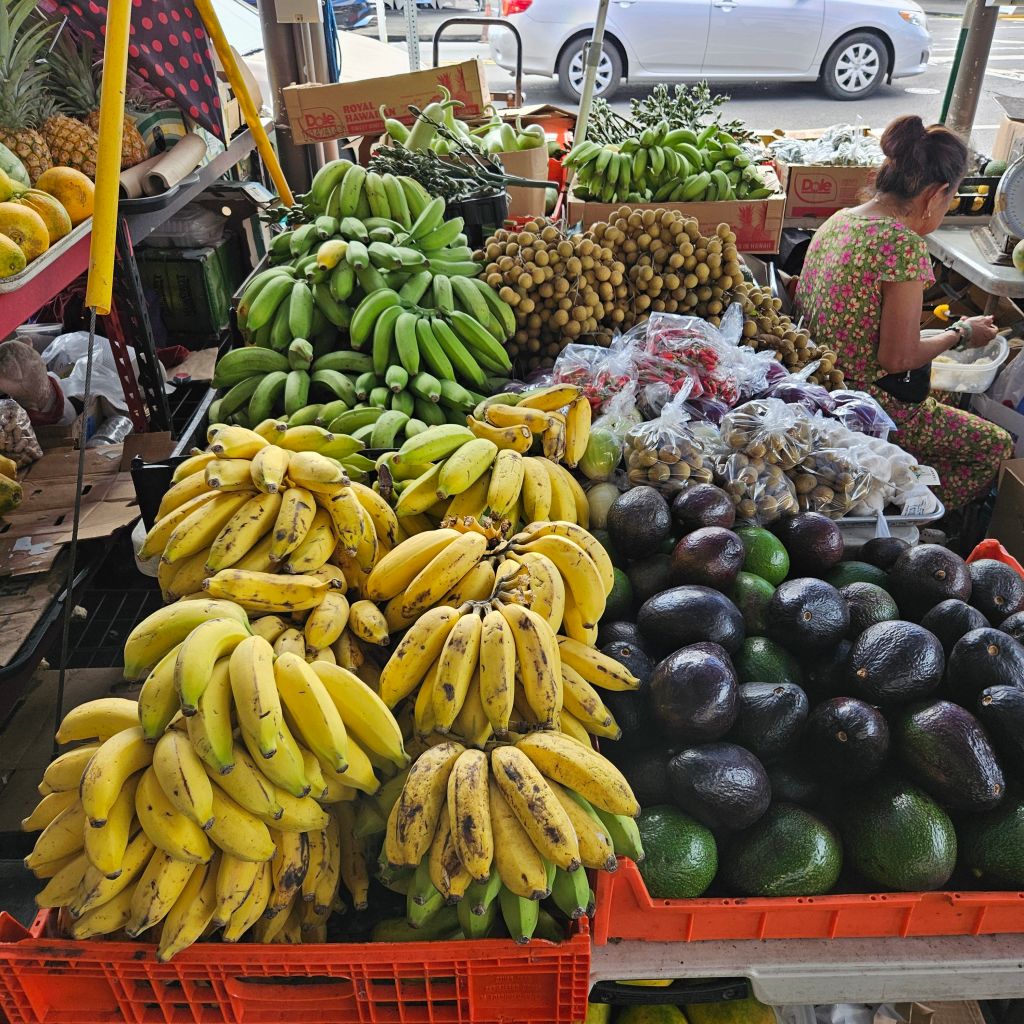
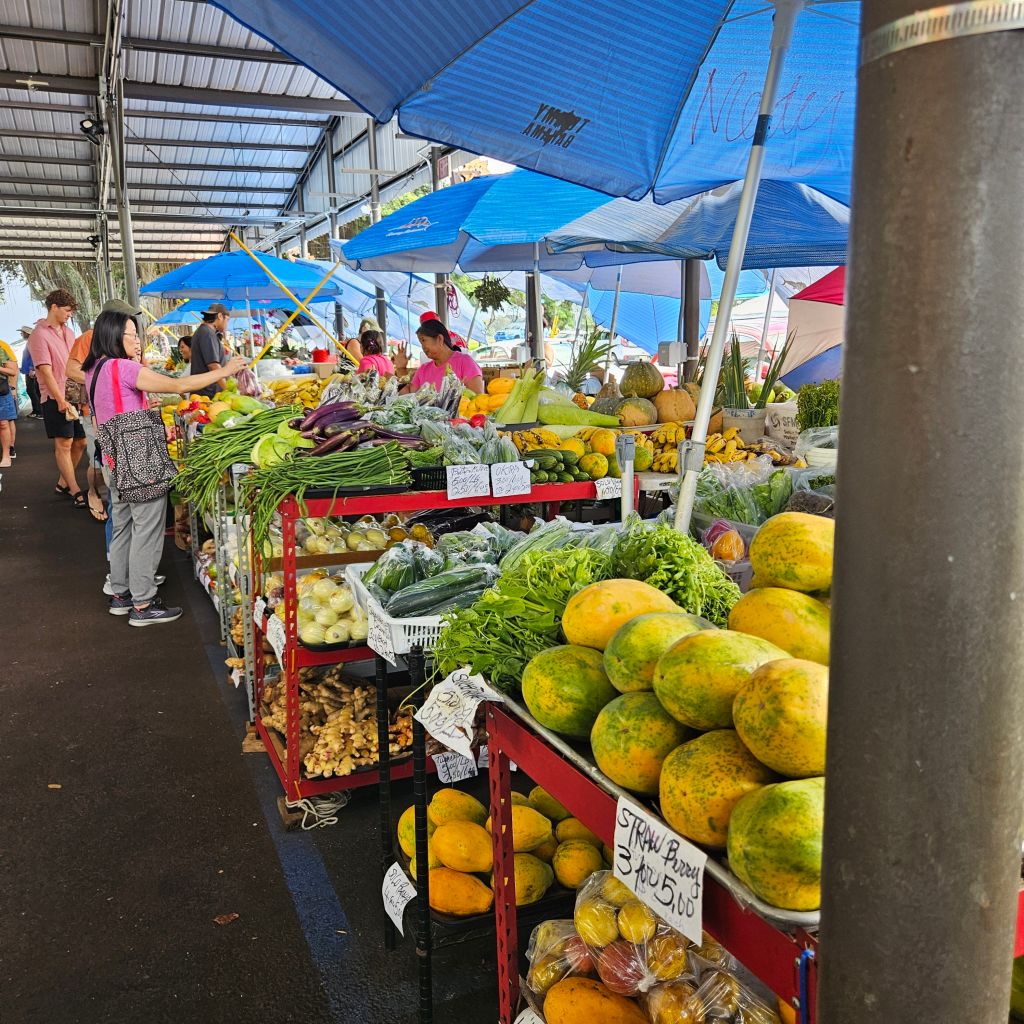
We drove 30 miles down from Volcano Village – which sits at about 4000 feet – to Hilo. On Wednesdays and Saturdays, Hilo has a fabulous farmers market. The highlight was the fruit. Look at this stuff:
The main reason we went to Hilo, though, was so I could get a look at the Pacific Tsunami Museum:
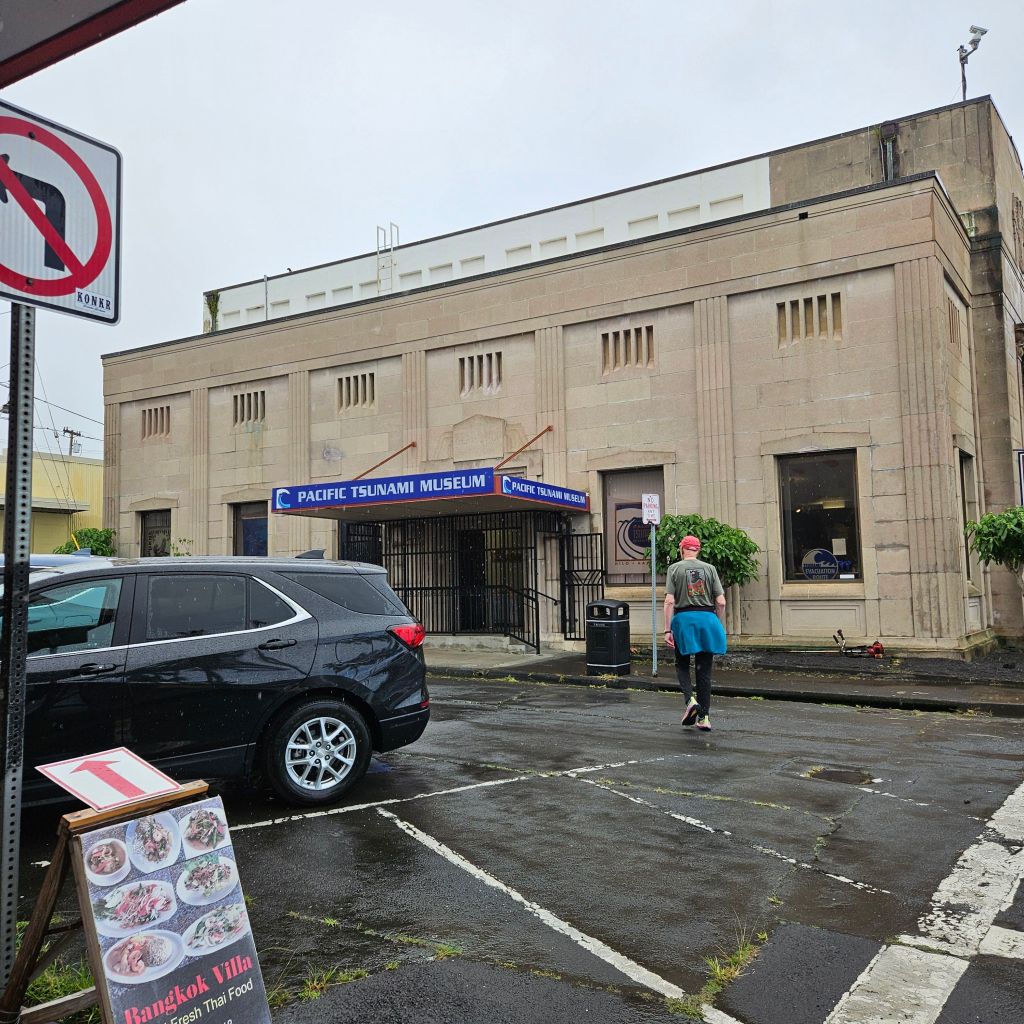
It’s my favorite kind of museum – small and devoted to a single subject. We were given a personal introduction to the science behind tsunami development and then turned loose to watch a 30-minute overview movie. The sections of the museum were devoted to close-up coverage of singular catastrophic tsunamis.
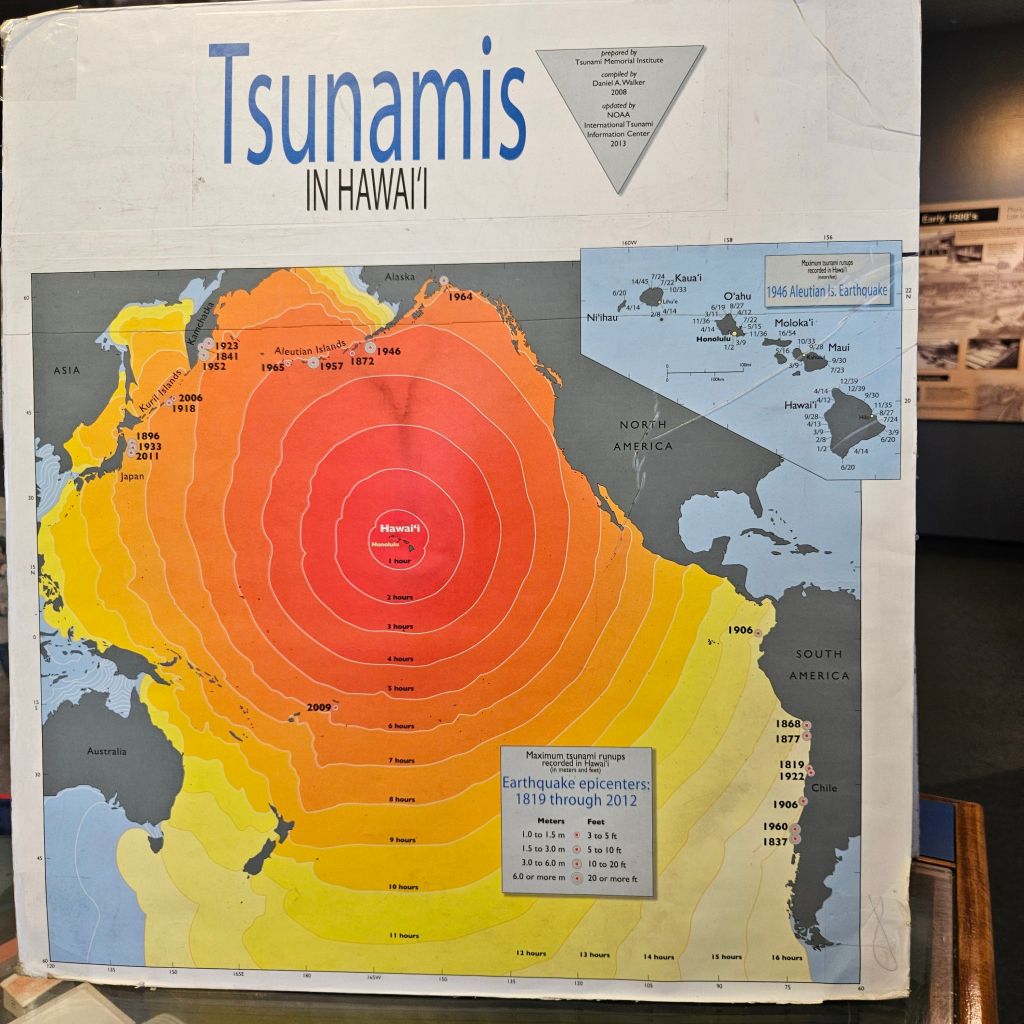
I thought this chart above was interesting. It shows the number of hours that a tsunami caused by an earthquake anywhere on the Ring of Fire will take to reach Hilo. Hilo is the most tsunami-prone city in the US, due to the shape of its bay and the location of the Hawaiian Islands.
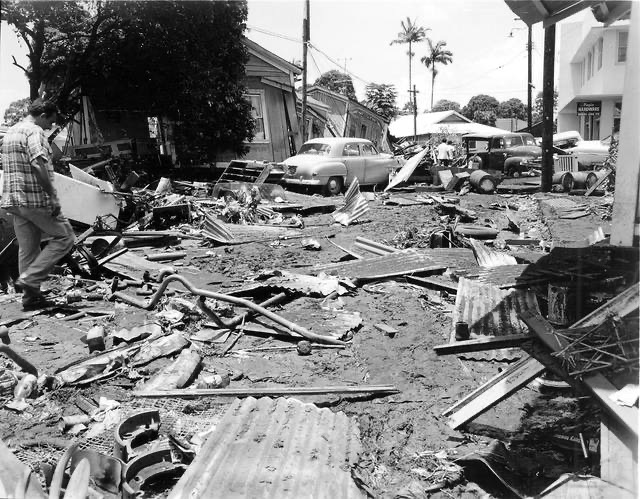
If you look at the chart and see Chile, you can see that it would take about 16 hours for a tsunami generated by an earthquake in Chile to reach Hilo. And in 1960, Chile sustained the largest measured earthquake ever – 9.5. And sure enough, a large amount of water was displaced in that earthquake, and a tsunami headed towards Hilo. 16 hours and ONE MINUTE later (they were off by one minute!!!!!) a massive tsunami destroyed Hilo Bay, killing 61 people. Here are a couple of pictures of Hilo the next day:
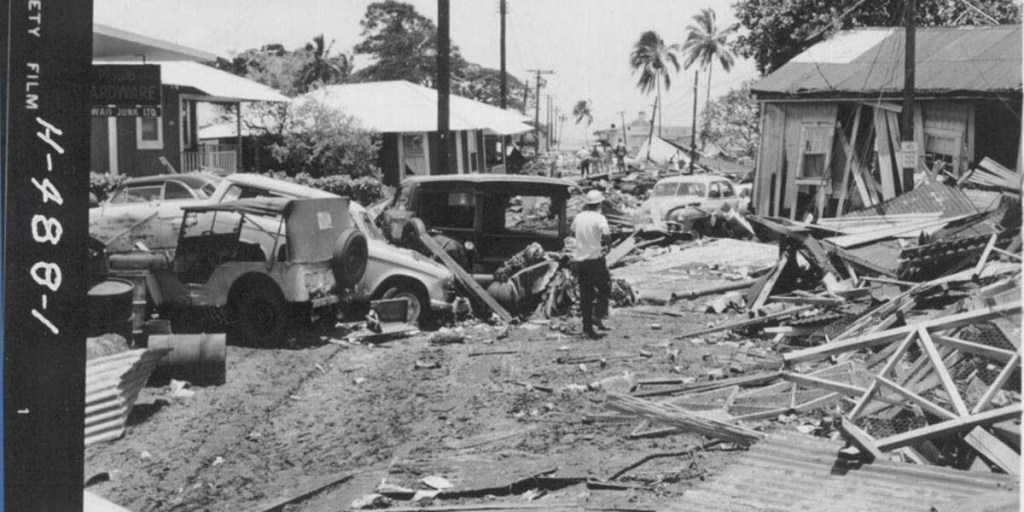
The museum is working on a new exhibit about the 2004 Indonesian tsunami, which started with a 9.1 earthquake centered at the northern tip of Sumatra. For now, they just have some video footage and a few survival stories – but even that was a terrible visual reminder of the approximately 300,000 people that were killed.
The takeaway story – the public service that the museum wants to convey by sharing the awful stories – is that well-placed and monitored warning systems can prevent these massive tragedies. The Indonesian system was put in place after 2004 but it’s apparently already failing and the government has not installed new buoys and sensors.
We left the Pacific Tsunami Museum and headed back to our little cottage. En route, we passed the Hilo Rain Forest Zoo and decided to stop in. We loved this place…it was the highlight of our day! It’s just a beautiful little zoo with a gorgeous tropical feel. It’s free to enter and worth a stop if you’re nearby.
Here’s Ron strolling around:
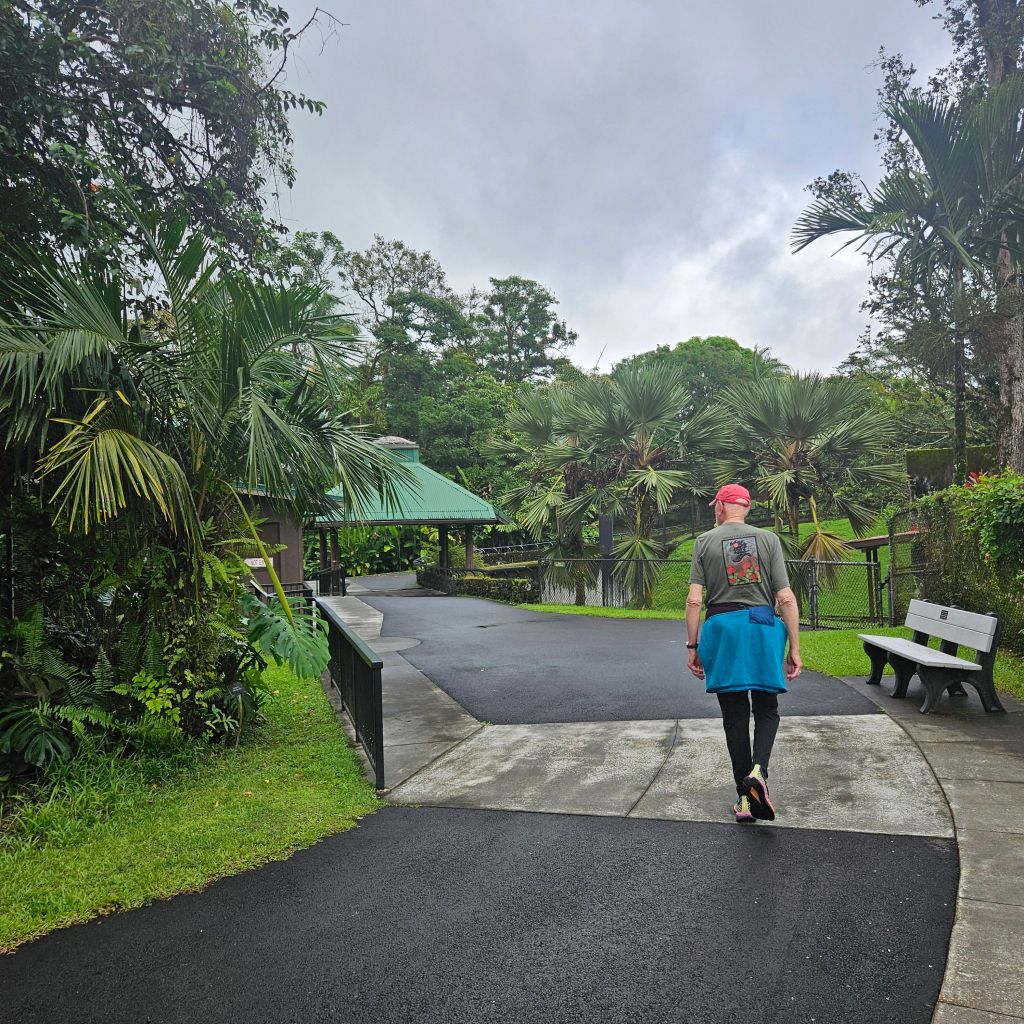
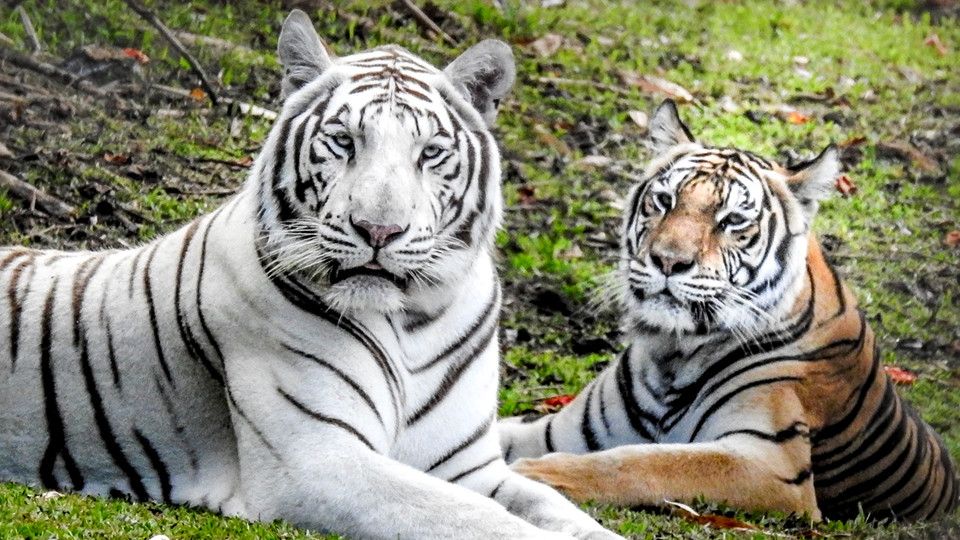
The zoo has a small grouping of animals but the variety is so unusual – a lot of tropical birds, an alligator, lots of monkeys, and somehow they have two tigers – one is a white Bengal tiger. I’ve never seen one before – there are only about 200 left and they are all in captivity. The white tiger is the result of a 1 in 10,000 genetic mutation.
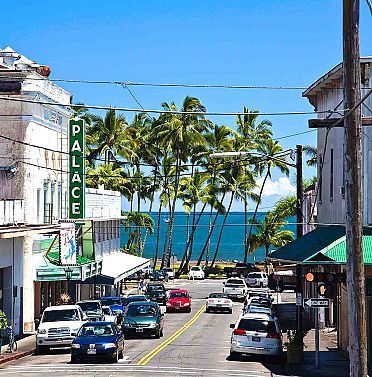
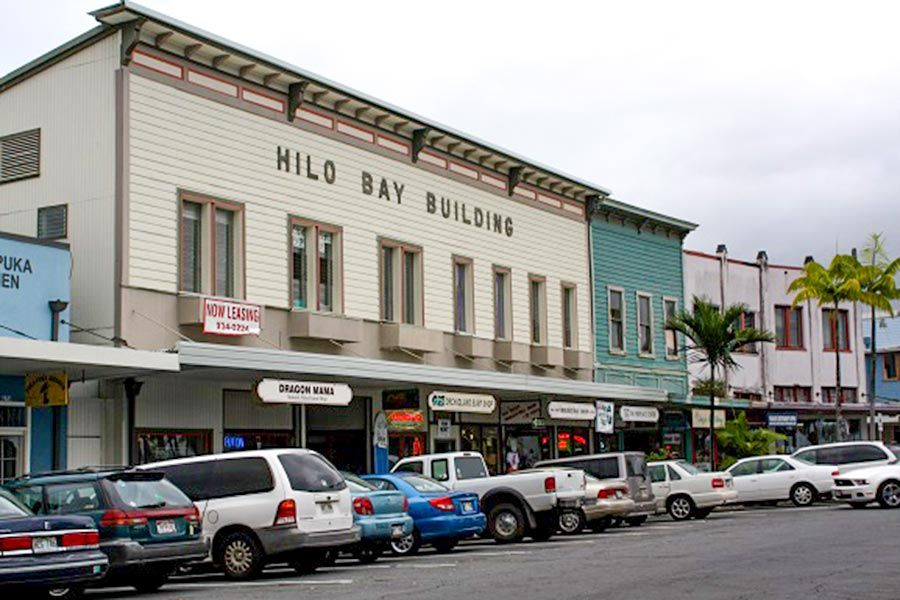
Hilo was a huge hit with us. The Main Street is lined with small shops, selling local clothing, jewelry, and art. But there’s nothing touristy about it – there’s abandoned storefronts and decrepit buildings mixed right in. It’s a really special place – old-style Hawaii, I think – not gussied up at all.
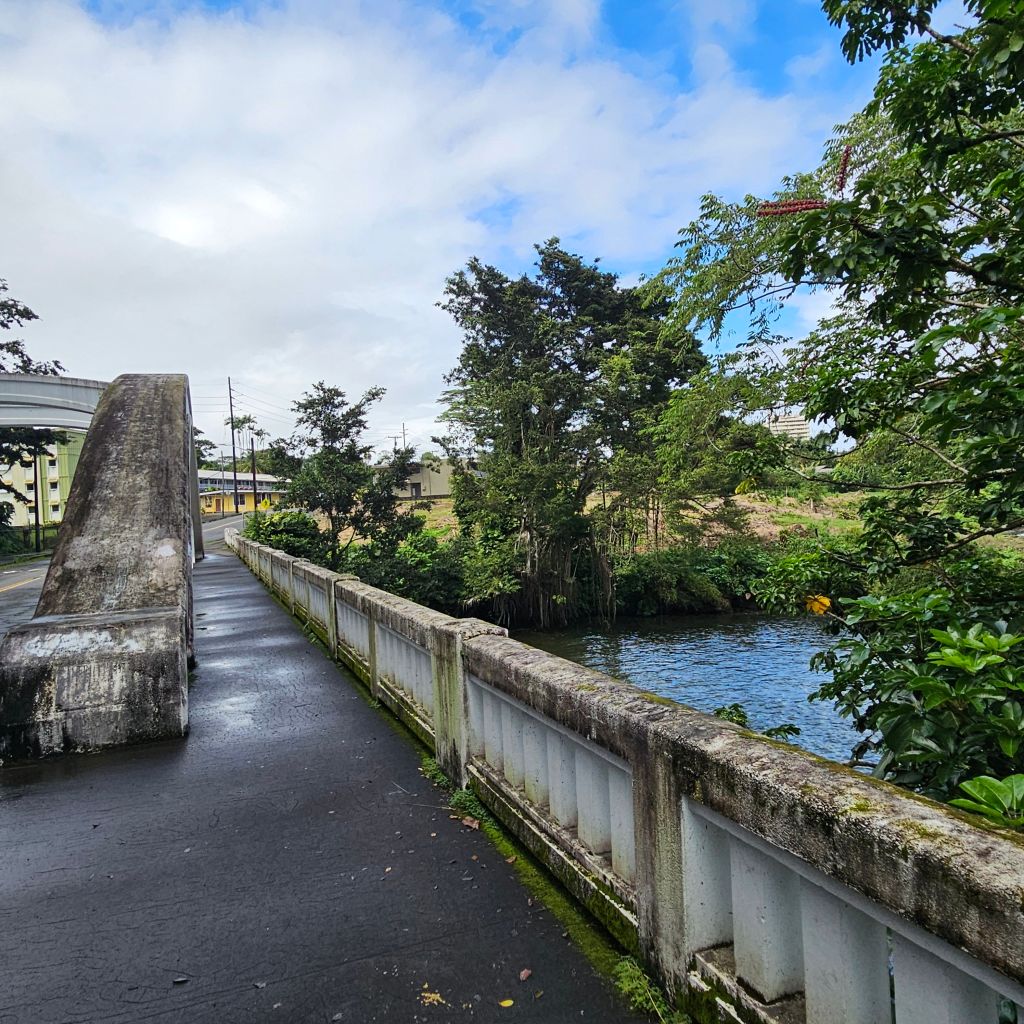
Here’s a few final shots of Hilo:
 Travels with Valerie
Good photos; Looks like the white tiger and the tawny one get along. No bigotry there. At the Cal academy of Science some years ago they tried to introduce a non-mutant alligator to Claude, our albino / white one. That didn’t work. As a young alligator in the wild, Claude had not been “invited to play in alligator games” so he never learned to play well with others. HS
LikeLike
These two definitely get along! We were so impressed with the zoo. We asked a staff member how it’s funded if it’s totally free to enter and she said the county makes it well-funded. The grounds were spotless and the enclosures were huge and large.
LikeLike
Hawaii looks beautiful Glad you are seeing the sights and having fun!!
LikeLike
Thanks – it’s truly beautiful over here. It’s super rainy here – so it will be nice to move to the sunny side today:)
LikeLike
Count me as a lover of Hilo too! However, our place way back in 1999 was in the jungle and had cockroaches all over! Like seriously, in a nightmare.
LikeLike
Hi Tammy:) I’m going to keep thinking about the manta ray thing. It does look amazing. Not a single roach in our jungle hut. Just a lot of rain, though. We’re on the Kona side now – much sunnier:)
LikeLike