It’s hard to know where to start but I’ll go with the eye emergency room so you don’t all freak out. I am okay – life with an autoimmune issue means that stuff comes up and I try to be prepared.
But last night, an eye issue that’s been bugging me the past few weeks seemed a lot worse and I wasn’t sure what to do.
It’s the artist Joan Miro who saved the day and provided the medical guidance I needed – further evidence of how little I understood about Spanish art/any art. Some people here may know that Joan Miro died in 1983 and so it’s hard to understand how he can still be managing my health care, but…
For all of my almost 6 decades here on earth, I have thought that Joan Miro was a woman, so you can imagine my surprise when I went to the Road Scholar morning art lecture and there was this picture on the screen and I thought: boy am I a moron/what am I going to do about my eye:
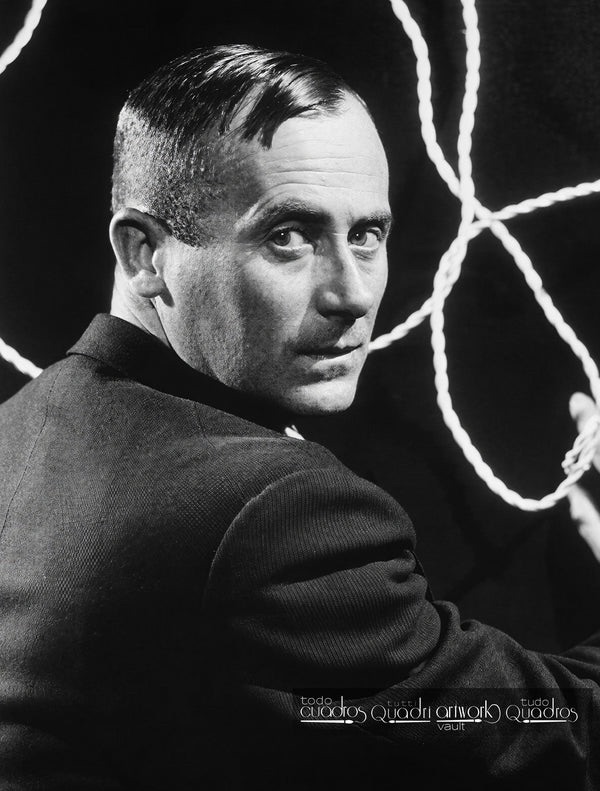
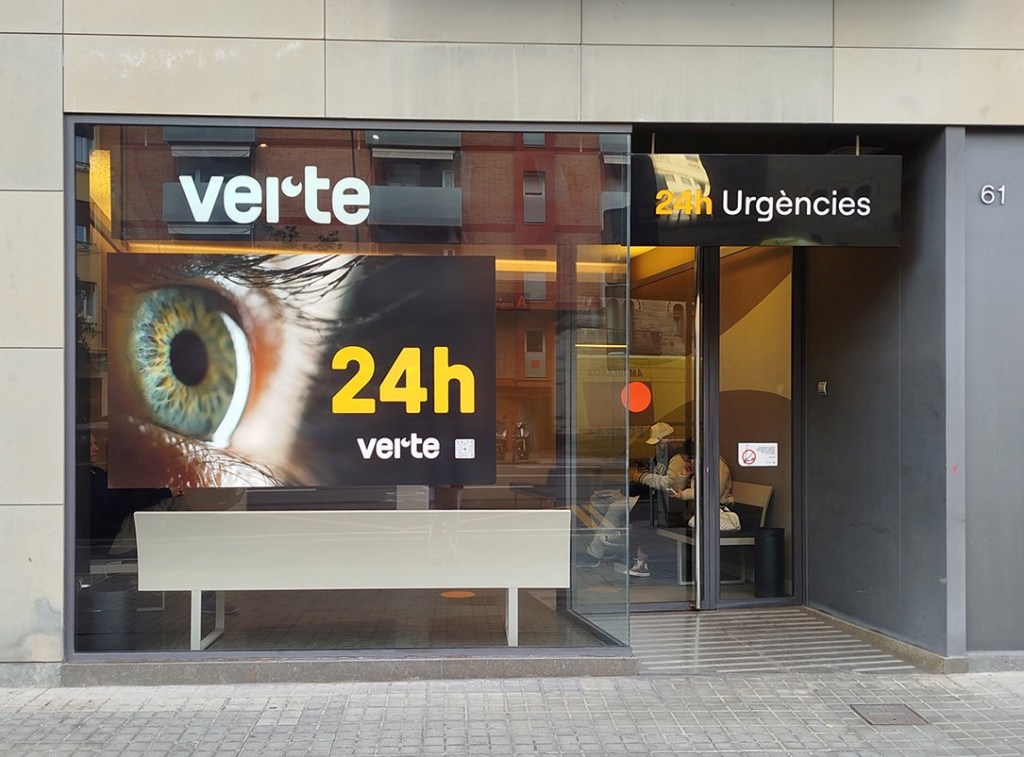
First, it turns out I LOVE Joan Miro’s art and we’ll get to that in a minute. But Road Scholar took us up to the Joan Miro Foundation museum by bus because it’s a little far out of the main area and – as we drove away from the hotel – I saw this business a few blocks down and I think we can all agree – Spanish speakers and non-Spanish speakers, artists and non-artists – that it seems to be an eye emergency room. I stopped in a bit later and saw an English-speaking doctor within 5 minutes and left with a prescription – all for 90 Euros. When I told the staff that there is no such thing as an eye emergency room in the US, they were shocked.
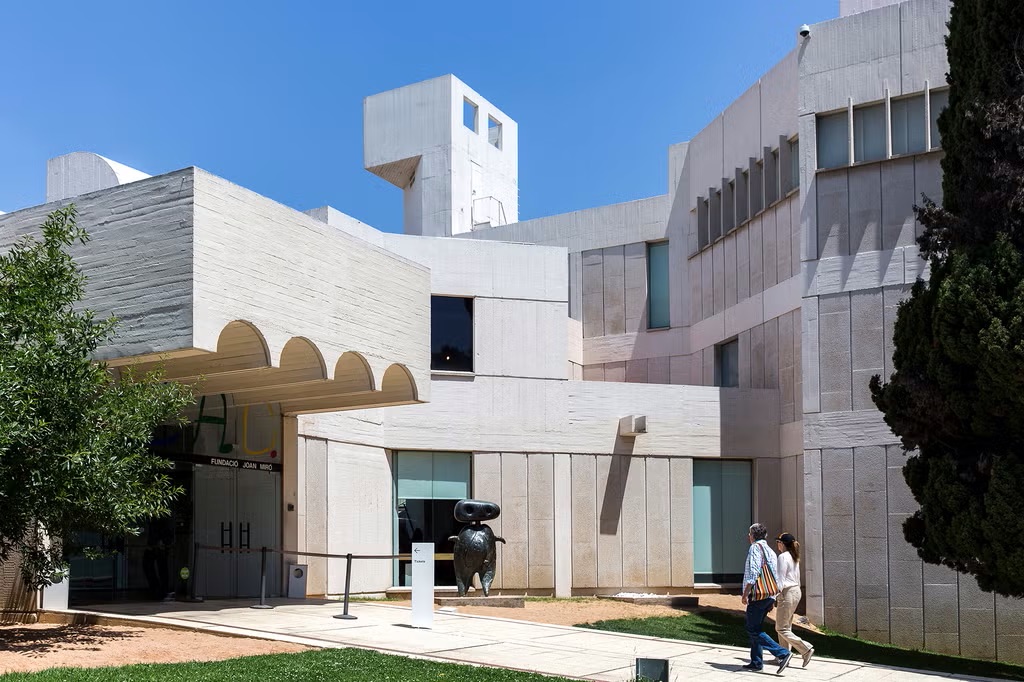
But back to Mr. Miro. He did sculpture, painting, ceramics and even weaving/textile work. This is the Joan Miro Foundation building, from 1975:
He was a contemporary of Picasso’s and their friendship stemmed from one of the best human/art stories I’ve ever heard. Picasso (ALSO A MAN!) was world class famous long before Miro and already living in Paris. In 1920, Miro decided to move to Paris to find creative freedom and make an international name for himself.
Miro’s family lived near Picasso’s family in Barcelona – and when Miro left for Paris, Picasso’s mom asked Miro to bring Picasso a cake, and I just loved that vision. Even now, the train from Barcelona to Paris takes nearly 7 hours. In 1920, it took about 30 hours – and it’s just charming to imagine Miro setting out to make his way in the art world – with a boxed up cake to juggle amidst his stuff.
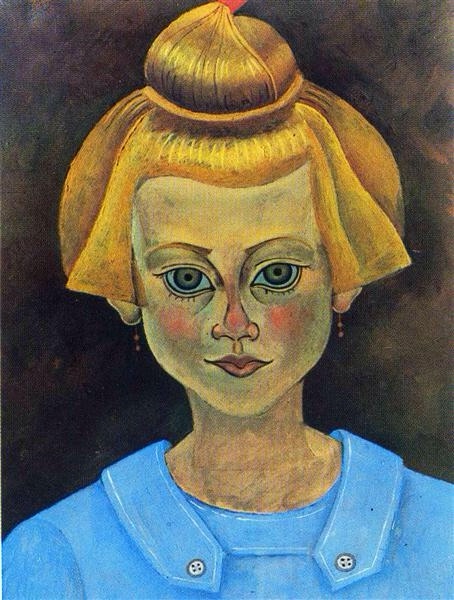
I was just wowed by the range of Miro’s talent. This is Portrait of a Young Girl, from 1915, which was stolen from the Miro Foundation museum in 1988 by thieves who came in a broken window. Of the 5 paintings stolen that night, 3 were recovered in a fruit shop in Palencia, Spain.
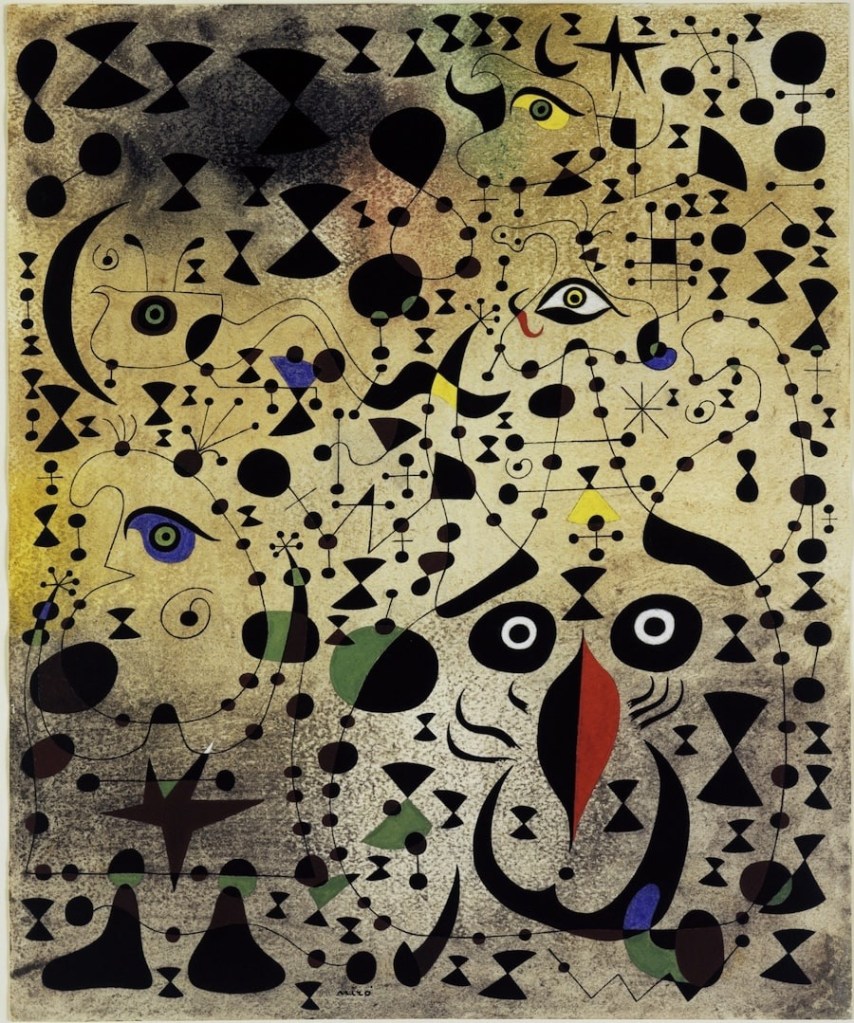
And then he also did The Beautiful Bird Revealing the Unknown to a Pair of Lovers in 1941:
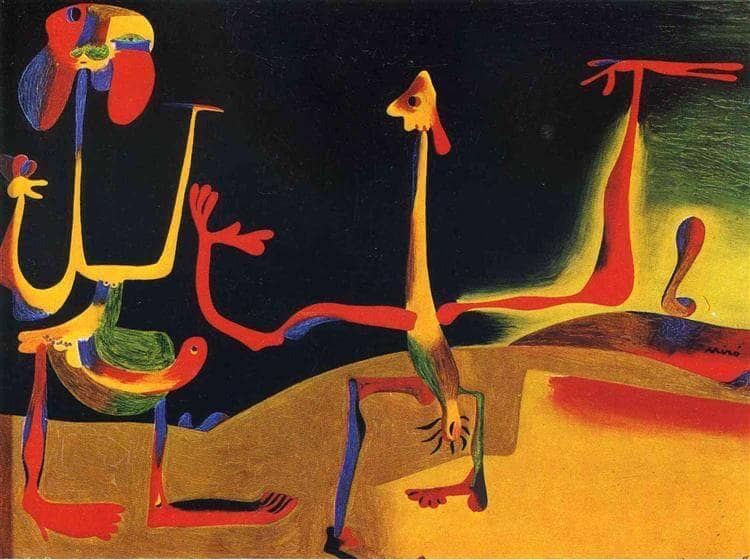
Here is Man and Woman in Front of a Pile of Excrement, from 1935 – a commentary on the horror of the political violence going on during the Spanish Civil War. It was meant to convey psychological distress:
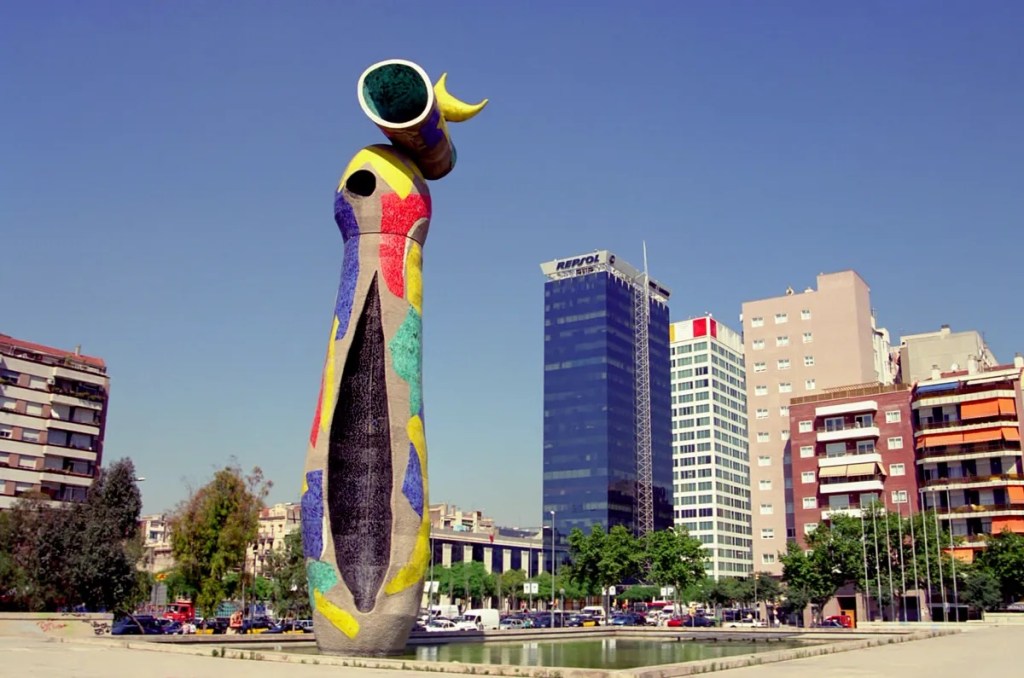
Here is the 72-foot tall Woman and Bird from 1983. You are not alone if you see something other than a woman and bird:
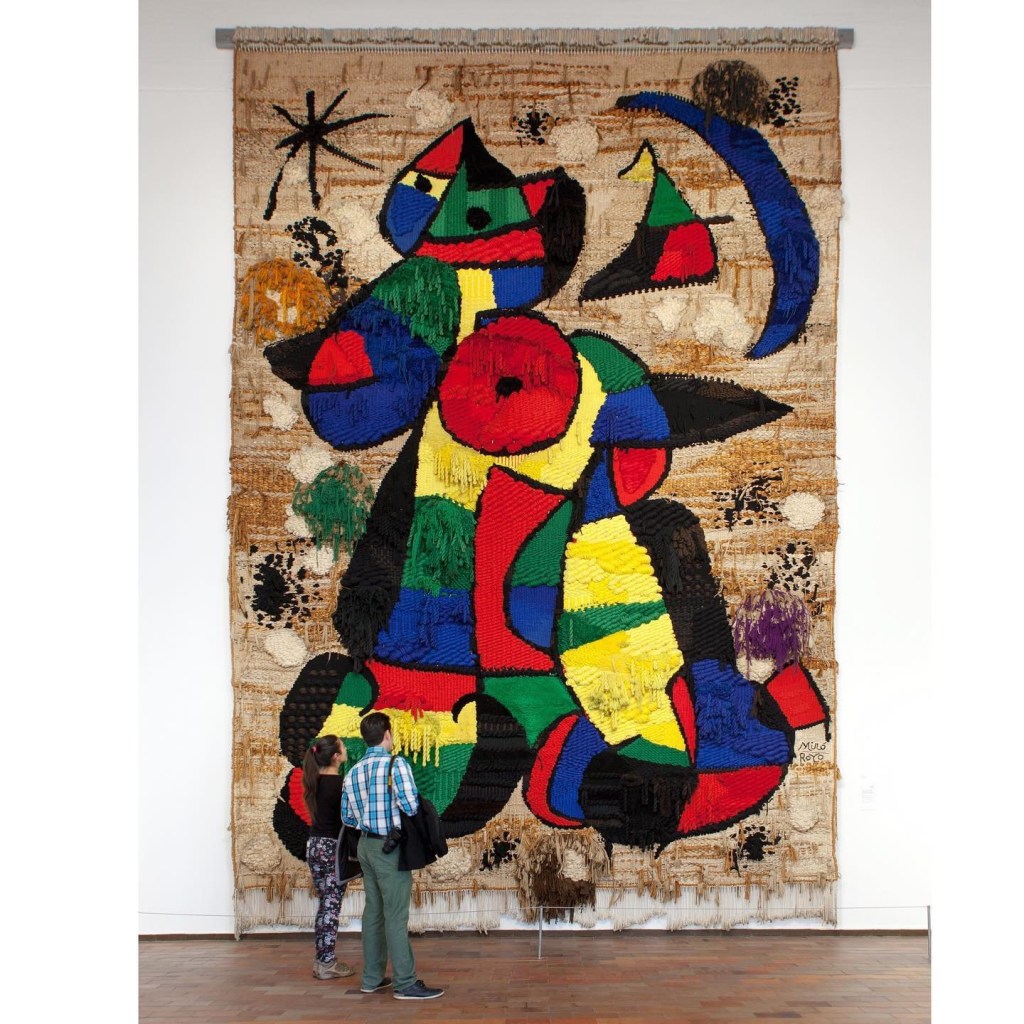
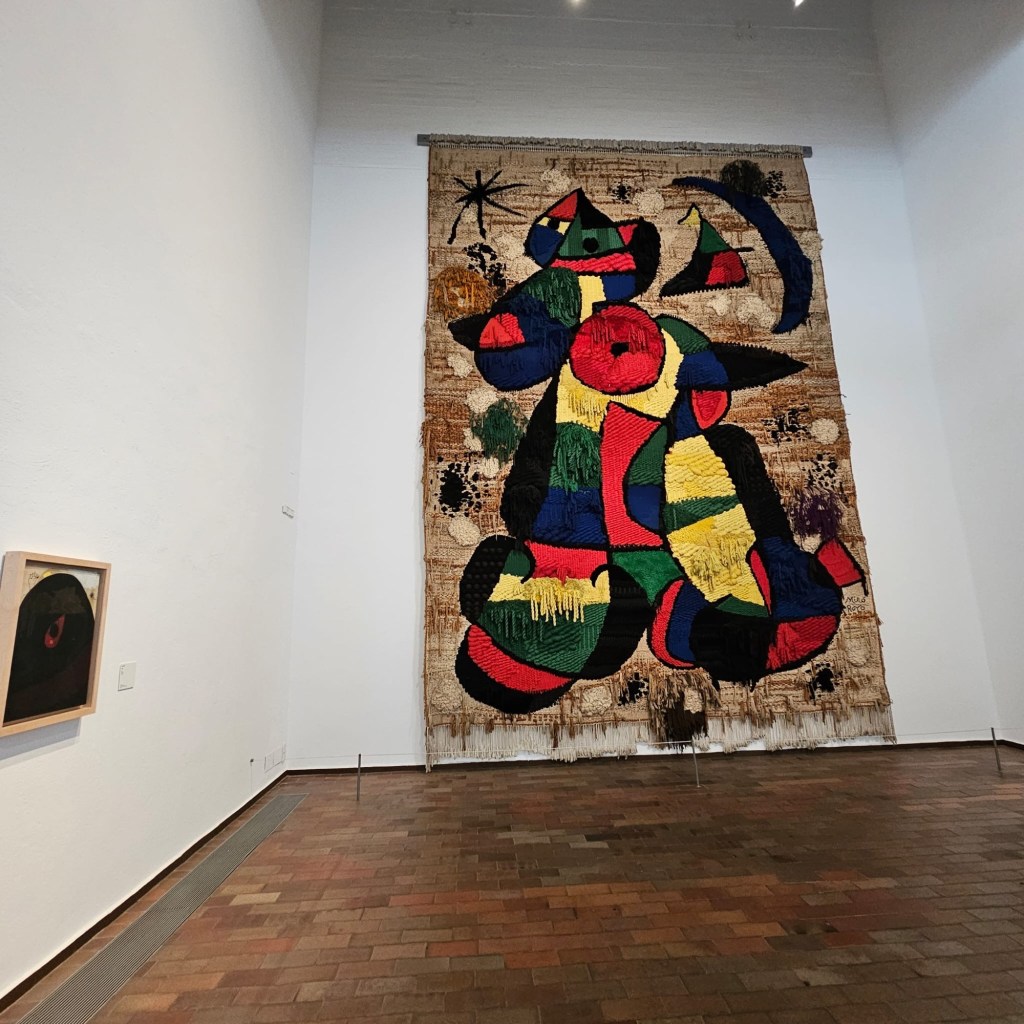
Finally, there is Tapestry of the Fundacio from 1979, with some included strangers to give you a sense of the scale. It’s 25×17 feet – made with wool, jute, cotton and more. After the Road Scholar tour was over, I went back to this piece (possibly the first time I have ever sought out a piece of art) and sat down and just pondered and can offer my first-ever art interpretation: it’s a penguin taking a stroll wearing a cat backpack, even if Google tells you differently:
We spent 5 days in Barcelona and so, in addition to discovering Joan Miro, I had time to see a lot. (In the interest of helping anyone similarly grieving out there – I also squandered a fair amount of time being sad about Ron. This is one of our favorite cities and I cried when I walked by a Burger King where I remember forcing Ron to have a flame-broiled Whopper he really, really didn’t want, given Barcelona’s extensive dining options:)
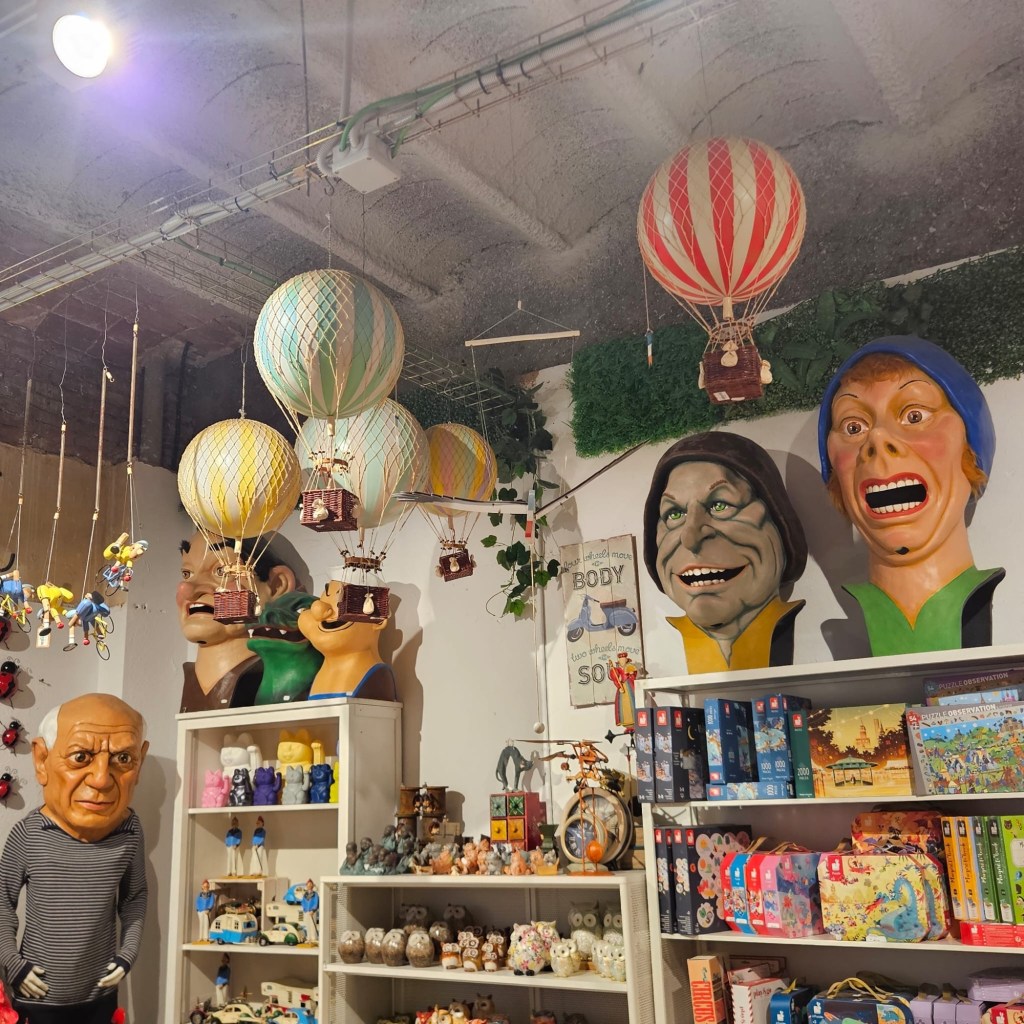
I cried in this store when I saw the hot air balloons that Ron and I always loved as a symbol of our travel/freedom/journeys, although the creepy men in the background helped me feel better/worse:
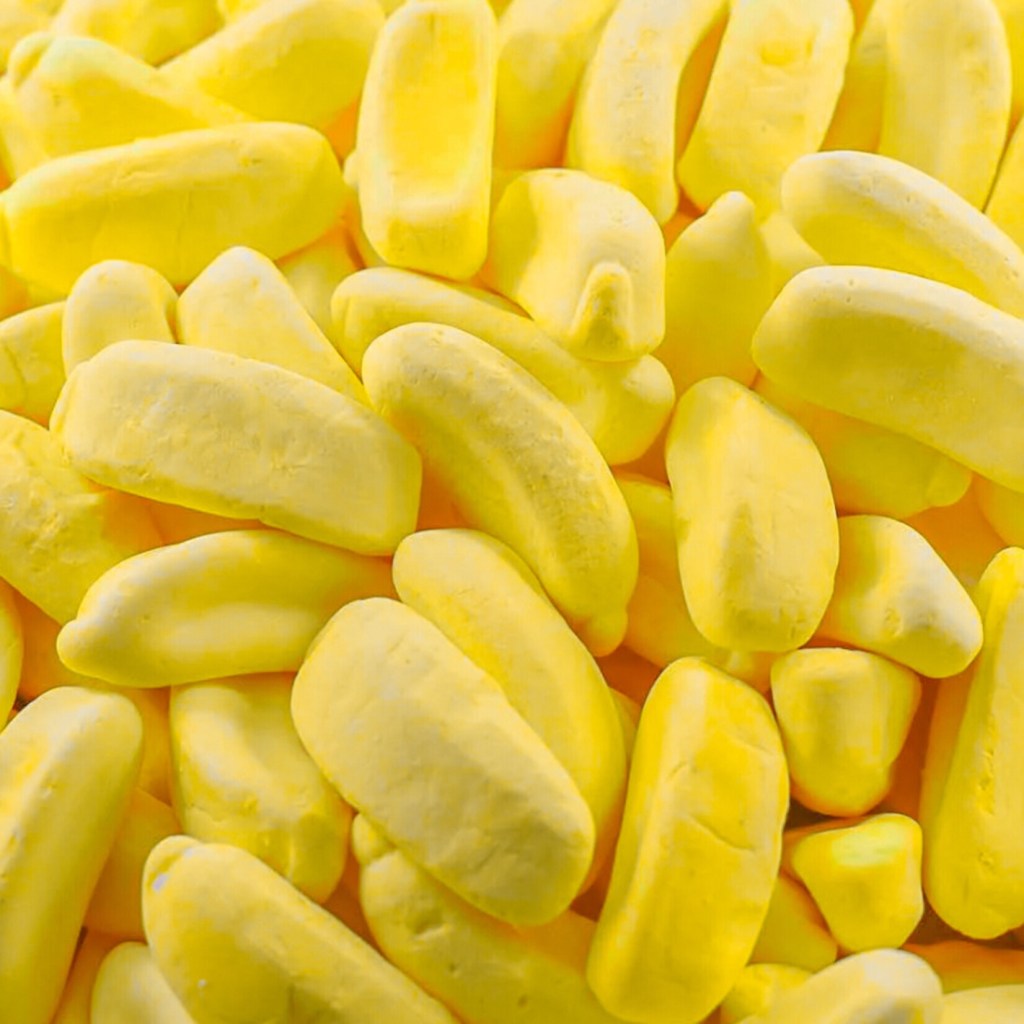
Even more embarrassing – I was also saddened when I came across these banana candies that all of us find to be disgusting but which Ron loved.
Grief is shockingly unpredictable and people always talk about the “waves” of grief, but to experience the extremely random events that trigger those waves gives me insight I didn’t have before. There are a few widows on this tour who have spoken freely about their experience and they all point to the one year mark as a key healing moment. Their assorted candor has been really helpful and I’m going to try to remember that – talking about grief processes grief.
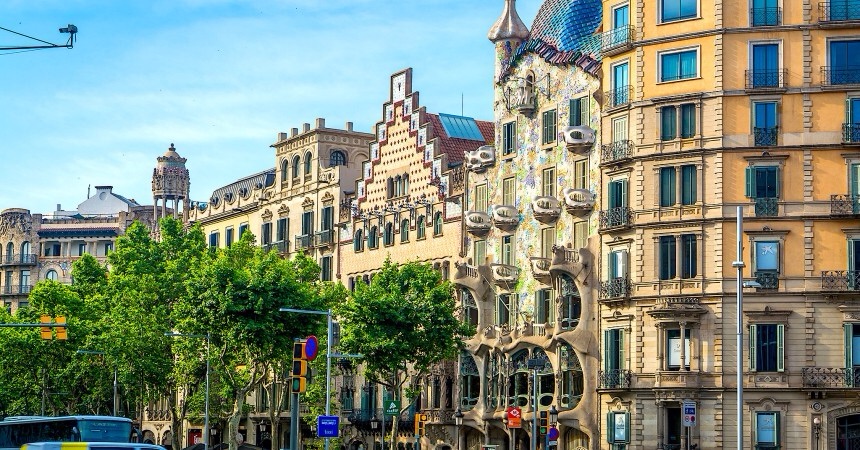
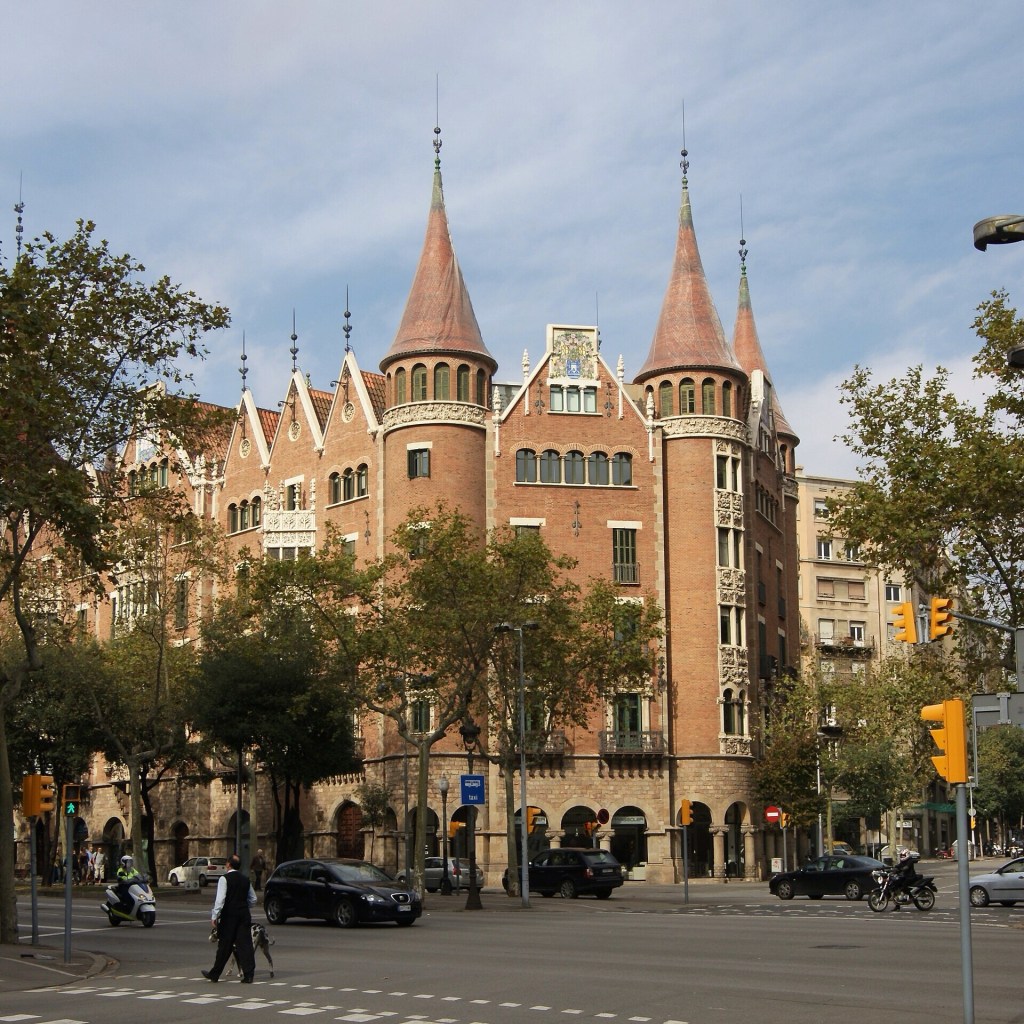
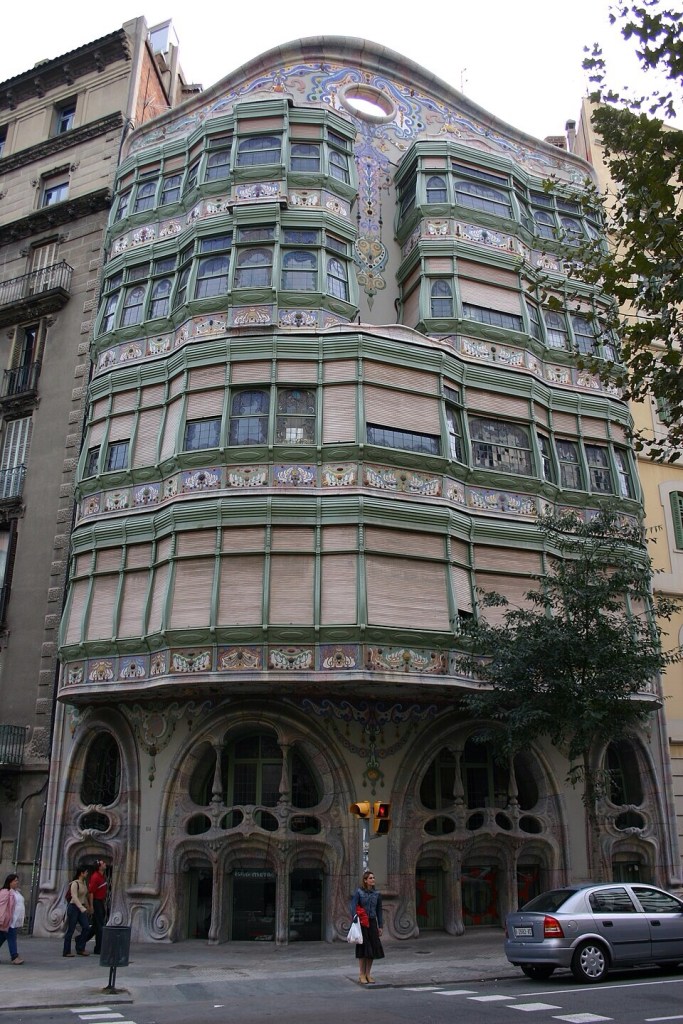
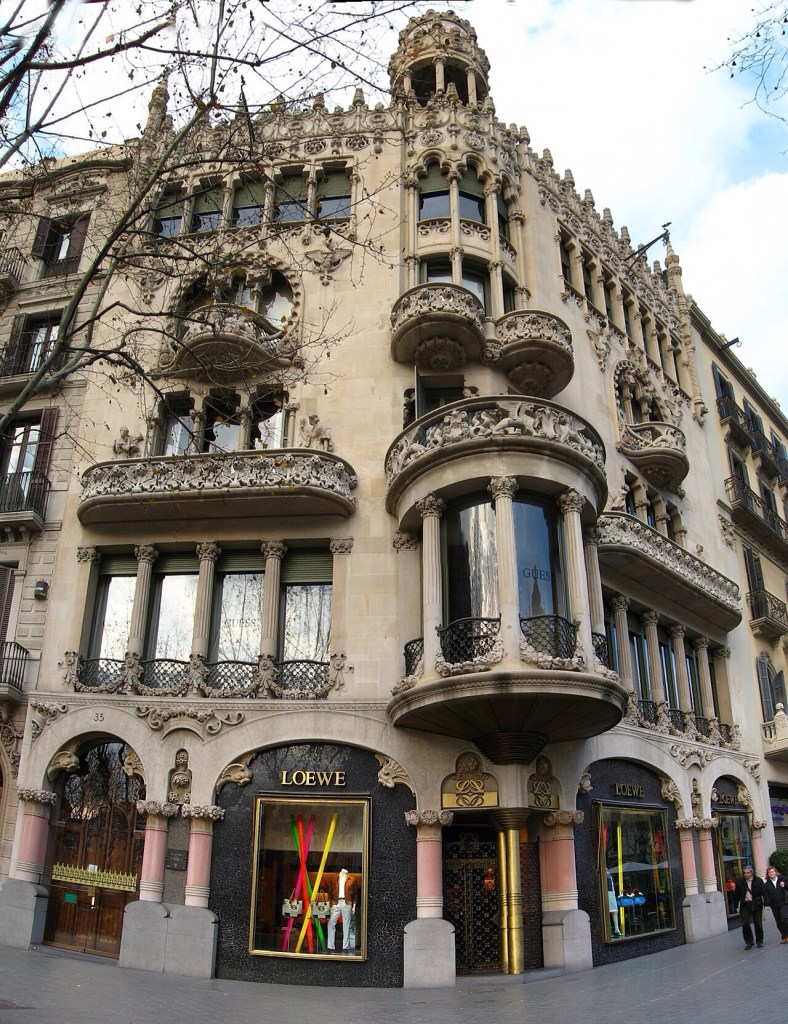
I did get my list of Gaudi/modernista sites accomplished. Gaudi architecture defines the Art Nouveau style that is evident all over Barcelona. There are over 2000 buildings that have at least a partial Modernist look. Here are a few random buildings:
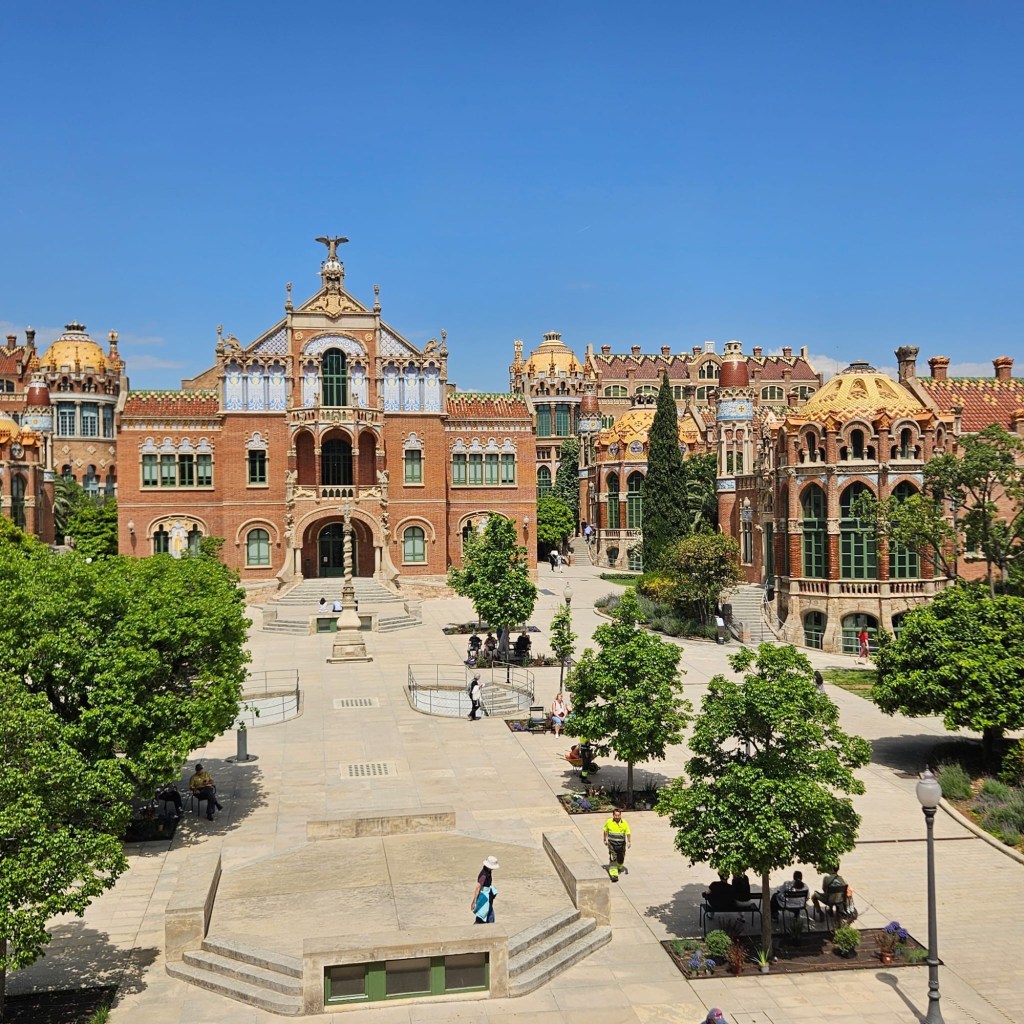
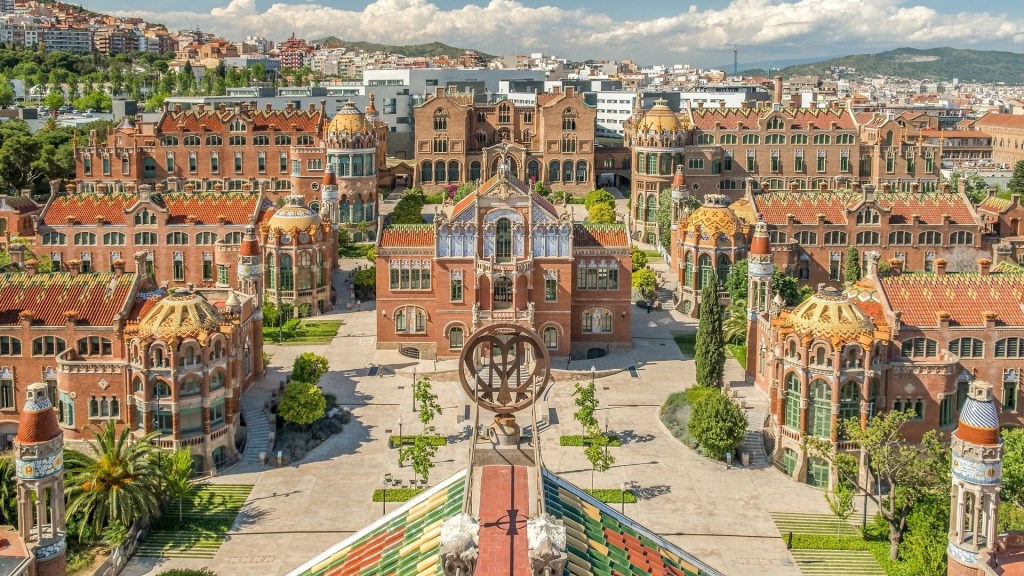
This is Hospital San Pau, which I’ve seen before, but had to see again. It was designed by Lluis Domenech i Montaner between 1901 and 1930. It functioned as an actual hospital until 2009. There are 27 buildings. It was designed to incorporate beauty and nature into healing. This is the largest grouping of Art Nouveau buildings in the world.
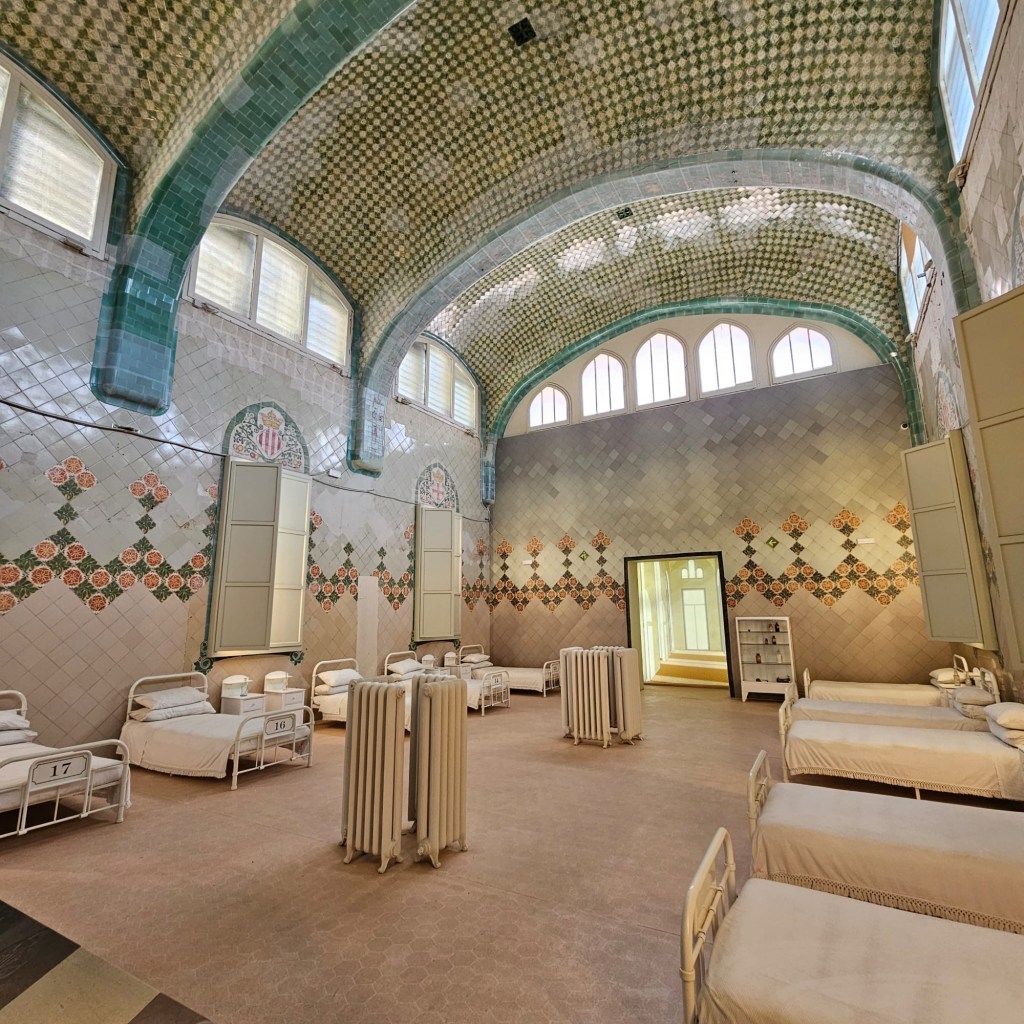
This one below shows an actual hospital ward. The gorgeous tile work was meant to create an atmosphere conducive to recuperation:
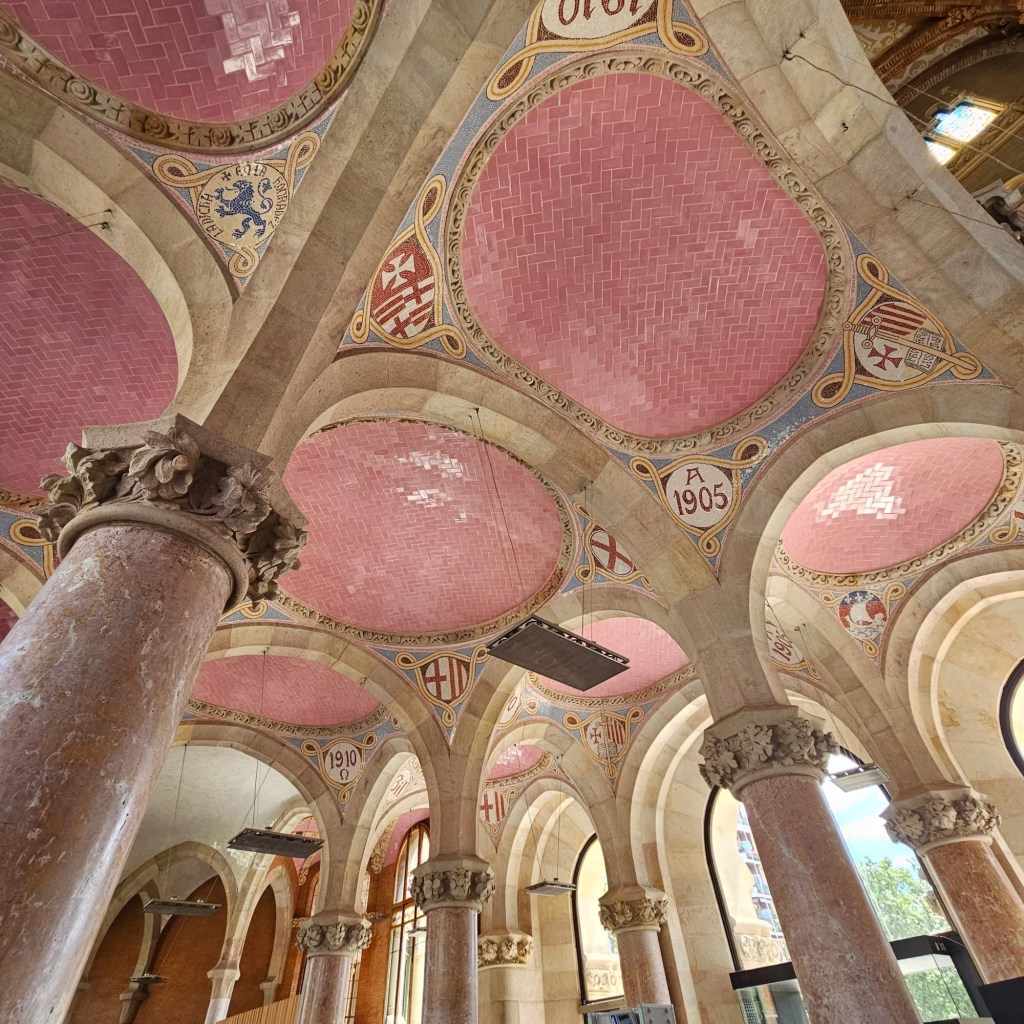
The extensive use of color and tiling was meant to create an outside “garden” world within the hospital walls. Below are some of my favorites. The pink tile ceiling of the administration building:
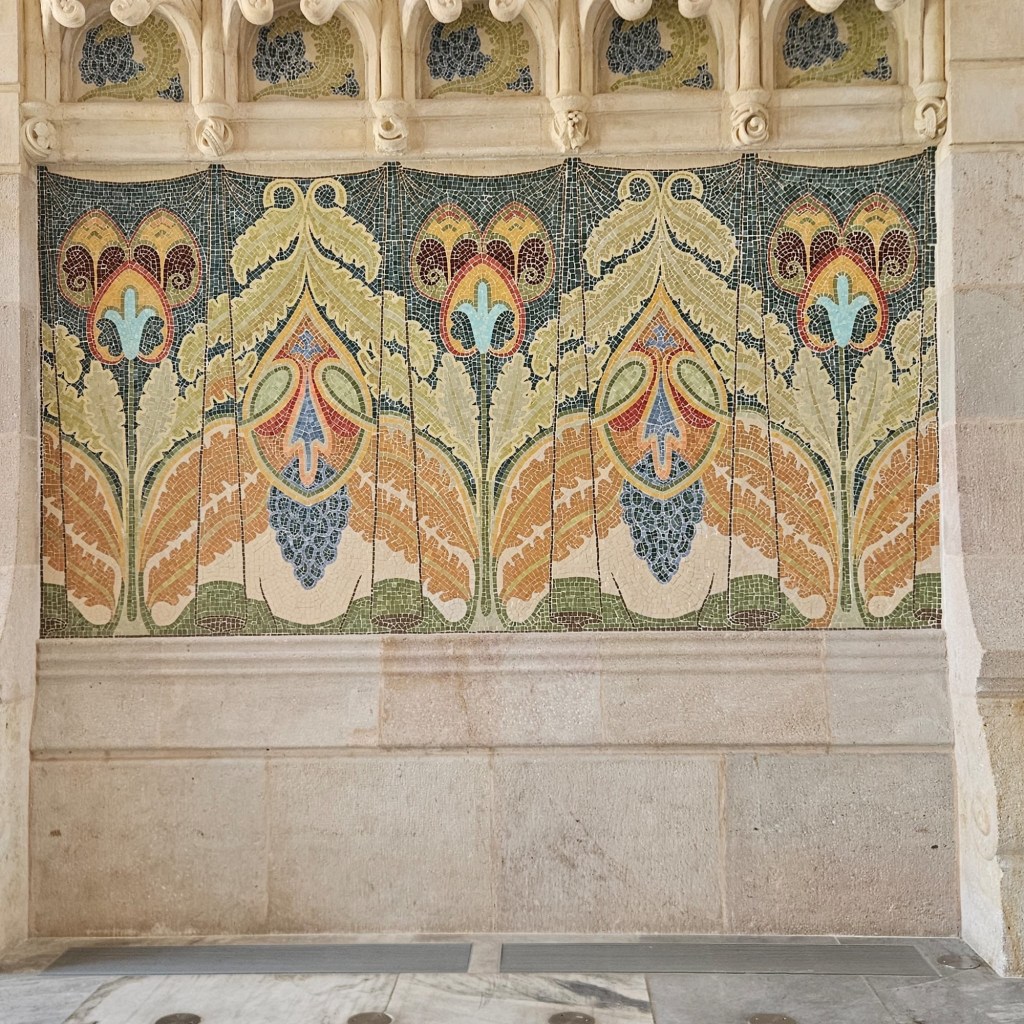
This mosaic garden:
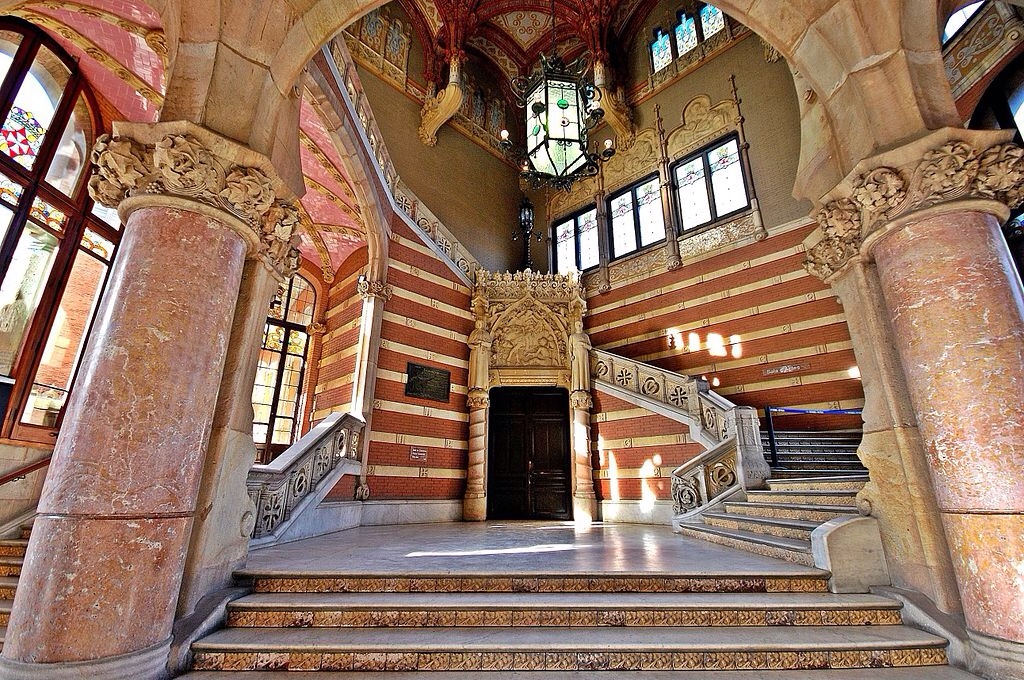
This is the administration building stairwell:
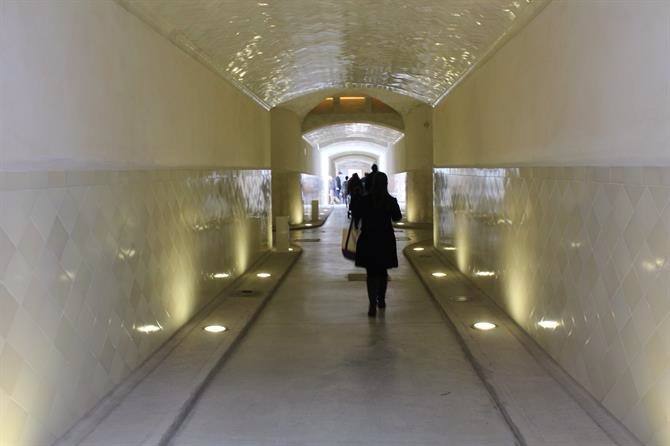
All of the buildings were connected by more than a kilometer of underground passageways, done completely in white:
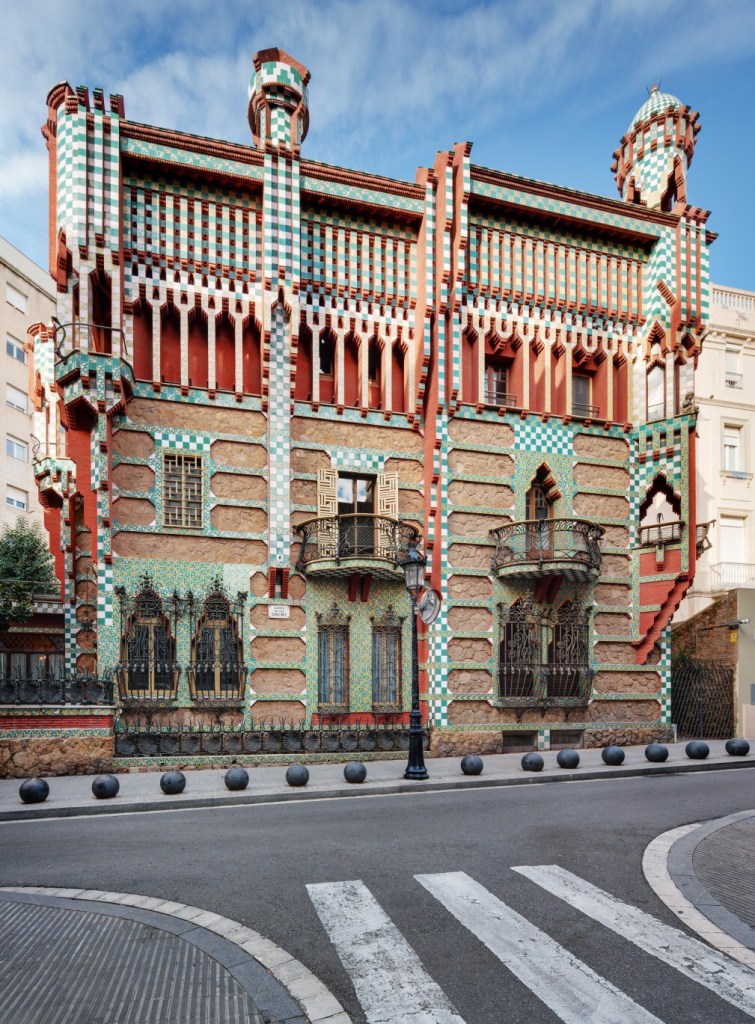
I also got into Gaudi’s first residential house this time – Casa Vicens, from 1883, when he was just a couple of years out of architectural school:
This is the smoking room:
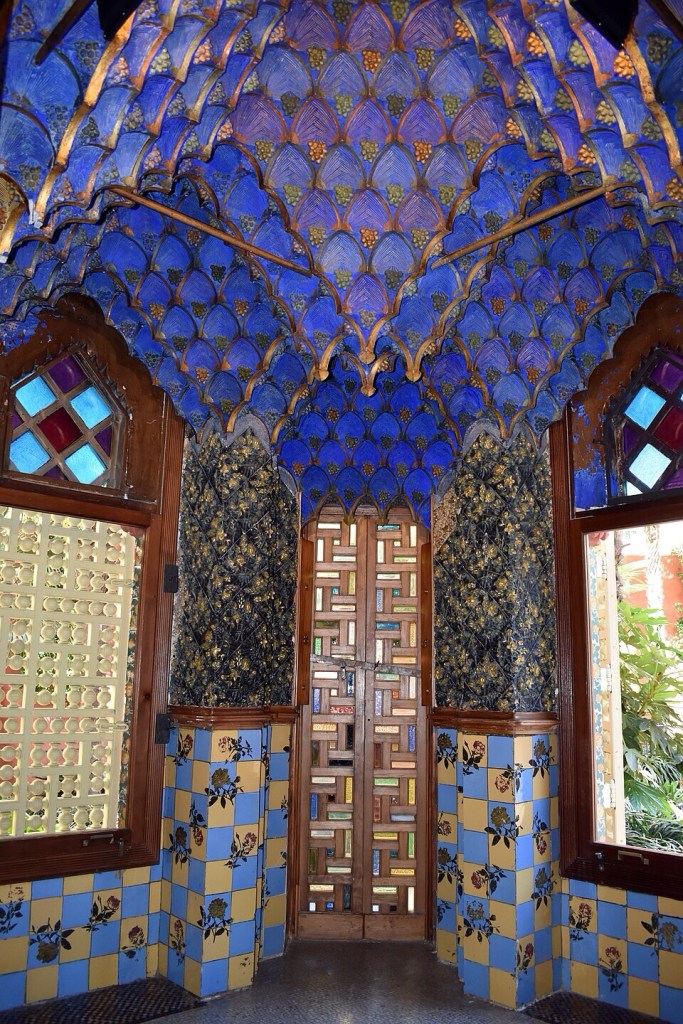
Casa Vicens had a stronger Moorish influence than some of his later work:
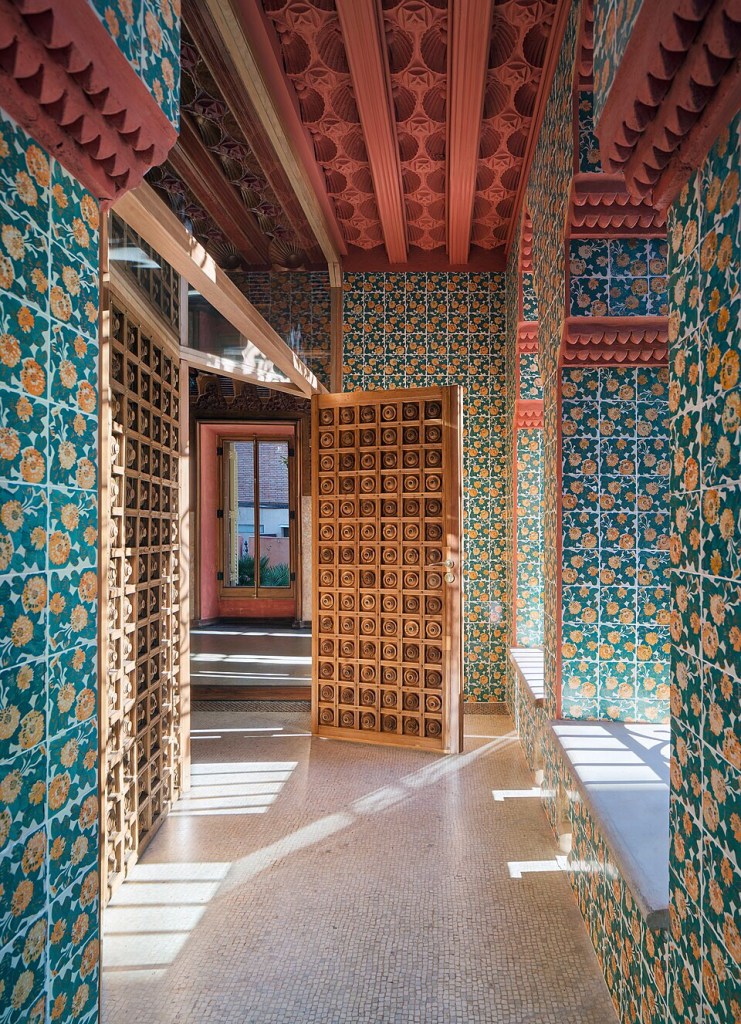
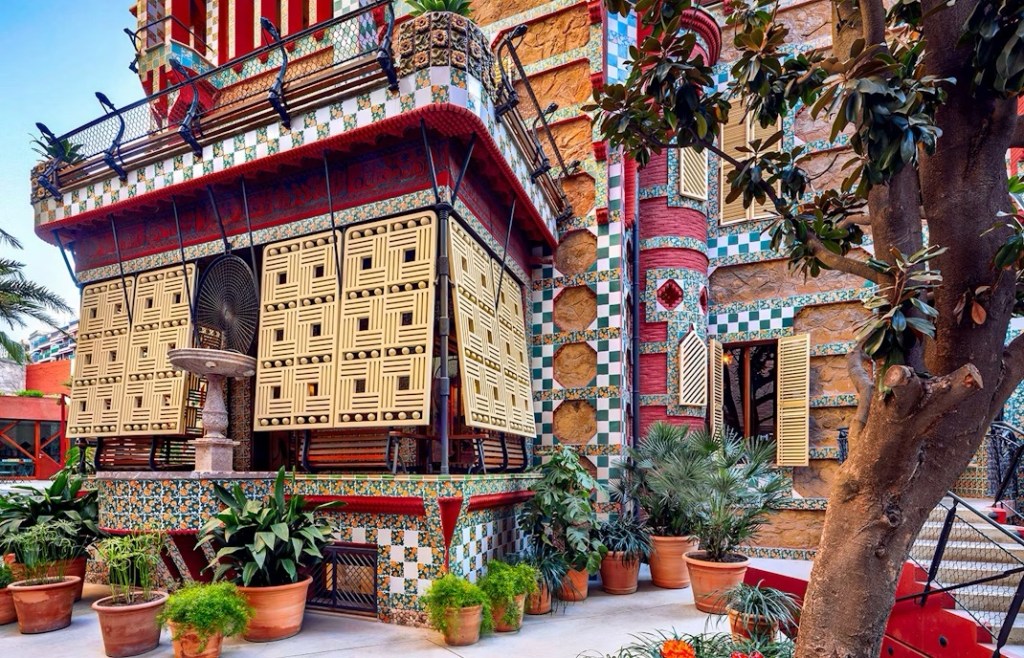
I’m done with my 30 days in Spain. Starting in the south and heading north, I’ve covered Malaga, Cordoba, Úbeda, Ronda, Granada, Seville, Madrid, Cuenca, Toledo, Burgos, Bilbao, and Barcelona. Looking at that list, I cannot possibly pick a favorite – but I know it’s not Granada, Madrid, or Ronda. I’ll be back in Spain next spring, covering the northwest corner – more of the Camino cities, but still no Camino due to strong allegiance to bus air conditioning.
Next up is Provence in France. I’m excited to head north for a couple of reasons. One is that I’m meeting up with some friends and the rest of this trip will no longer be solo. The second is that my next hotel has a dedicated laundry room, which is where I’ll spend my first few hours in Aix-en-Provence.
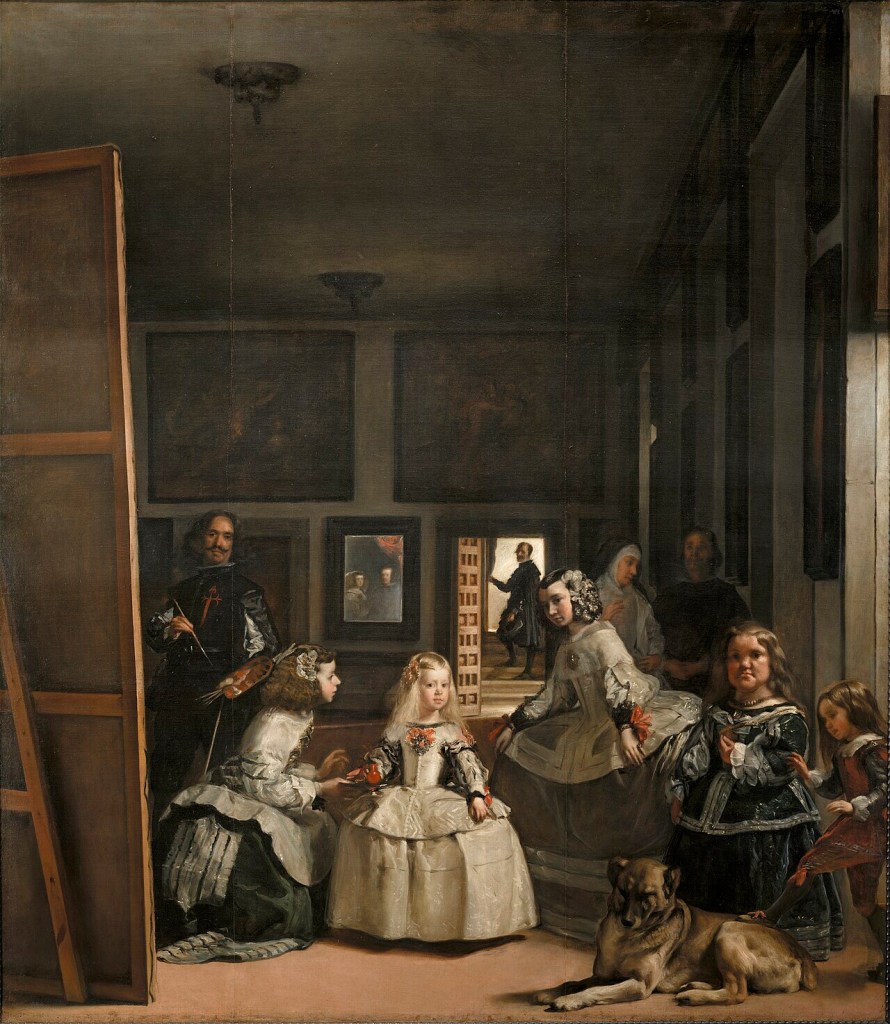
Was Road Scholar successful in teaching me to appreciate art? I’d have to say yes. The thing I liked most was learning about the side stories of the artists – how their upbringing impacted their art and then – even cooler – how early artists impacted thousands of future artists. I’m still struck by Velazquez and his Meninas in 1656:
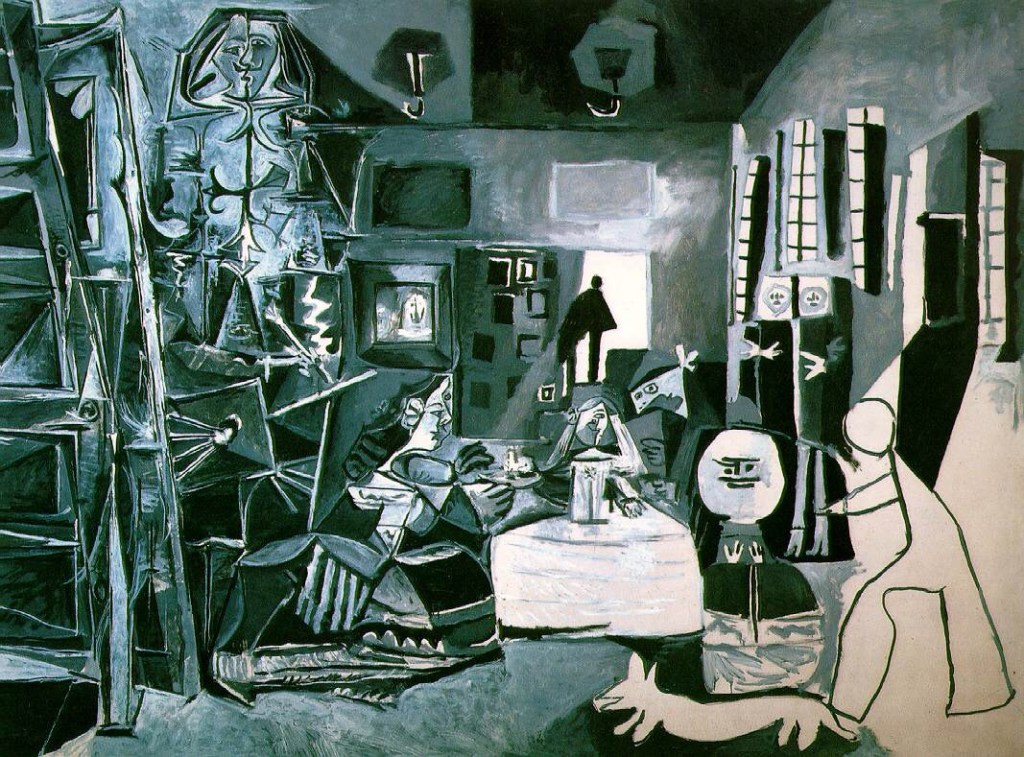
And how Picasso made 58 paintings en homage 300 years later:
And then I’m struck by the fact that Picasso was friends with Miro and Miro made Woman, Bird, Star as a dedication to Picasso and his art:
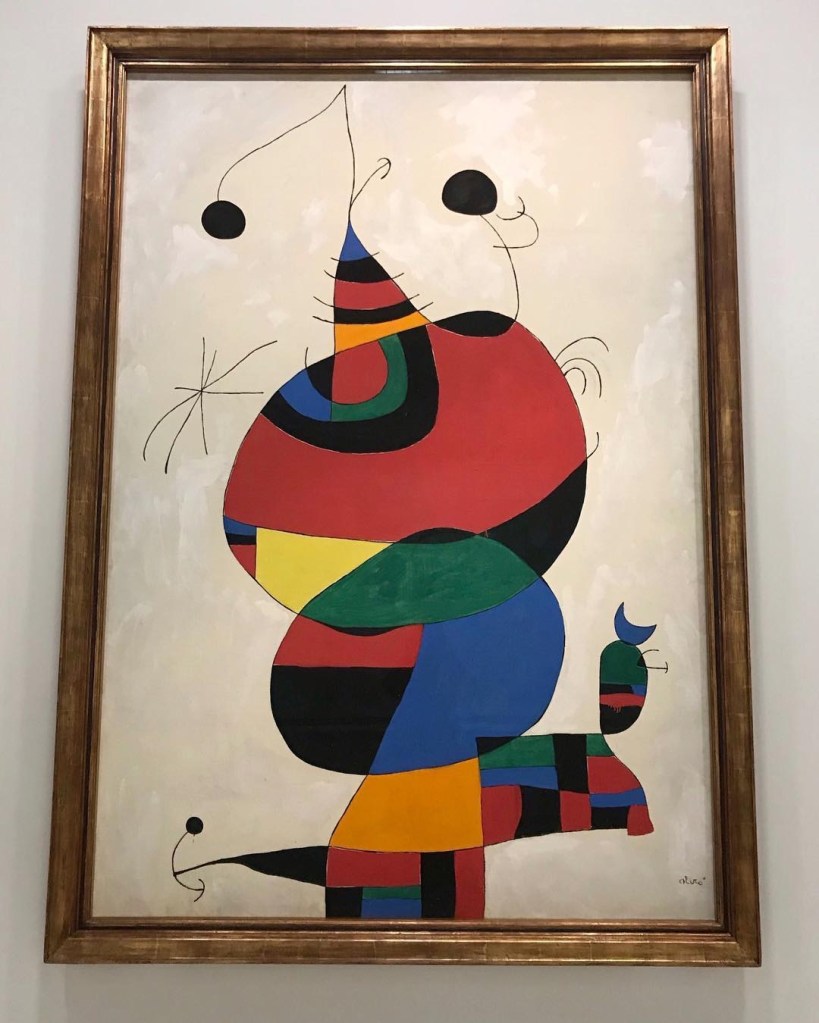
And in the end I’m overwhelmed – the idea that all of these artists, working together for hundreds of years, can lead me – bread-crumb style – through the streets of Spain until, needing an eye doctor, art shows me the way.


I knew Barcelona had great architecture (I’ve never been there), but I had never seen photos of most of the buildings in your post. They are just fabulous! Now I am wondering if I should put Barcelona on my list. I only hesitate because my list is already longer than the time I have left to travel.
Miro has been my favorite artist since high school. I knew he was a man, but I have always wondered how you pronounce Joan. I read once that it is pronounced ZOH AHN, but never heard that again. If you could enlighten me, I would be very grateful.
LikeLike
You should definitely put it on your list – the huge presence of the elaborate buildings makes it really unique. And as to Miro? How did I never notice any of his stuff – he does it all and it’s all crazy and fun and visual. After I confessed that I thought he was a woman, the Road Scholar guide gave me a little summary and told me how to pronounce the name but I’ve already mucked it up in my head. It was a hard-sounding version of Juan, though.
LikeLike
That helps; thanks!
LikeLike
Beautiful, all of it. The photos, the stories, the humor, the humanity of your — and others’ –grief. Also if you’re taking requests (lol), I’d *love* a deeper breakdown of the city list of favorites/NOT favorites!
LikeLike
Thank you…you’re always so kind:) As to cities…I feel like it would be Barcelona, Seville, and Malaga for a nice range. If time for more? Cordoba. And then even more time? Bilbao. But these are all so spread out:(
LikeLiked by 1 person