I think it’s testament to how much I love Arles that I spent the first two nights here in that terrible Room 31 and was still supremely happy. But during night two I noticed that – as I shifted and turned in a normal and ordinary sleeping fashion – the sheets would feel wet in a really unsettling way. I feel like I’m grown up enough to do rat infested OR oddly wet/moist, but I just can’t do both, especially when I am expected to go to the bathroom basically out on the street.
So I pled my case and was assigned what everyone said is a fabulous room and was told that I can’t tell anyone about my room. So I’m only showing you people – a room this special has to be shared. Here’s a picture from my balcony for people who won’t watch a video and a little video down below:
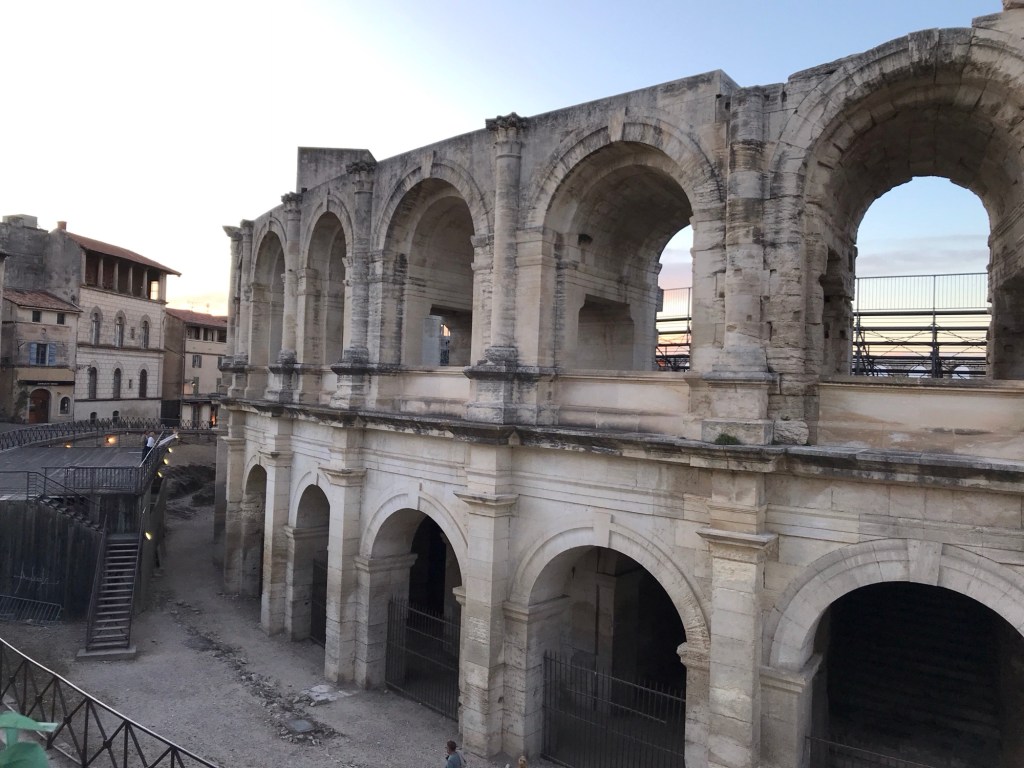
I’ve also discovered that I wasn’t totally done with art – I was only done with trying to figure out whether Paul Cezanne would paint corn or wouldn’t paint corn. I’m a whole different art student in Arles.
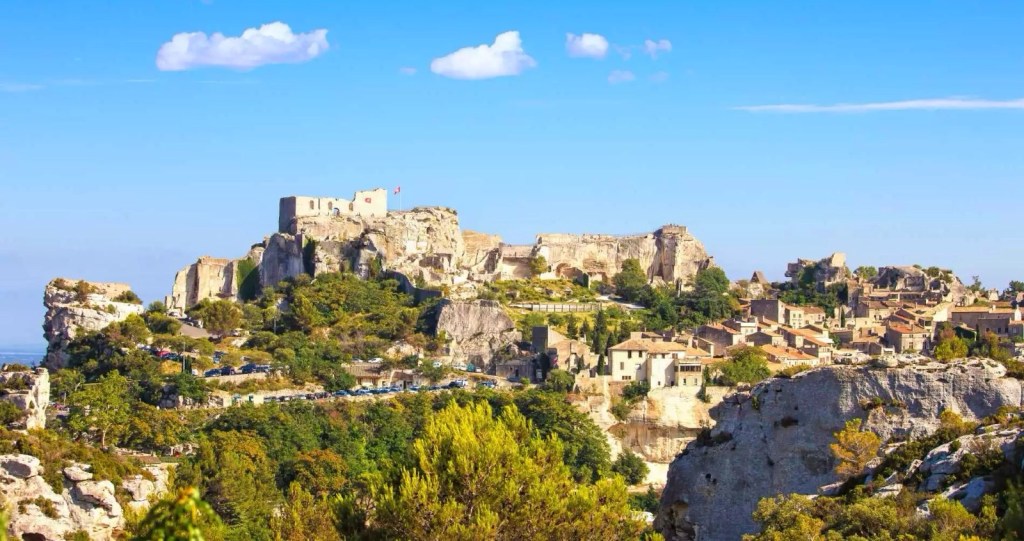
Our Road Scholar tour took a day trip out to a light show called Carrieres des Lumieres in a small village called Les Baux-de-Provence.
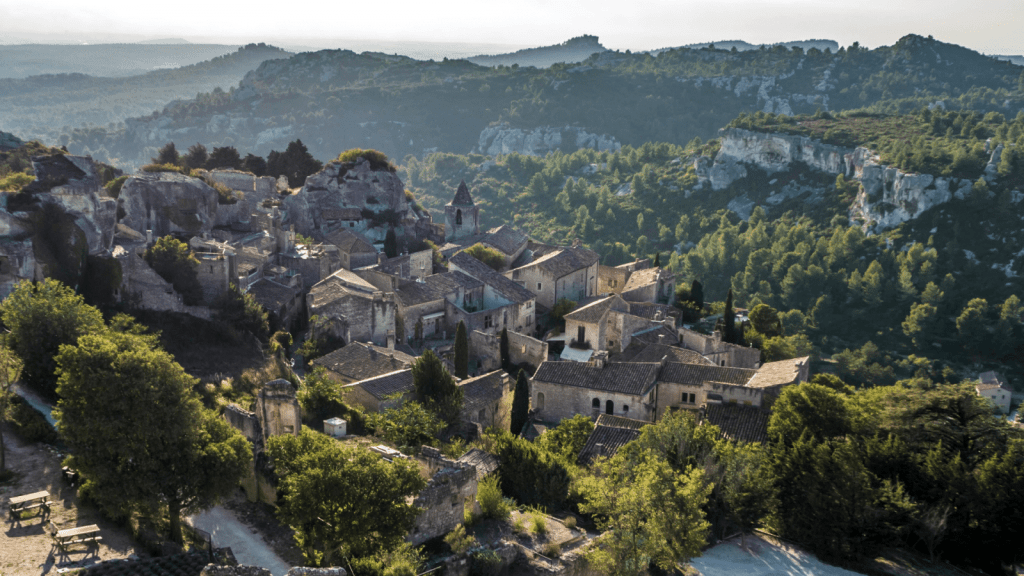
Les Baux is a tiny village of 264 people that receives over 1.5 million visitors a year. There has been a human settlement here since 6000 BC:
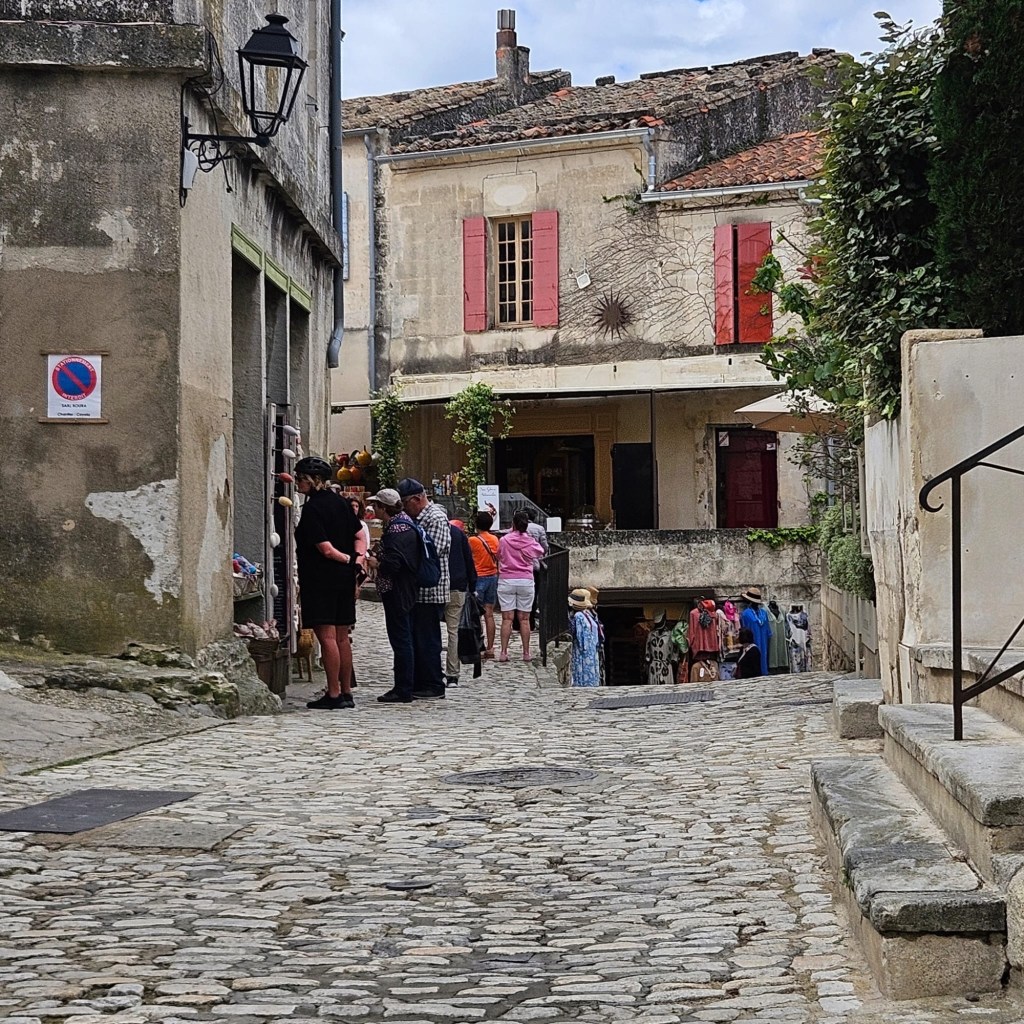
The interior of the village is beautiful:
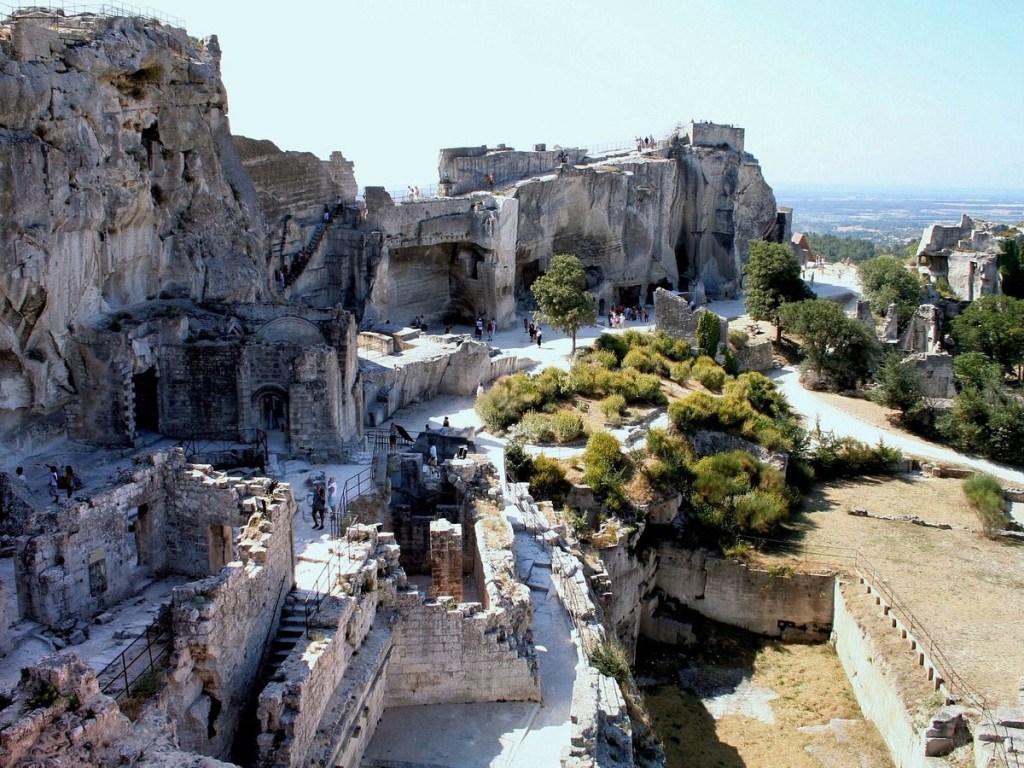
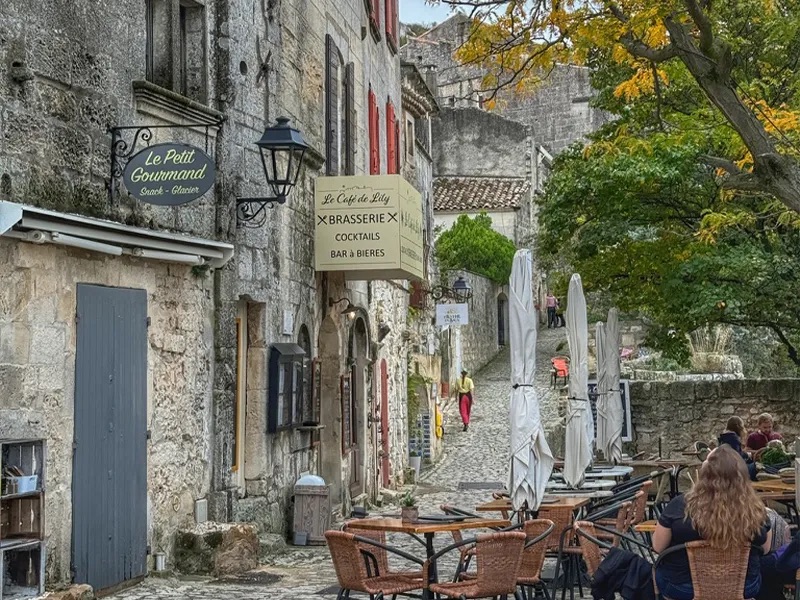
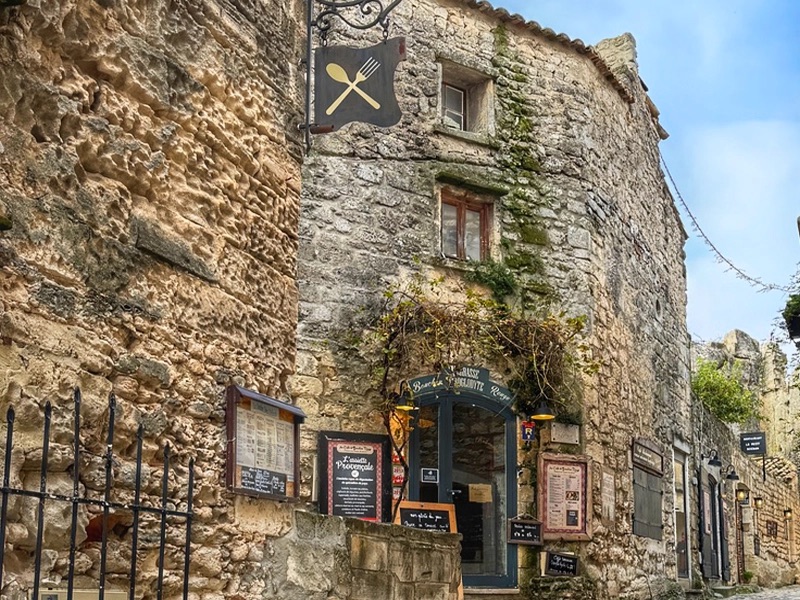
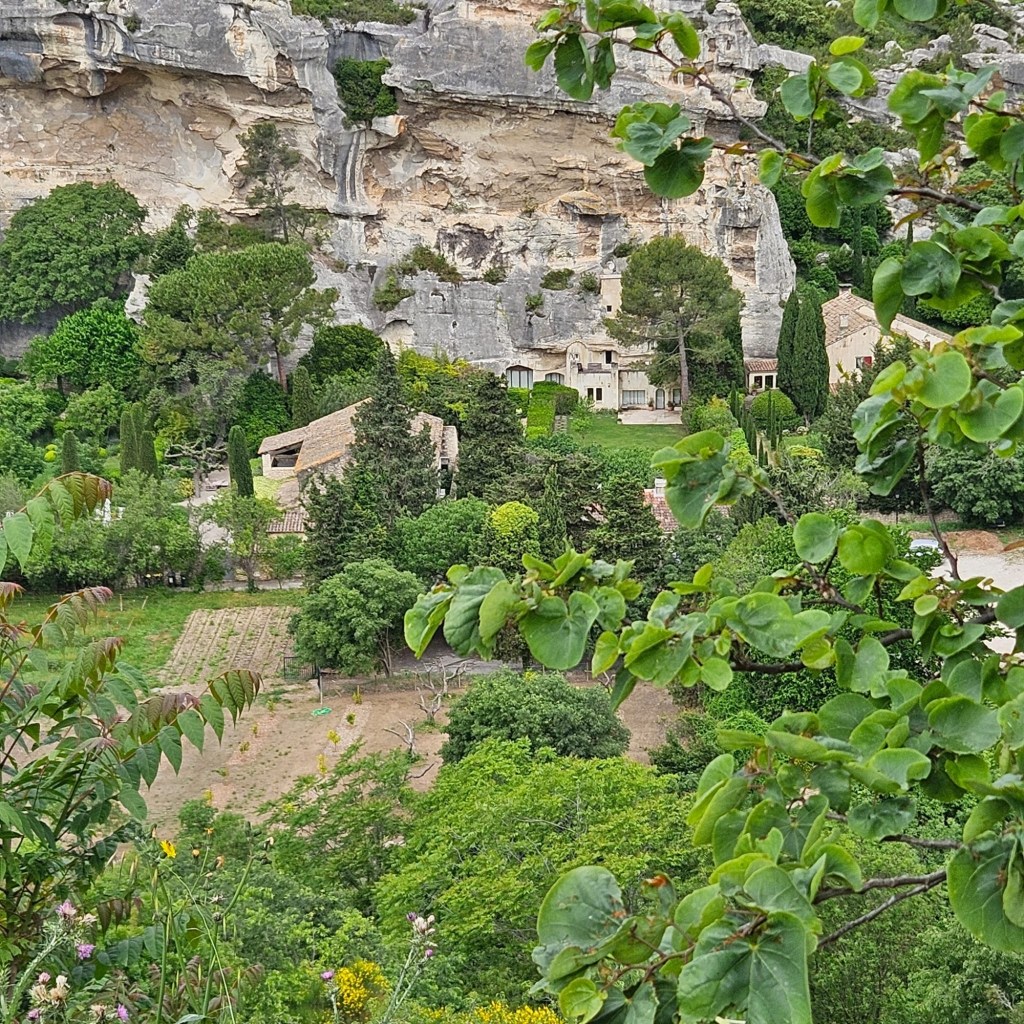
From the edges of the hill town, you get great views of the troglodyte houses nearby:
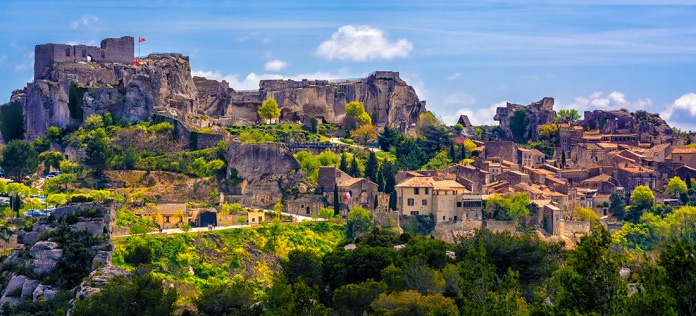
And just the beautiful hillsides:
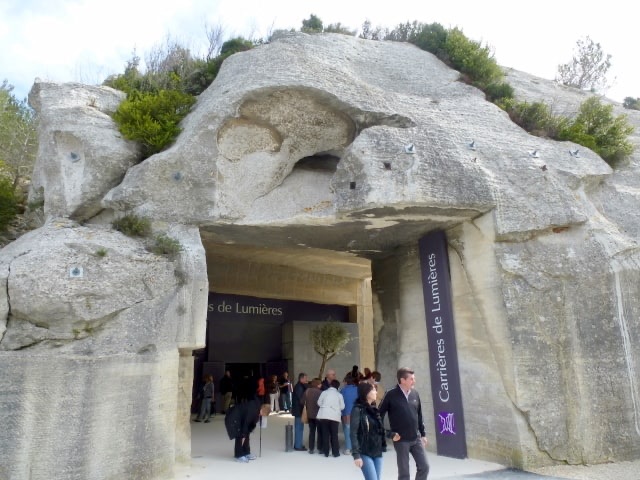
In addition to strolling the village, we also got an hour at the light show, which is set in an old bauxite mine:
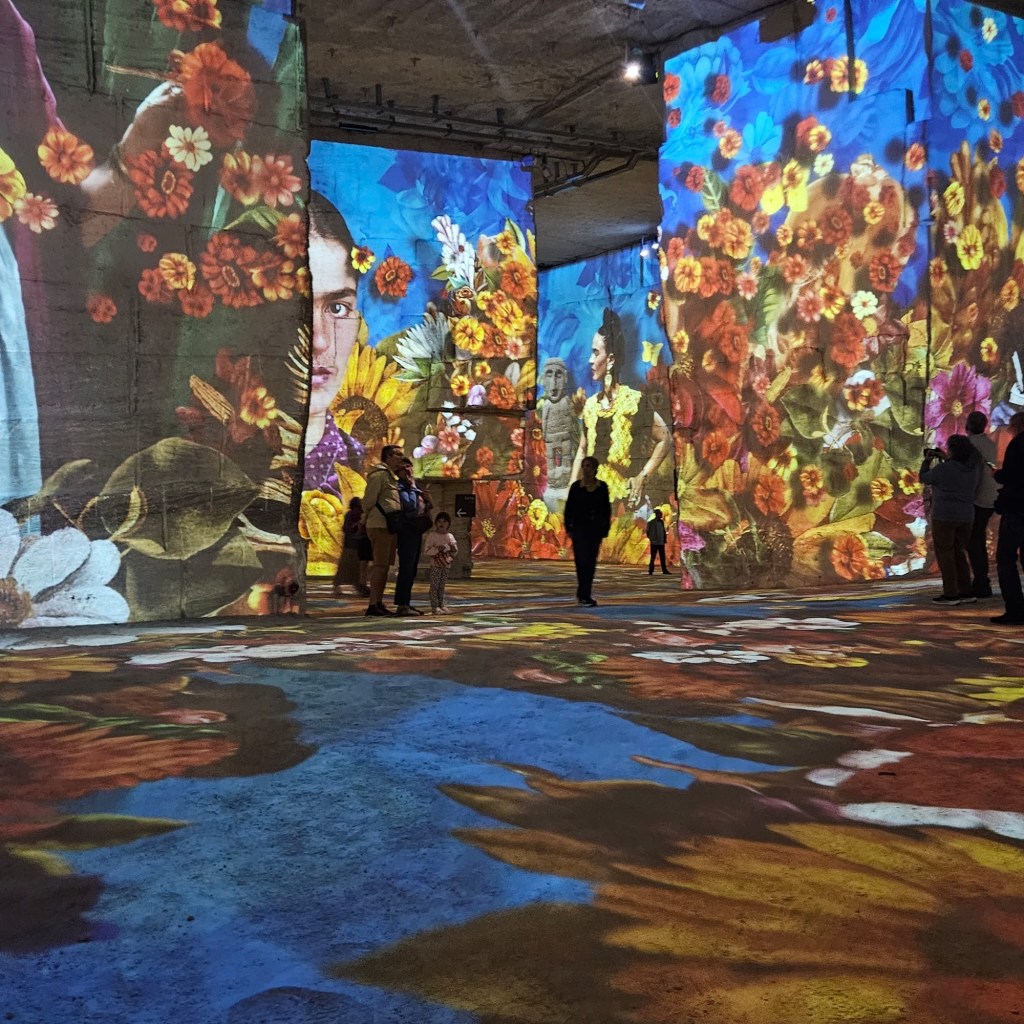
There was a Frida Kahlo show:
There was also a 30-minute Picasso show:
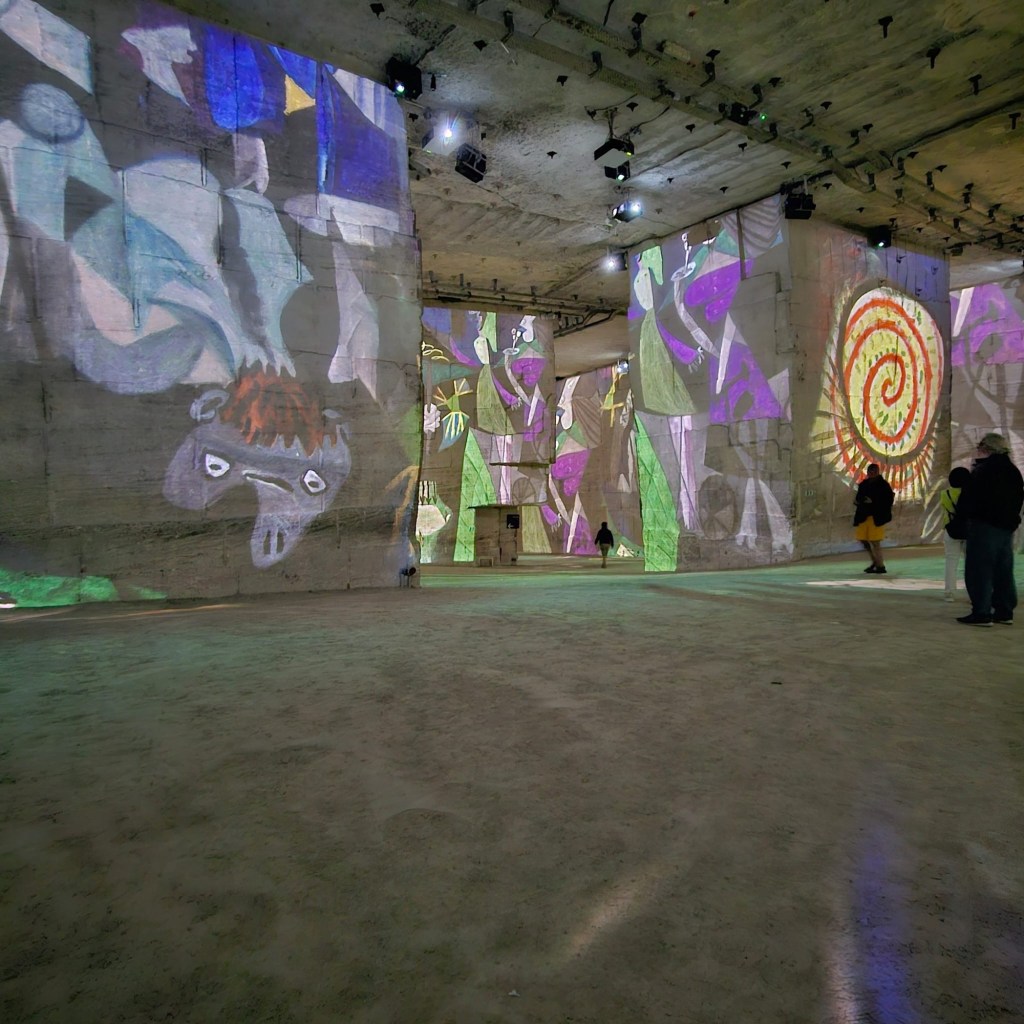
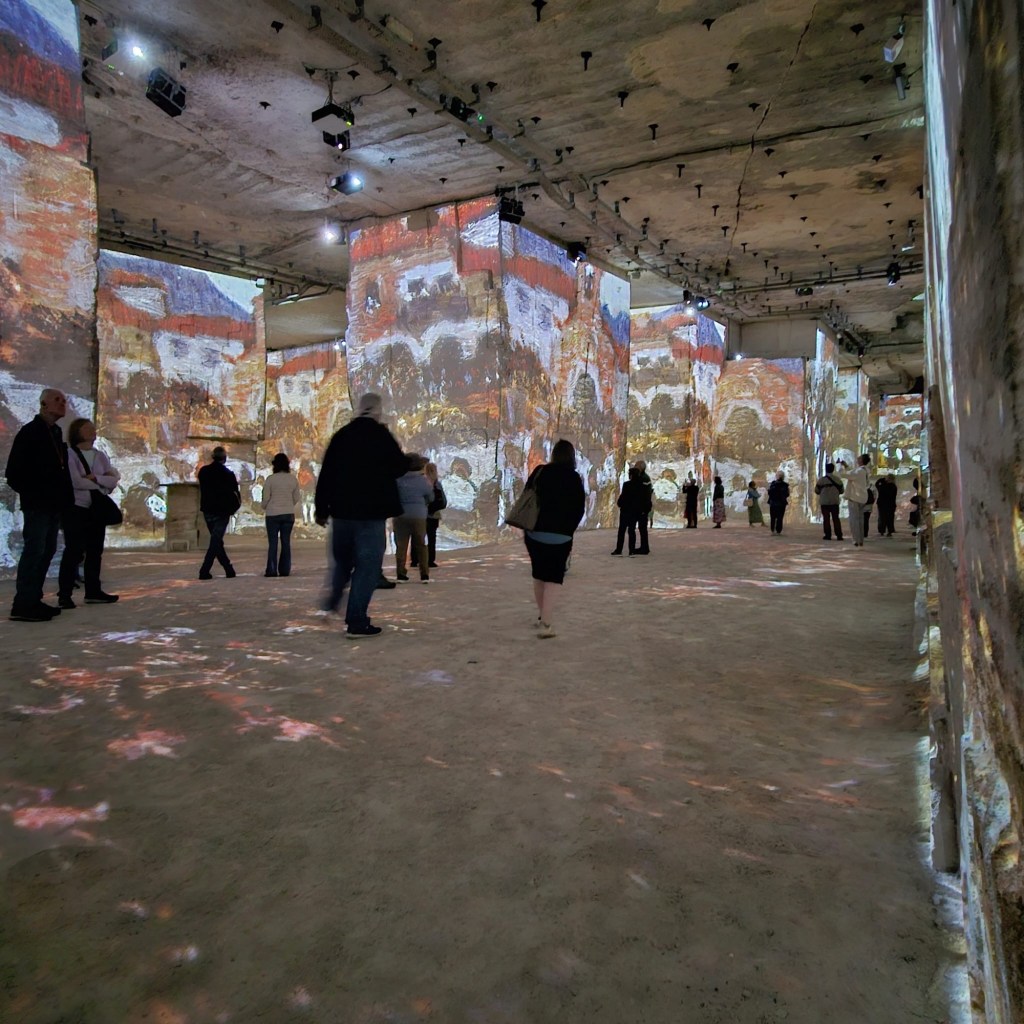
I knew I was going to love this place for the digital art – but I didn’t realize Carrieres des Lumieres would provide the AHA moment of this entire 47 day trip – when it became clear to me that I have learned something concrete about art. Partway through the PICASSO art show, the following VELAZQUEZ Las Meninas picture showed up:
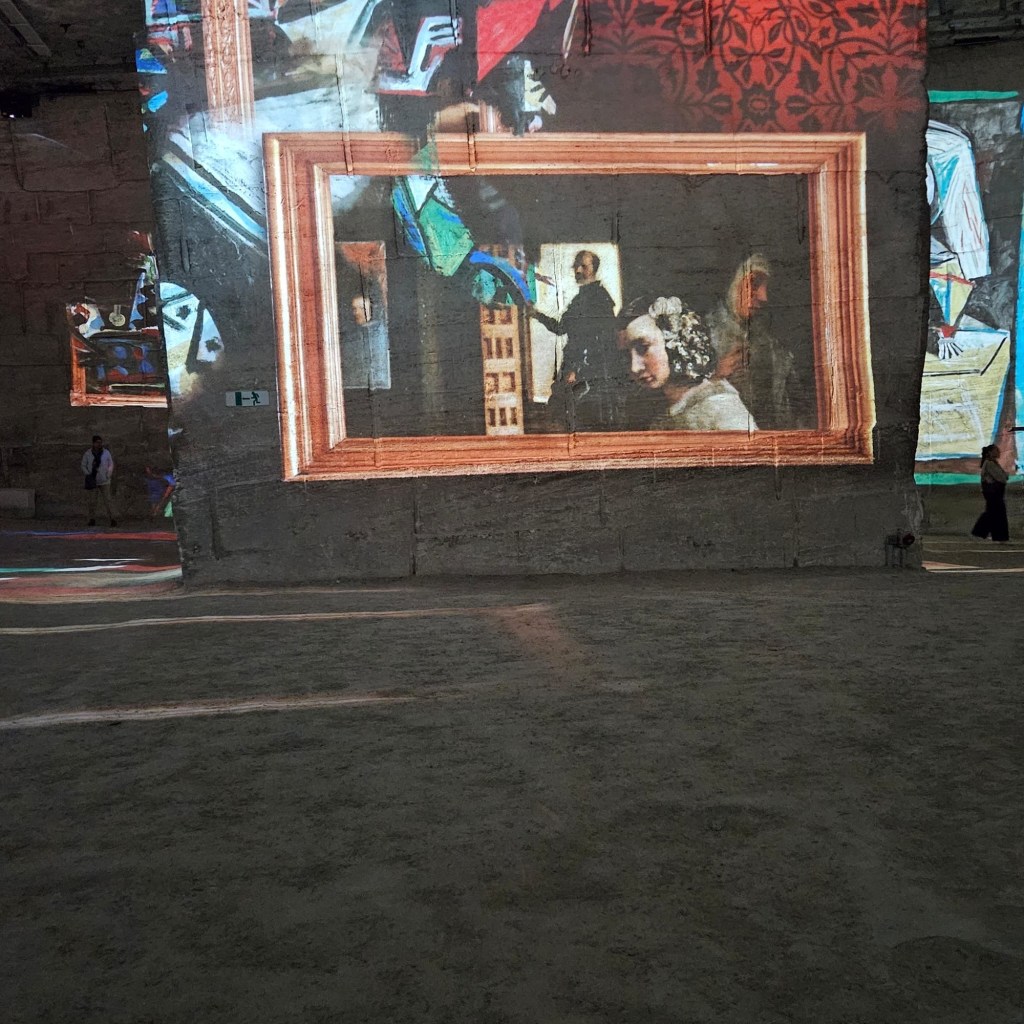
Remember way back in Madrid…sometime in April…when we all learned that the 1656 Velazquez Las Meninas picture is one of the most important and most studied pictures in the entire history of art? Well I actually recognized the Meninas as it was projected on the wall and MOREOVER – I knew why it was inserted into the middle of a Picasso retrospective – because we learned that Picasso loved Las Meninas and did a 58-picture homage to Velazquez in 1957.
This might be the single greatest art moment of my entire life and certainly makes it seem worthwhile that I spent (refuse to supply financial figure here) to transform myself into an art historian.
I want to discuss one other artist with you but first need to share my most recent margarita pizza (15 Euros):
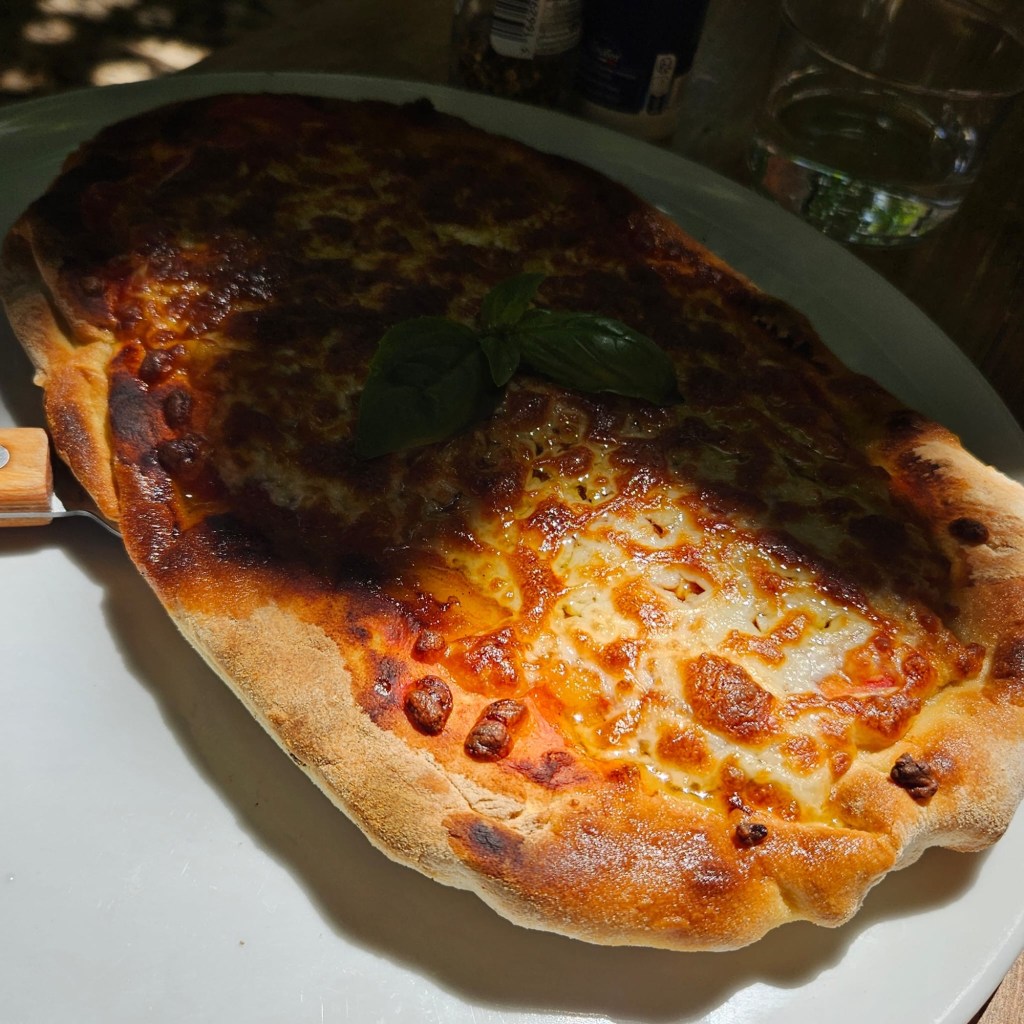
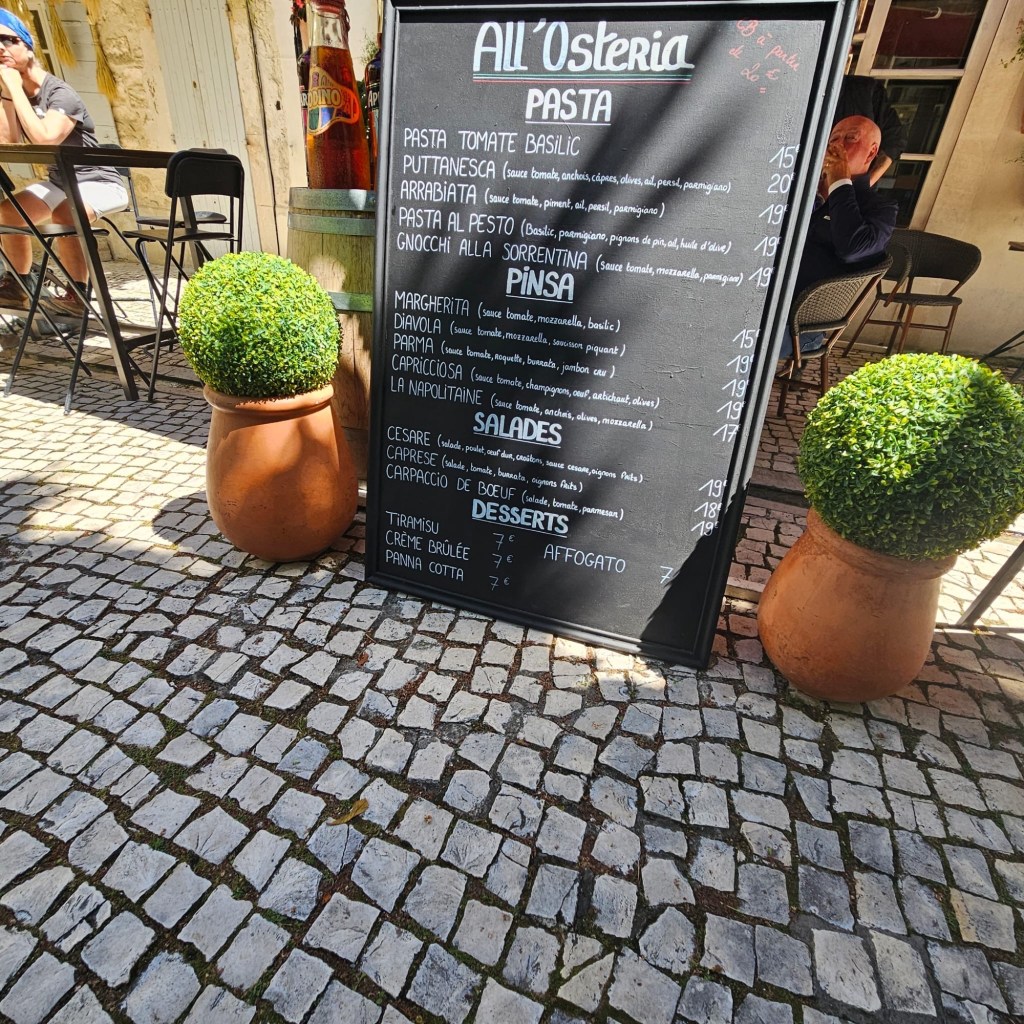
The best thing about this pizza was the ordering system the restaurant used. Instead of spending money for a printed menu (or toilet paper and soap for the bathroom) – for each customer – they carry this huge chalkboard over to your table and let you read it over:
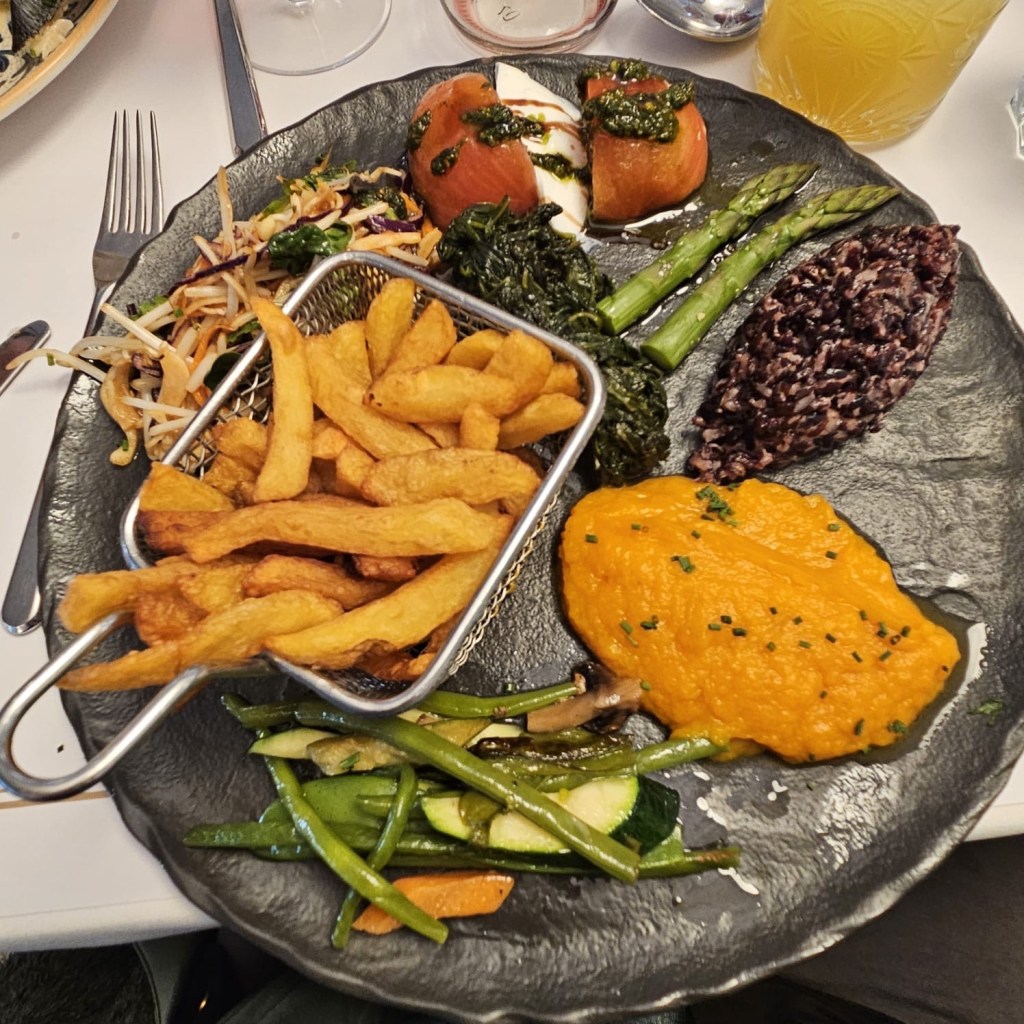
Here’s (finally) a non-pizza picture for you. This was some restaurant’s idea of a vegetarian lunch. Someone must have told them I require an entire buffet on a plate: fries, sesame salad, stewed tomatoes, buffalo mozzarella, asparagus, red rice, sautéed spinach, puréed carrot, and sautéed vegetables. (Note: no corn, per Cezanne).
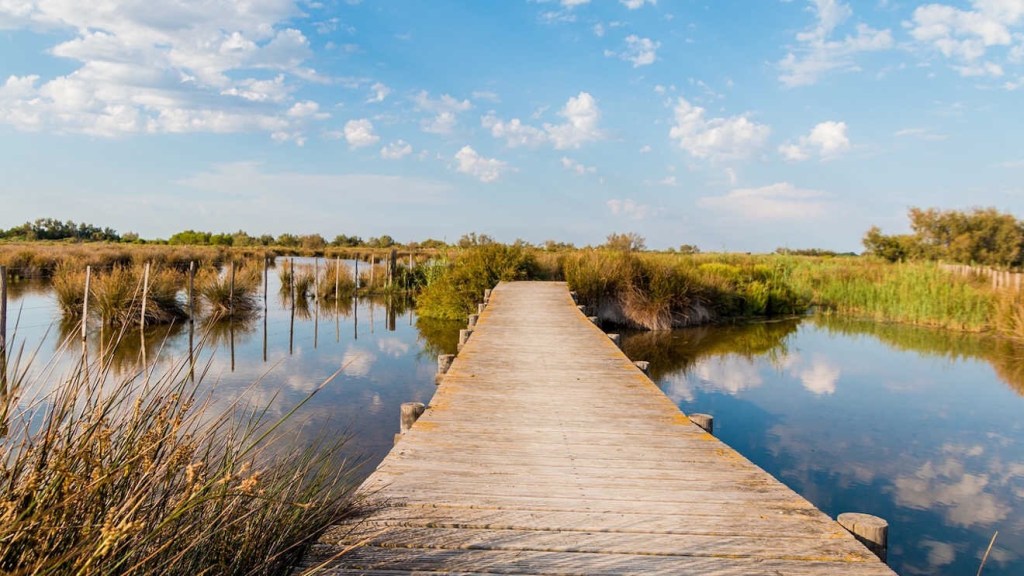
One thing I really love about being on a bus tour is that someone has planned out all sorts of random stops I would never find on my own since I don’t drive in Europe. Road Scholar felt like we needed to get down to the Camargue – coastal region south of Arles – set between the Mediterranean Sea and two arms of the Rhône River:
There are over 400 species of birds here – and since I became a birder way back in Spain and never mentioned it again – I felt it was time to polish up my skills.
There are about 50,000 pink flamingos here – and I could identify them without my Merlin App because I am part-flamingo and naturally stand like them (but see below: my wings are not pink when I fly…yet…maybe when I gain some more birding experience):
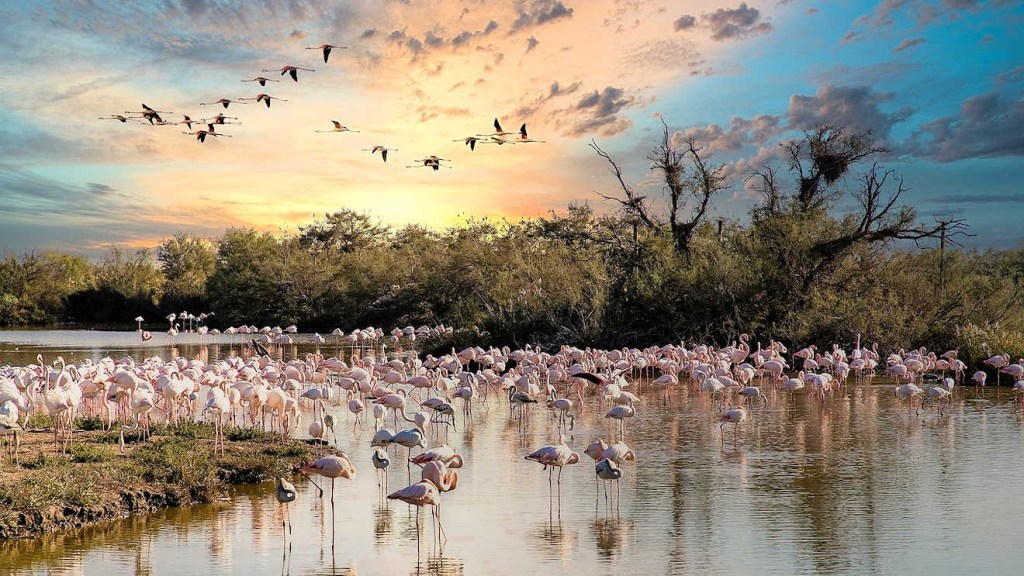
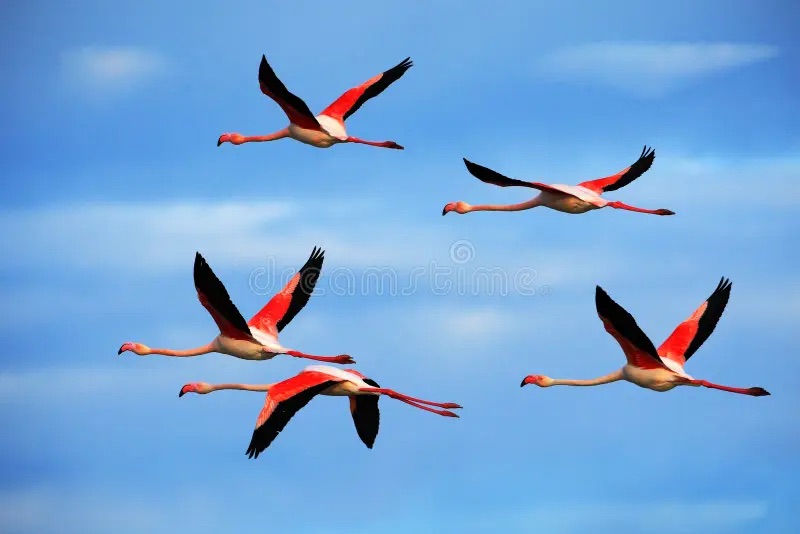
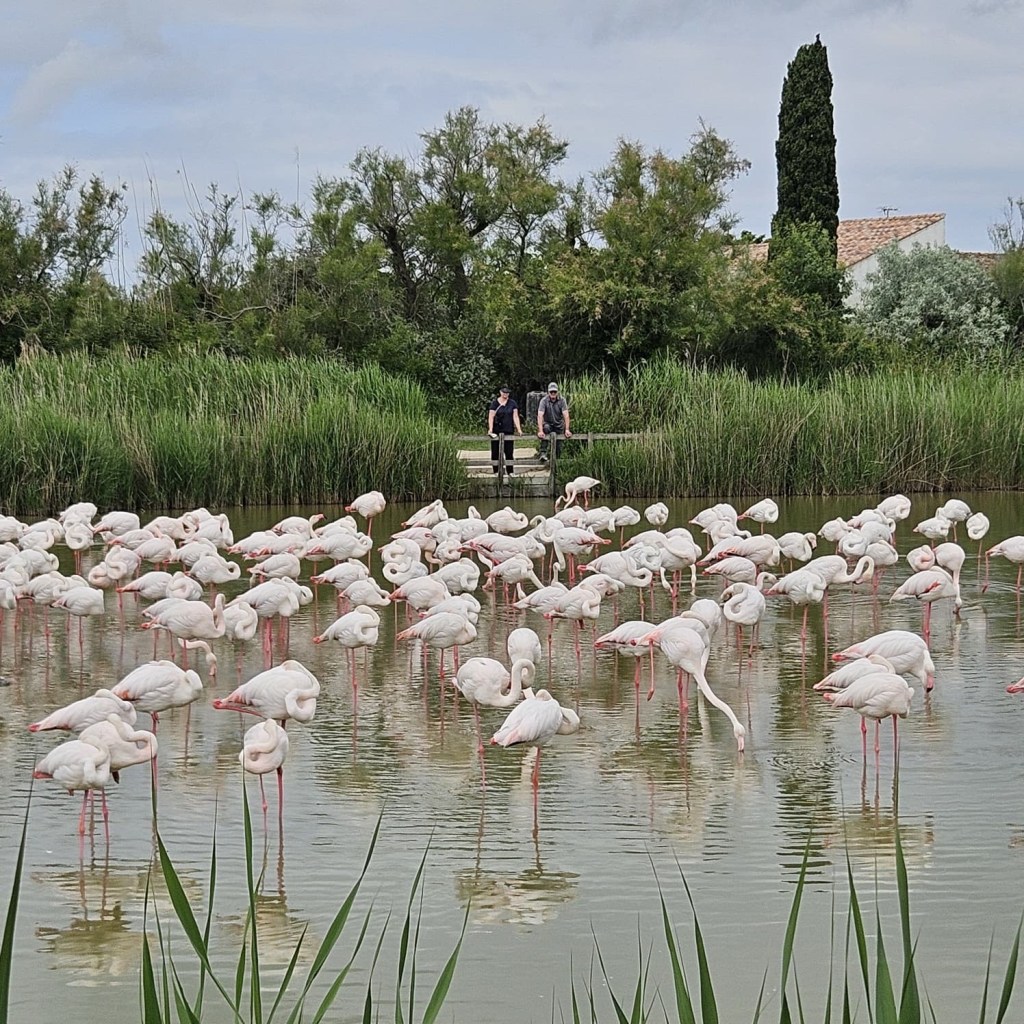
It is nearly impossible to catch a picture of them in flight – so you end up spending a lot of time standing around, which is why it’s great that the Camargue has other wildlife to help you pass the time.
One way to stay distracted while you wait is to hang out with the tiger mosquitos, smacking yourself in vain, getting bitten on each eyebrow, my cheek, and my neck in just a few seconds.

There are 3,169 different types of insects in the Camargue (French for mosquito bite, probably) area but I only saw/succumbed to this one insect. My bird count was better at 1.5 – one point for the flamingo and half credit for identifying a white bird as either a heron or a stork.
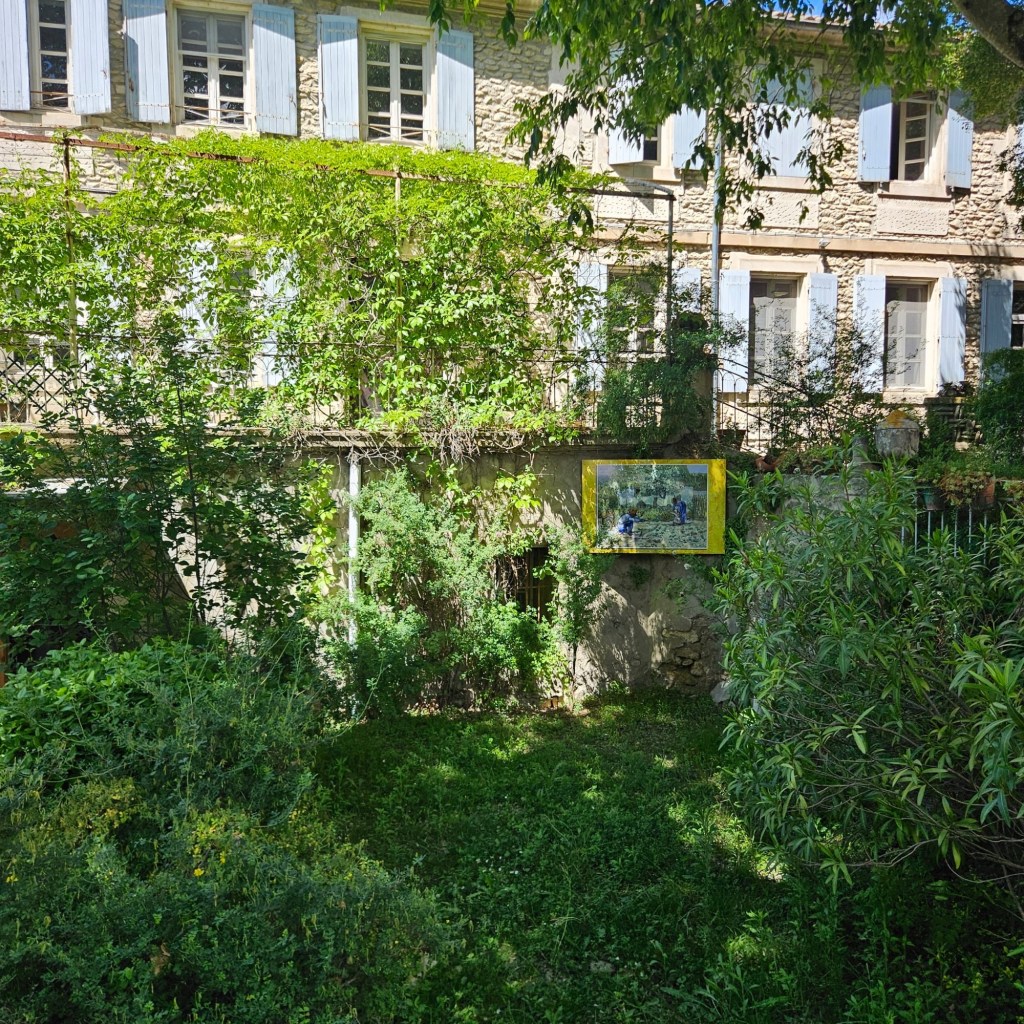
The final art concept I want to help you understand is that Vincent Van Gogh painted a lot of pictures and I like them. We went to the Saint Paul psychiatric asylum outside of Arles – where Van Gogh spent 1889 and painted over 150 pictures. The Saint Paul grounds are covered with Van Gogh replicas placed right into where Van Gogh created them:
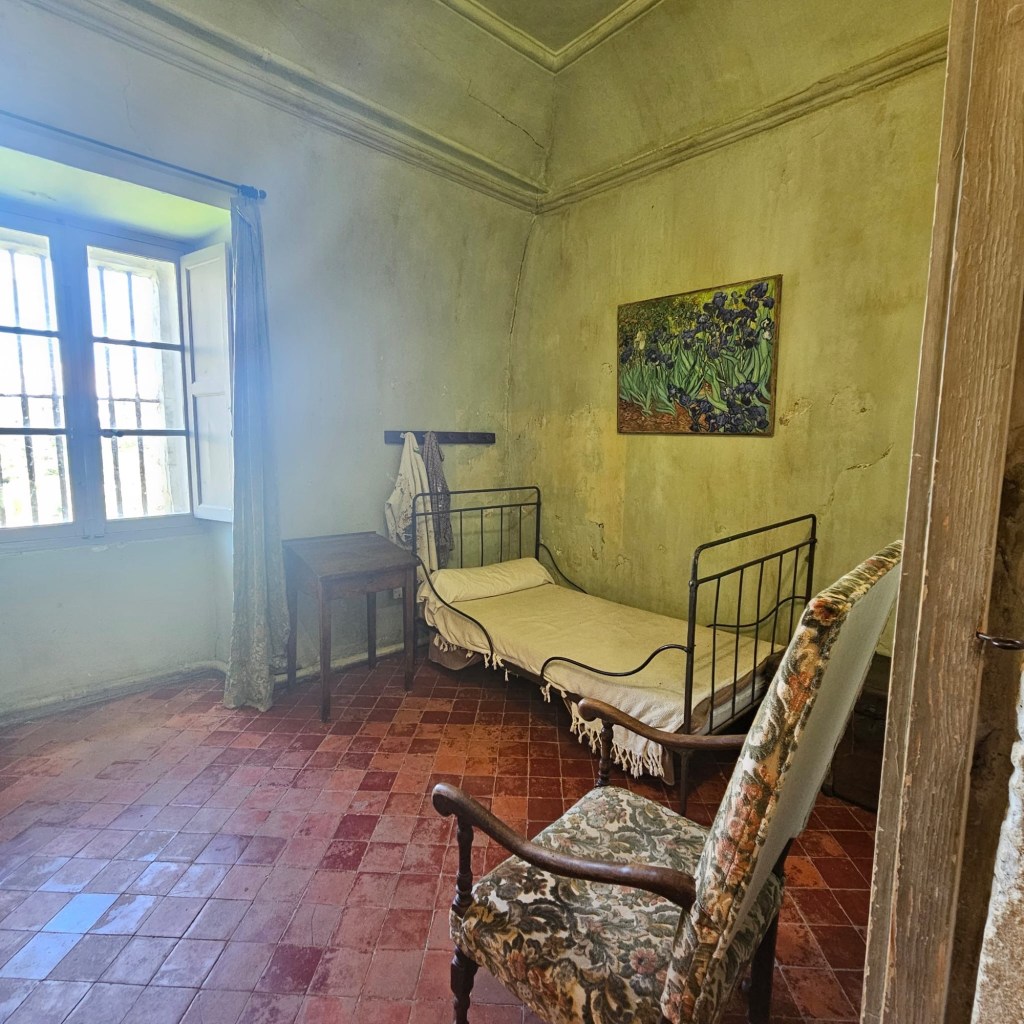
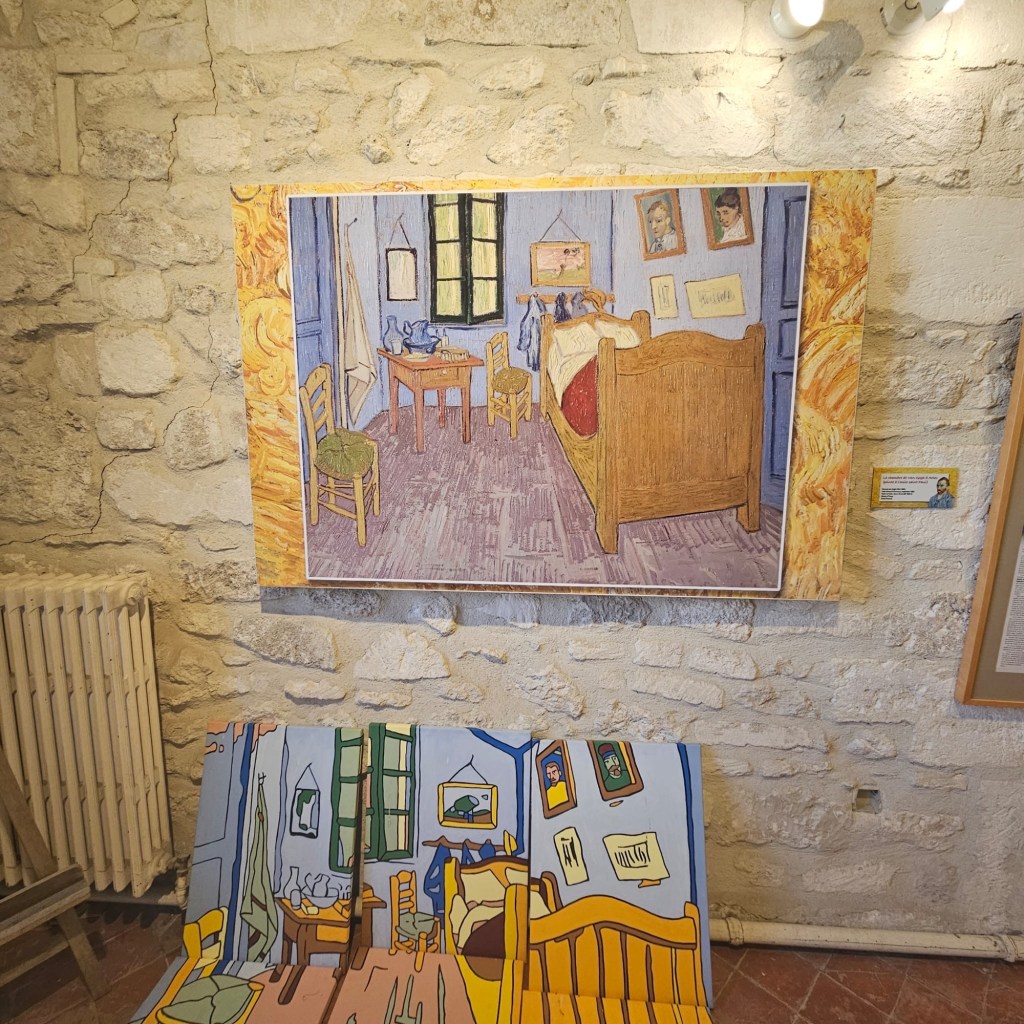
I got to stand in Van Gogh’s room at Saint Paul and then look up at this rendering of it:
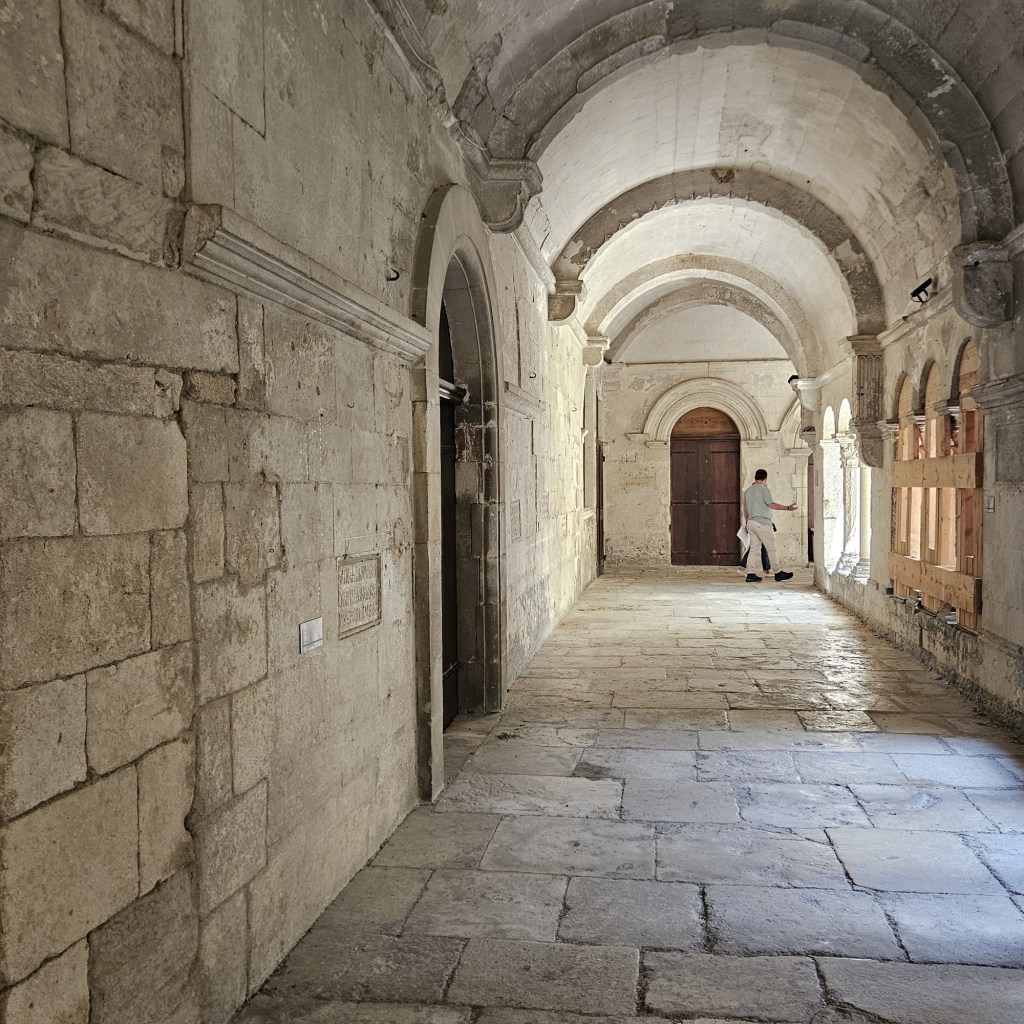
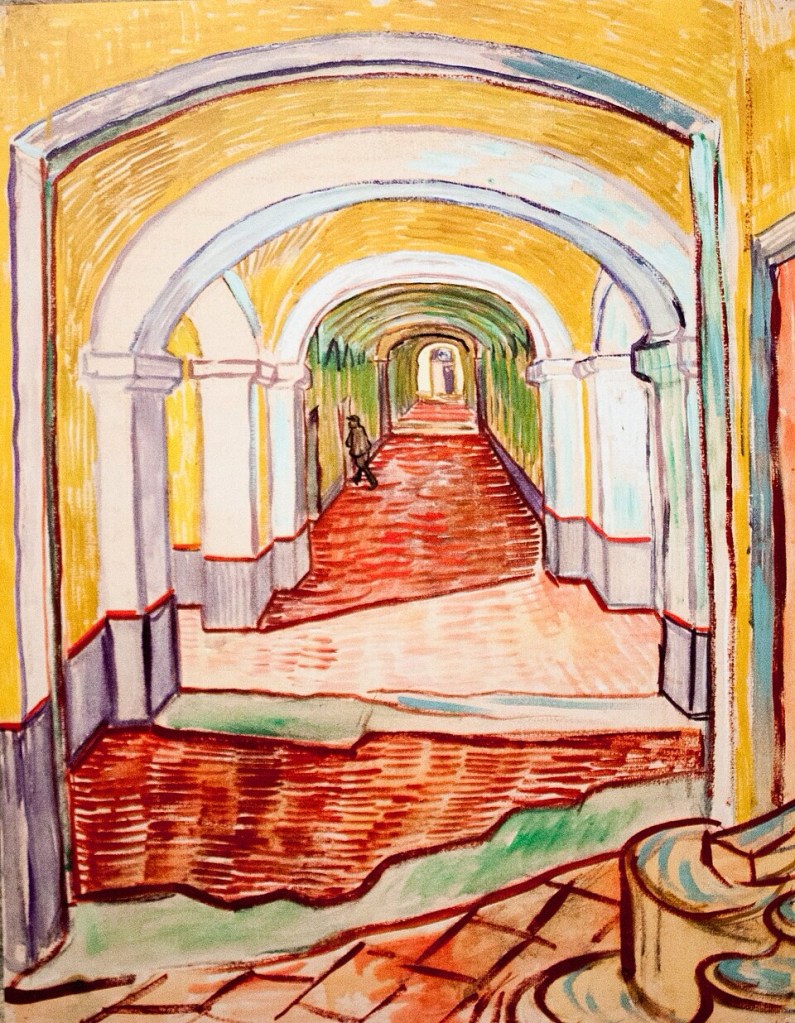
Look at my picture of the corridor and then Van Gogh’s 1889 Corridor of the Saint Paul Asylum in Saint-Remy:
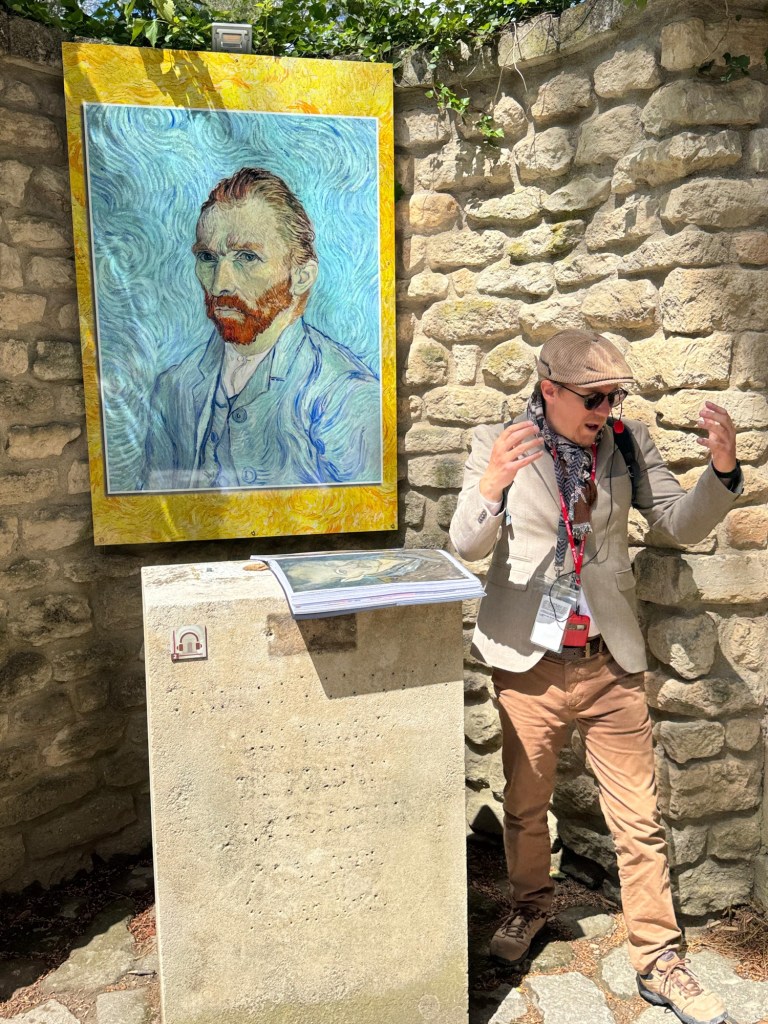
Road Scholar brought in a guide named Johnathon for our Van Gogh touring day – and Johnathon LOVED Van Gogh. He really helped me understand the depression issues, the isolation, and some interpretation keys. It was very important to Johnathon that we love Van Gogh as much as he does. His tour guiding was extremely emotional…filled with pauses for effect, songs, and large amounts of gesticulation. He finished his touring day with us by playing Don McLean’s Vincent, and it was clear to all of us 22 Road Scholars that we were not to say a word during the song.
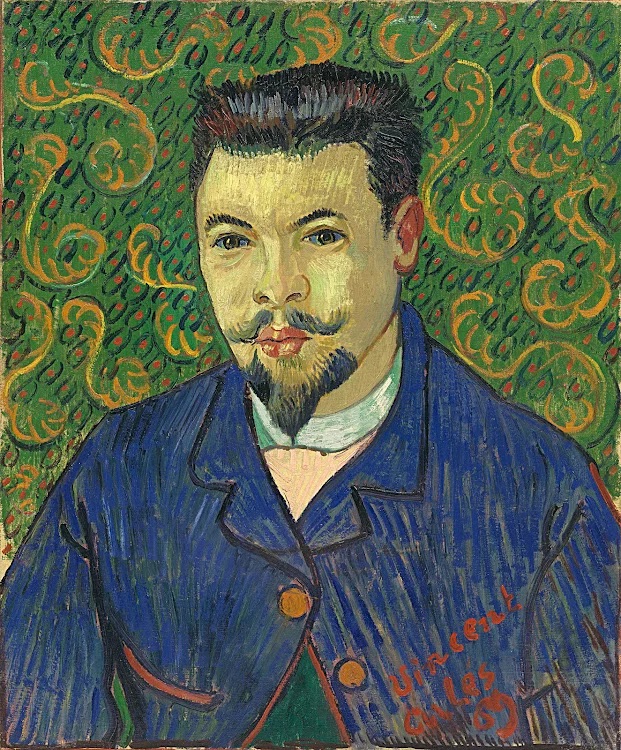
I learned that Van Gogh painted in blue and yellow when he liked something but green when he did not. So this is his doctor at Saint Paul – whom he liked – and then the green wall behind, showing that he didn’t like Saint Paul asylum itself: (Portrait Van Felix Ray – 1889)
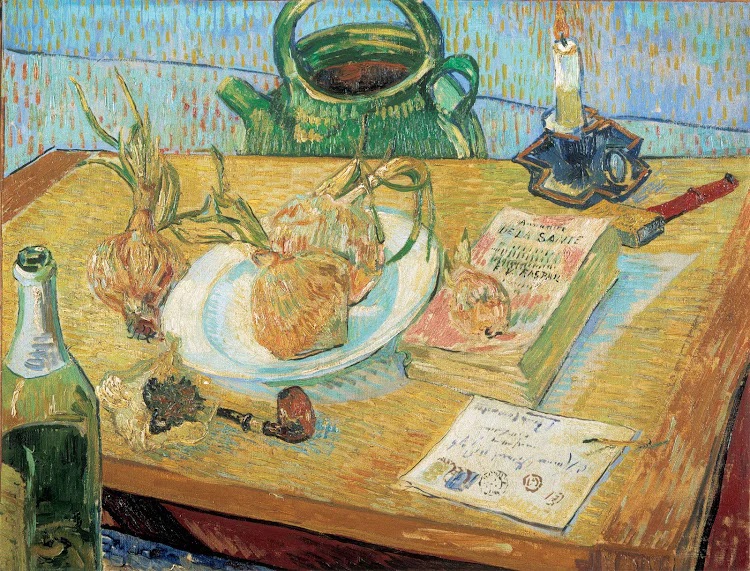
This is Still Life with a Plate of Onions from 1889 – just like Cezanne, he apparently didn’t do still life with corn:
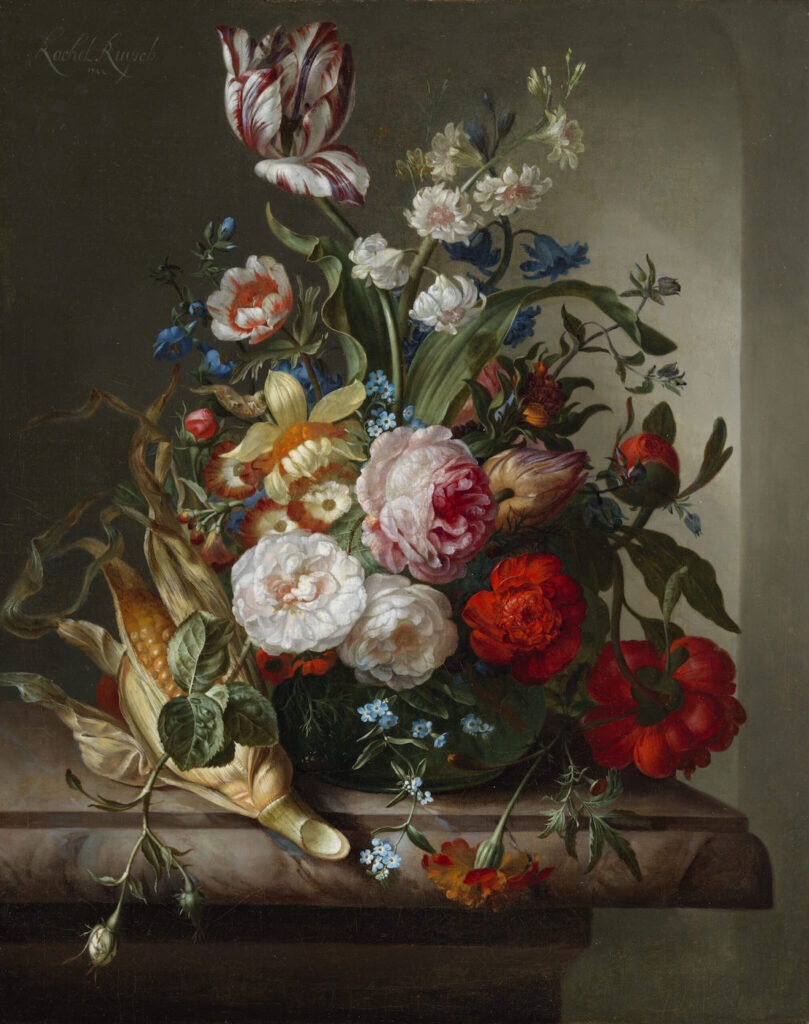
This made me wonder if anyone at all was willing to do corn portraiture and I found this, Vase of Flowers with an Ear of Corn from 1742, by Rachel Ruysch, currently on display at the National Gallery of Ireland:
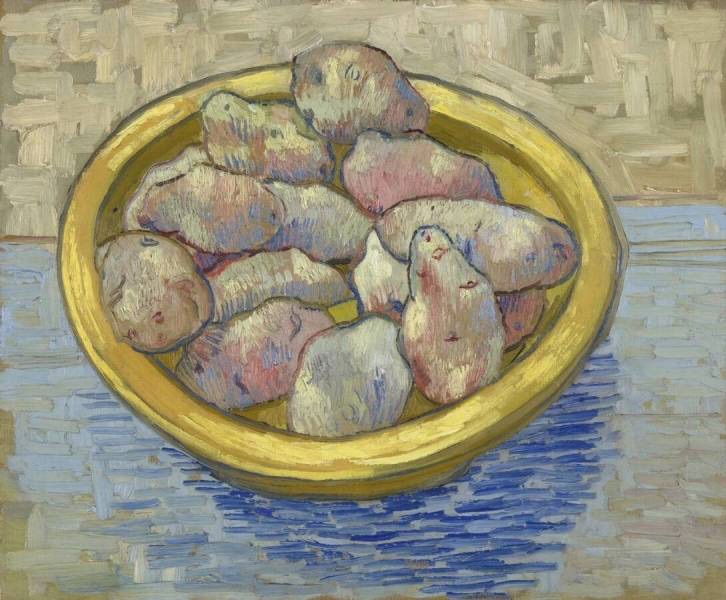
The Ireland angle made me wonder if there was a Still Life with Potatoes, which, it turns out, is a Van Gogh piece, even though he was Dutch – just further underscoring the multi-layered and circular nuance of the art world.
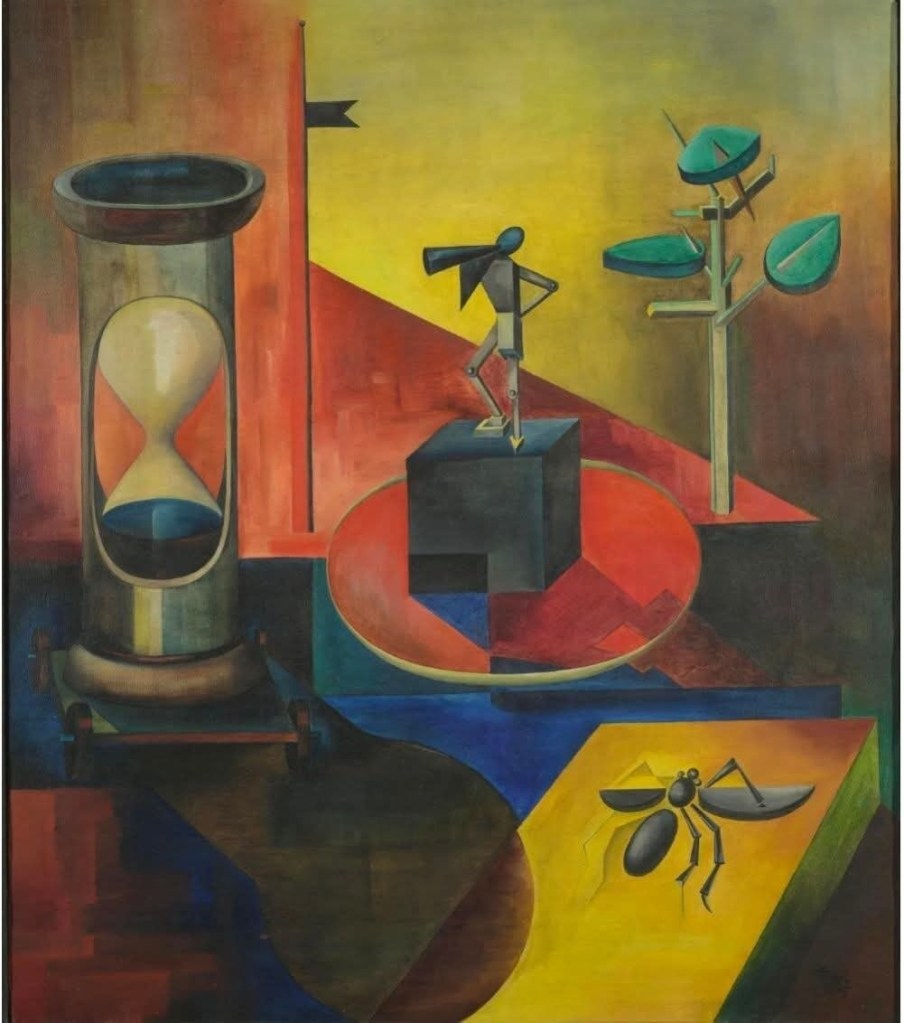
What about mosquitos then? Is there an art connection there as well? How about The Mosquito is Dead, from 1922 – an oil painting from German artist Hannah Hoch, which I guess is a kind of a “still” life since the mosquito has been flattened and won’t be moving:
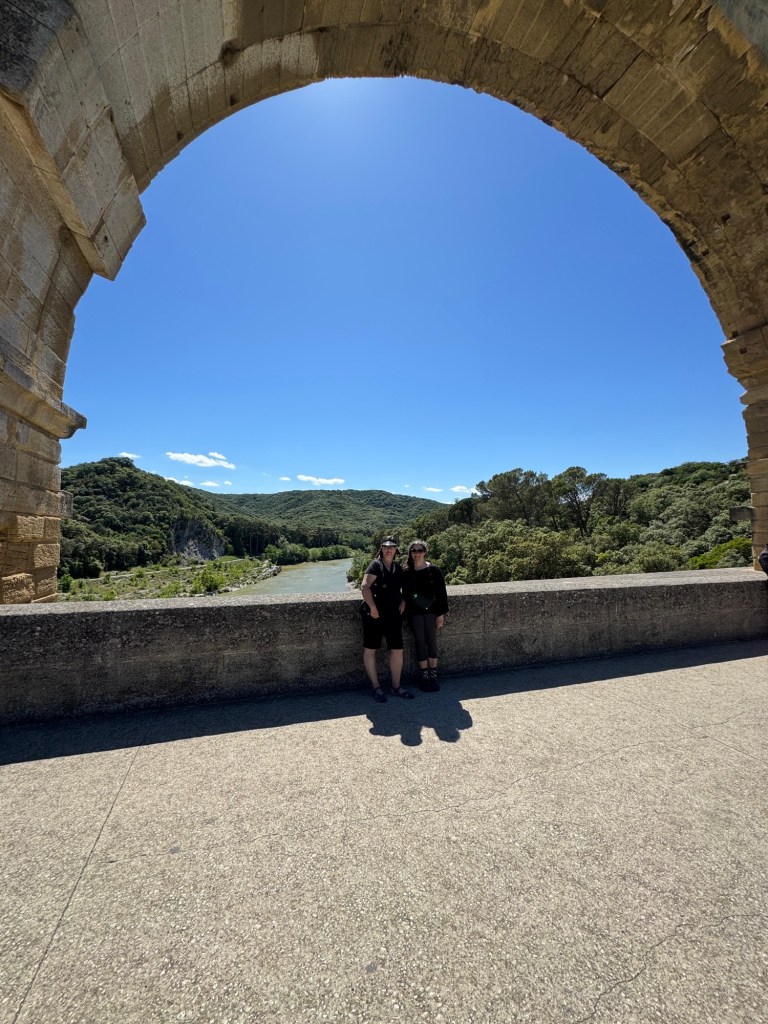
Tomorrow I head north to Paris for a couple of days before I fly home, so this will be the final post. I’ve learned a lot, been sad, and remembered to enjoy myself. Ron is in my heart, in my memories, in my Samsung photo app…sometimes this feels like enough and sometimes I feel so dejected that I can share the sad feeling with you but the depth and loneliness of it stays private in my mind. Some things are too much to say out loud.
For me, this 7 week journey was the right call. I’ve made some friends and truly have gained some knowledge. And I guessed right – I can travel the world alone, even if I don’t always want to.
I’ll be back with you in August when I head to England…and then right back into France.
 Travels with Valerie
I GASPED AT YOUR NEW ROOM!!! (and watched the video lol) and then immediately scrolled down to comment as much. Back up again now to keep reading (YAY for pleading your case!!!!!)
LikeLike
I have spent HOURS on that little balcony, staring at the Amphitheatre.
LikeLike
“way back in Madrid…sometime in April” LOL but also YAY (again) for your life’s greatest art moment! (I’m apparently live commenting)
LikeLiked by 1 person
“My bird count was better at 1.5” <— you truly now must watch the Listers doc on YouTube
LikeLike
I appreciate that Johnathan’s emotional enthusiasm and gesticulation are captured in your photo of him (though I’m suspecting that did not actually require much in the way of any photographic skill)
LikeLike
I looked at it and plan to go back to it when I’m home:)
LikeLike
“I’ve learned a lot, been sad, and remembered to enjoy myself. Ron is in my heart, in my memories, in my Samsung photo app…sometimes this feels like enough and sometimes I feel so dejected that I can share the sad feeling with you but the depth and loneliness of it stays private in my mind. Some things are too much to say out loud.”
Thank you for sharing everything that you did with us, and well done for honoring your limits with sharing, too.
What’s the next England + France itinerary?
LikeLike
Thank you:) England and France is this: 5 days in London on my own with a couple of day trips to see buildings I am interested in and then TWO tours! A northern France with some Normandy and then a Road Scholar southwest France tour that Ron and I did a few years ago that I loved so much I am repeating!!!!!!
LikeLike
Wow wow, Val. This blog is fantastic, you’ve captured humor, info, fun, sadness, joy, history, beauty, etc. You are a wonder.
LikeLike
Thank you:) It’s always good to get that last post up and be done! As I look back at the posts, it’s funny to realize I would have forgotten TONS of what I did, but for the written record. It was a great trip and I’m glad I did it – right call for me:)
LikeLike
Well if it makes you feel any better, I think you know more about art than I do! But hey, I like Vincent’s paintings too!
LikeLike
Hey…do you want to meet in Paris someday and get soaking wet in a hailstorm;)
LikeLike